
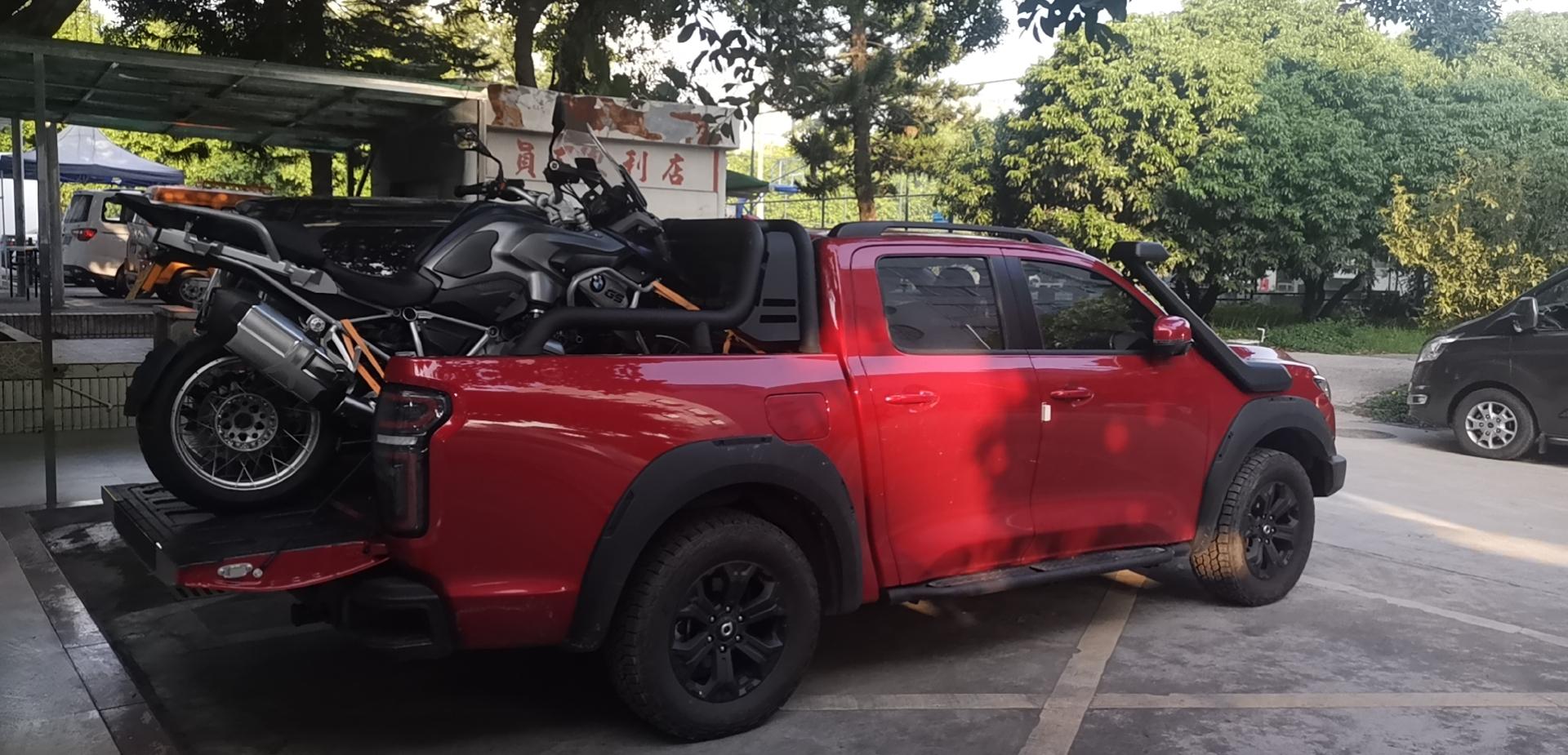
Shipping a motorcycle from the US to Canada works best when the same shipment brief contains the bike's VIN and configuration, reason for entry, U.S. pickup, border process and Canadian destination. Confirm the applicable U.S. export and Canadian import steps before dispatch, especially for a modified bike.
Build one USA-to-Canada motorcycle brief for both border and carrier
-
Bike identity
Record VIN, year, make, model and modifications; do not rely on a generic model description when checking eligibility.
-
Border responsibility
Name who handles origin-side reporting, Canadian entry paperwork and any broker interaction.
-
Delivery scope
State whether the quote includes final Canadian delivery and whether the receiver can legally and practically take the motorcycle onward.
Make the Canadian destination useful even if the motorcycle cannot yet be ridden
Choose a delivery point that can hold the motorcycle while any remaining inspection, registration or insurance work is completed. If the owner is not yet in Canada, authorize a receiver who can inspect the bike and store the keys securely. General handling choices can be compared through the motorcycle transport hub, but the cross-border entry sequence remains specific to this shipment. A practical destination removes pressure to treat customs release as an instruction to ride immediately.
Turn this plan into comparable transport options
Use the actual vehicle, pickup and delivery details, timing and handling needs so every quote starts from the same scope.
If the owner plans to meet the motorcycle immediately after crossing, keep travel flexible until Canadian release is confirmed. A customs or document delay can move the handoff even when the road carrier is otherwise on schedule. A backup receiver or secure destination prevents the bike from being stranded simply because the rider's flight, hotel or work schedule cannot move with the border process.
Keep the border and delivery phone chain simple: one person should be reachable for document questions and one receiver should be reachable for the final handoff. If those are different people, both should have the booking reference and know when to involve the other. This avoids a carrier calling an uninformed receiver about customs paperwork or an importer being asked to solve a parking problem at the Canadian address.
Identify the bike and the reason for entry
Supply the VIN, title, make, model and any modifications, along with whether the motorcycle is being permanently imported or temporarily entering Canada. A booking for transportation is not a ruling on admissibility. Resolve that question before authorizing collection.
A modified bike needs specific attention
CBSA’s vehicle-import memorandum distinguishes regulated vehicle classes and special-purpose situations. Do not assume a road motorcycle becomes exempt because it has racing equipment, or that a trike conversion is treated like the original motorcycle. Give Transport Canada or the responsible import adviser the actual configuration.
CBSA reference
Coordinate the two border processes
Ask who submits US export documentation and who presents the Canadian import information. Confirm the intended crossing, documentary lead time and release procedure before setting the pickup date. Keep ownership documents separate from the carrier’s condition report; each serves a different purpose.
CBP reference
Specify the journey after clearance
- State whether the destination is a terminal, dealer or private address.
- Describe loading needs if the motorcycle cannot roll or steer.
- Confirm acceptance of luggage, sidecar or removed parts.
- Arrange a receiver able to inspect against pickup photographs.
Have quotes distinguish carriage, customs-related services, applicable taxes and any required post-entry work. Ask what happens to the motorcycle if clearance is delayed.