
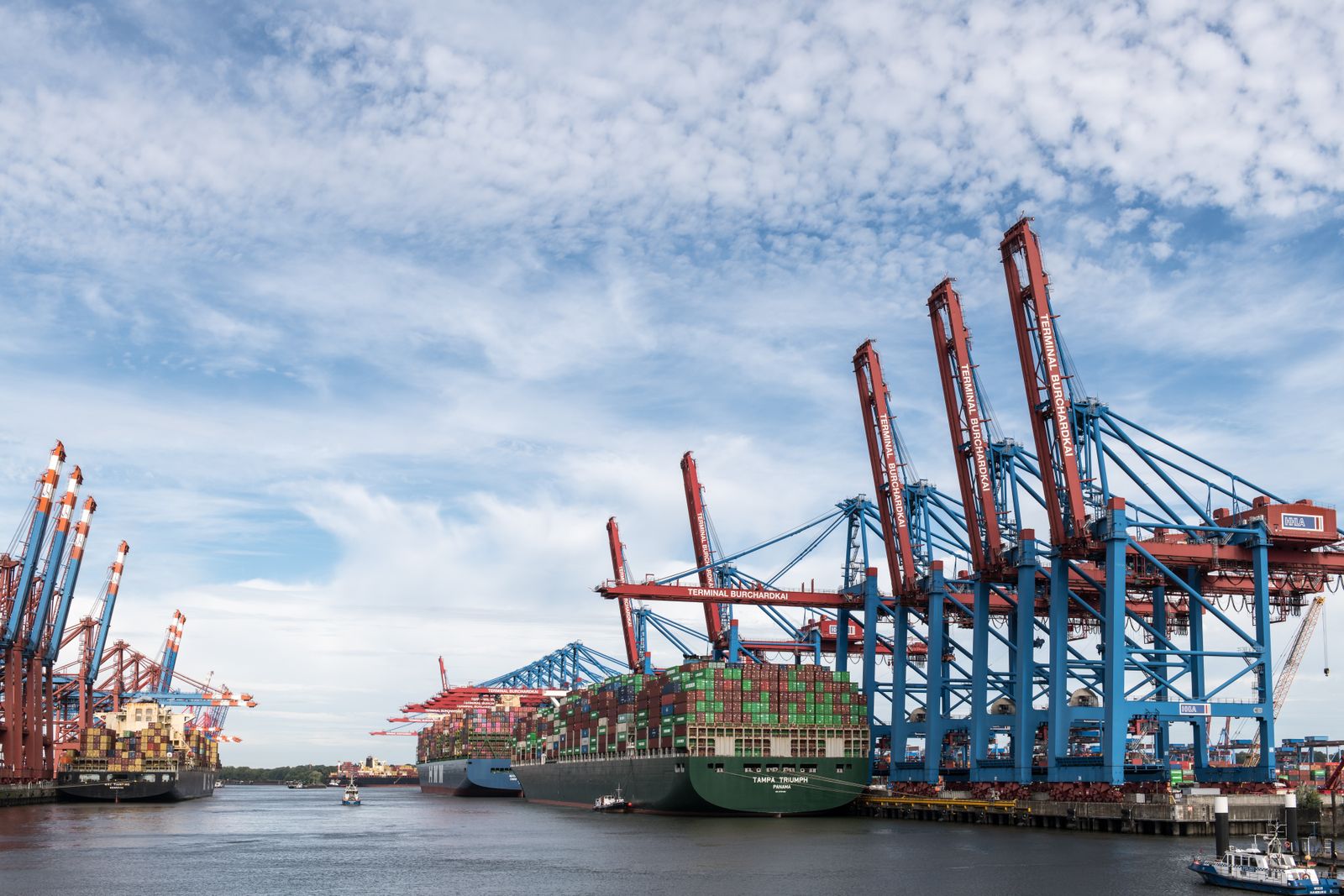
Hawaii boat transportation between islands depends on the boat's actual length, beam, height, weight, propulsion configuration and support method, plus the origin and destination islands. Confirm whether the booked freight service accepts the boat on its trailer or another support system and whether either island requires a separate road or marina handoff.
Describe the boat and support system before choosing the inter-island movement
-
Boat profile
Use actual transport dimensions, including fixed towers, antennas, engines and anything that changes height or width.
-
Support profile
Confirm trailer condition, cradle requirements and whether the freight operator or customer provides loading support.
-
Island handoff
Name both harbors or facilities and the road/marina movement needed before acceptance and after release.
Turn this plan into comparable transport options
Use the actual vehicle, pickup and delivery details, timing and handling needs so every quote starts from the same scope.
Use the boat-transport hub to frame local hauling around the inter-island leg
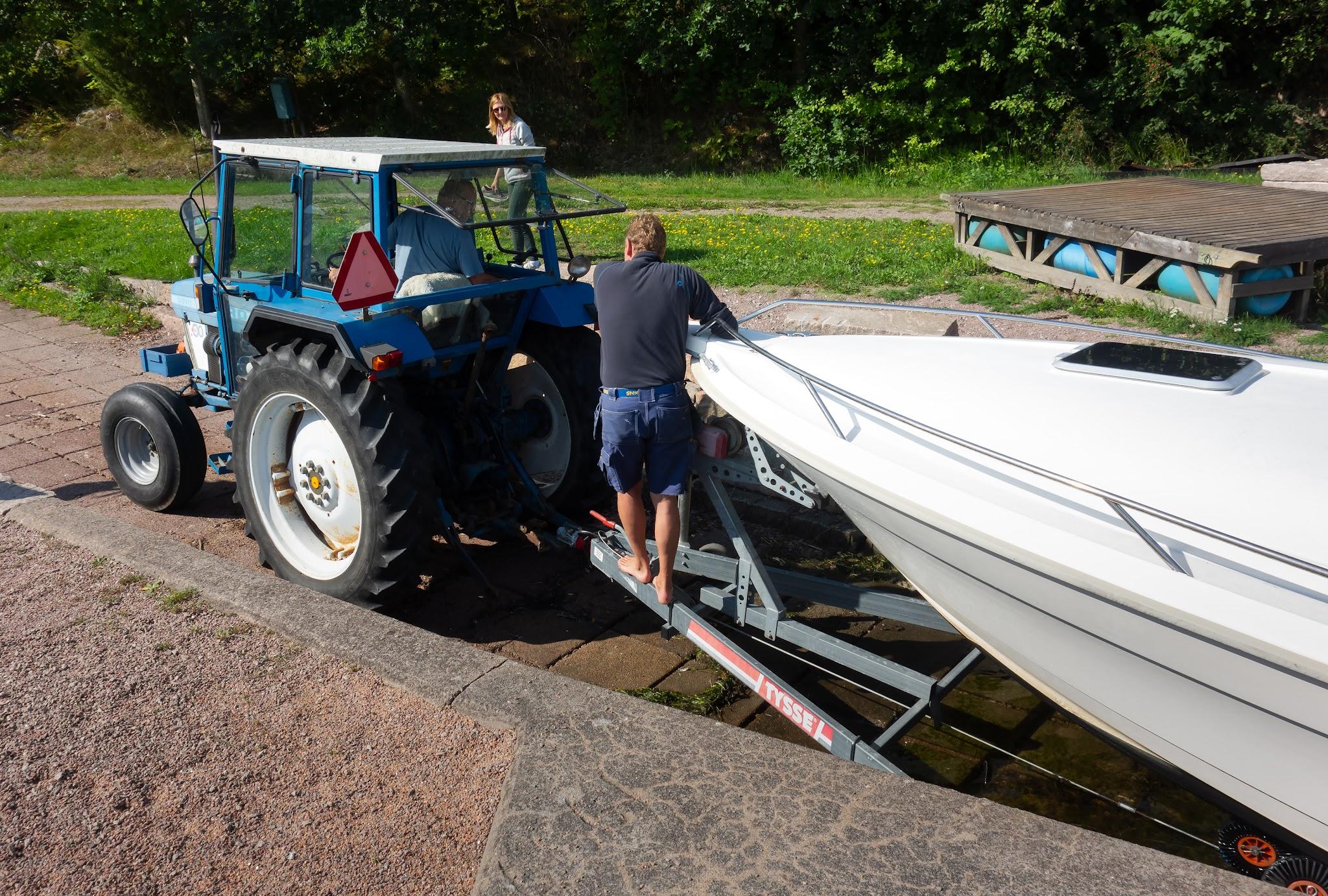
The broader boat transport hub can help with road-hauling considerations before and after the marine movement, but the inter-island booking still depends on the freight operator's own cargo rules. Give any road hauler the actual boat-and-trailer dimensions and the harbor receiving instructions. At destination, decide whether the boat goes to a marina, yard, residence or ramp and confirm that the site can receive the trailer or lifting equipment. That prevents the ocean leg from ending at a facility with no practical way to move the boat onward.
Specify the boat cargo and both islands
Name the origin island, destination island and the boat’s present location. State whether you need it hauled out of the water, delivered from a yard, or collected already on a trailer. This guide concerns freight transport of the boat; a passenger sailing is not a booking for that cargo.
Ask the cargo operator whether it accepts the boat’s proposed trailer or cradle arrangement. Young Brothers explains that cargo size and weight can determine the shipping method. Send actual transport dimensions and weight rather than relying on the boat model name alone. Freight operator cargo preparation
Check whether the route includes a transfer
Young Brothers’ FAQ describes Maui-to-Kauai cargo transshipping through Honolulu, rather than a direct neighbor-island sailing. Ask for the current route for your two islands and boat; an intermediate unloading and reloading step changes the handoff plan. Inter-island freight operator FAQ
Obtain the accepting ports, receiving cutoff and cargo-availability instructions for the actual booking. Name who monitors a connection change, arranges any storage and collects the boat after release. Do not promise a next-day delivery from a general sailing pattern.
Agree on support, handling and the final handoff
- Have the operator approve the trailer or cradle and identify who loads, secures and unloads it.
- Confirm the overall height and width with the boat mounted, any protruding equipment and the condition of the transport support.
- Ask for written fuel, battery and loose-equipment preparation requirements for this boat cargo.
- State whether final delivery ends at the destination freight terminal, a yard or an agreed launch facility; arrange any separate lifting or haulage.
Compare the full charge scope, including transfers and terminal services, and photograph the boat and support before release. Keep any general transport comparison separate from an operator’s actual inter-island acceptance; this site does not issue a Young Brothers booking.