
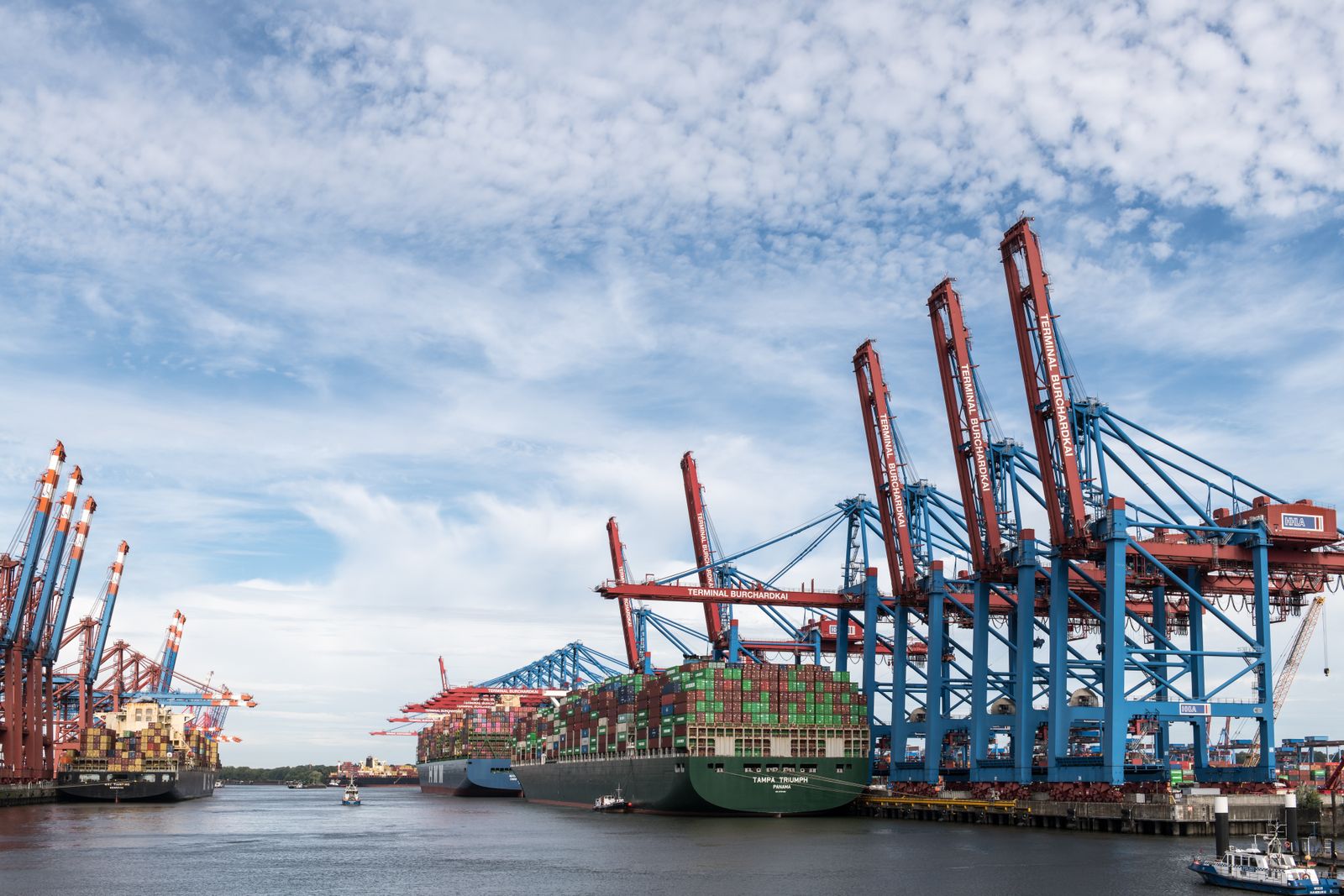
Shipping a boat to Hawaii requires the origin, destination island, actual transport dimensions, weight, support method and final handoff. Confirm whether the boat travels on its own trailer, a cradle or another support system and whether the price includes road moves before the port and after island release.
Turn a Hawaii boat quote into a complete island-delivery scope
-
Origin movement
Identify who gets the boat from marina, yard or residence to the export facility and what equipment that leg uses.
-
Ocean movement
Use the operator's actual oversize and preparation rules for the full boat/support configuration.
-
Island movement
Name the destination island and decide who collects, stores, launches or hauls the boat after release.
Use the boat-transport hub for the road legs, not as a substitute for ocean acceptance
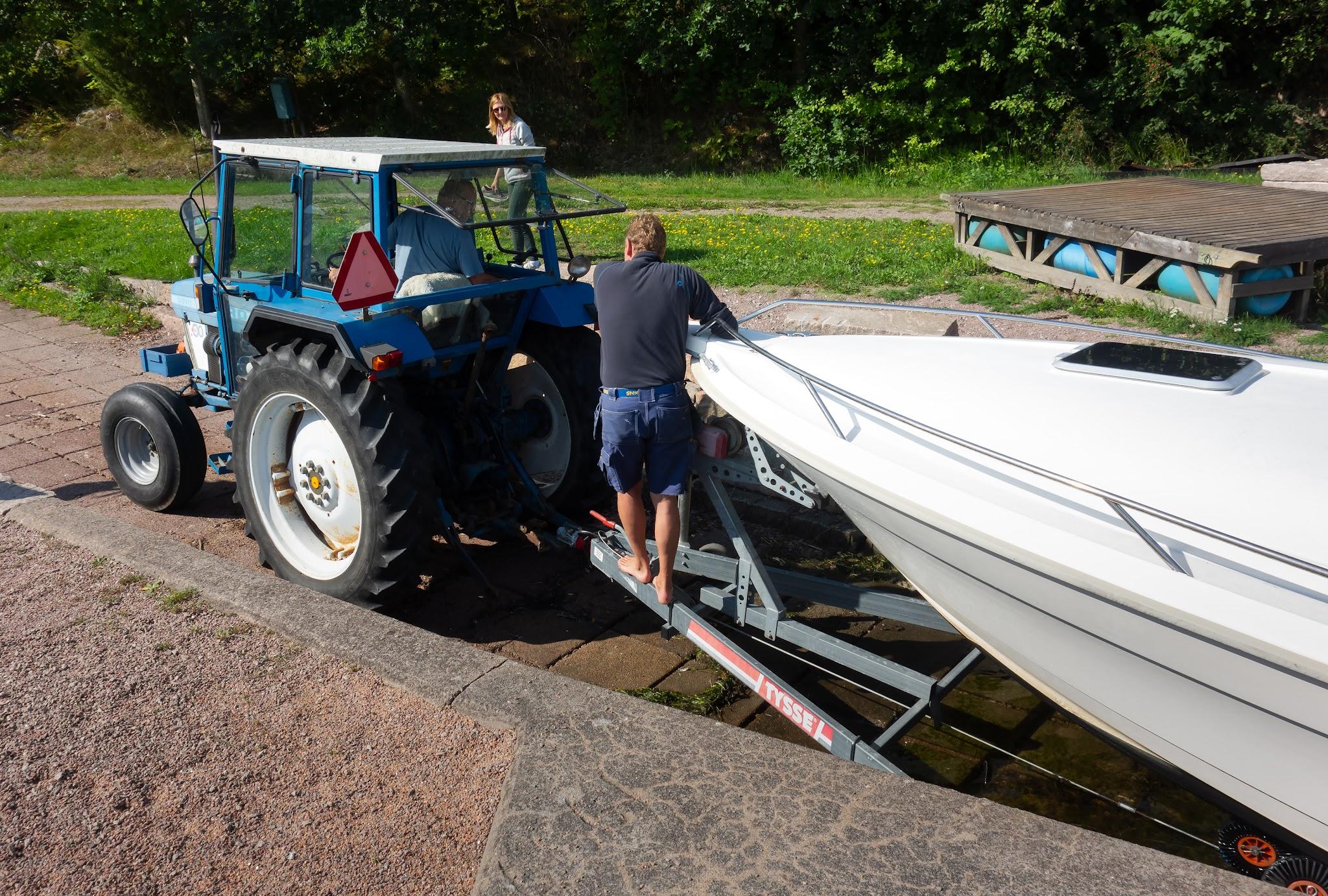
For local hauling before export or after Hawaii release, the boat transport hub can help frame equipment and access questions. The marine operator's own rules still control ocean acceptance. Give both providers the same dimensions and support configuration so the road hauler does not deliver a boat the ocean service cannot accept. If the boat requires a crane, travel lift or yard appointment at either end, schedule that interface separately from vessel arrival or highway transit estimates.
Turn this plan into comparable transport options
Use the actual vehicle, pickup and delivery details, timing and handling needs so every quote starts from the same scope.
Treat the boat as cargo and name the island
A request to ship a boat to Hawaii concerns the boat itself, not passenger ferry travel. Give the departure location, destination island and intended final handoff. A price ending at a port is not yet a plan to reach a marina, storage yard or launch site.
Matson lists boats among the freight it handles through oversized/breakbulk arrangements. That establishes a possible cargo category to discuss, not acceptance of every boat or a guaranteed service for your route. Ocean carrier oversized freight description
Describe the complete load before comparing offers
- State whether the boat travels on its own trailer, on a cradle or without either. Request written approval of the proposed support and loading arrangement.
- Provide overall transport dimensions and weight, including the trailer or cradle, projections and any equipment to be removed.
- Identify who prepares and secures the boat, who supplies lifting or towing equipment, and who can receive the same configuration on arrival.
- Ask for the operator’s instructions for fuel, batteries, loose gear and personal belongings; do not transfer car-preparation instructions to a boat without confirmation.
Photograph the hull, support points and transport equipment before custody changes. Put any dismantling and reassembly in the written scope so a lower ocean quotation does not hide unfinished work at either end.
Check the island connection and release plan
For cargo bound for Molokai or Lanai, Matson’s published oversized-cargo guidance describes carriage to Honolulu followed by onward transportation arranged by the shipper through Young Brothers. Verify the current arrangement for your boat and destination; this is a specific operator example, not a rule for all Hawaiian shipments. Ocean carrier oversized freight description
Require the quote to show every handoff, including any onward barge connection, terminal handling, storage and final haul. Name the receiving person and the documents needed to release the boat. A harbor authority’s general information does not establish a carrier’s acceptance or a launch appointment.
Keep the enquiry within its stated scope
Before paying, reconcile the boat configuration, island, handling method, included charges and damage-report procedure across the offers. Any generic comparison on this site is separate from the cited ocean operators; it does not confirm an ocean booking or an onward island leg.