
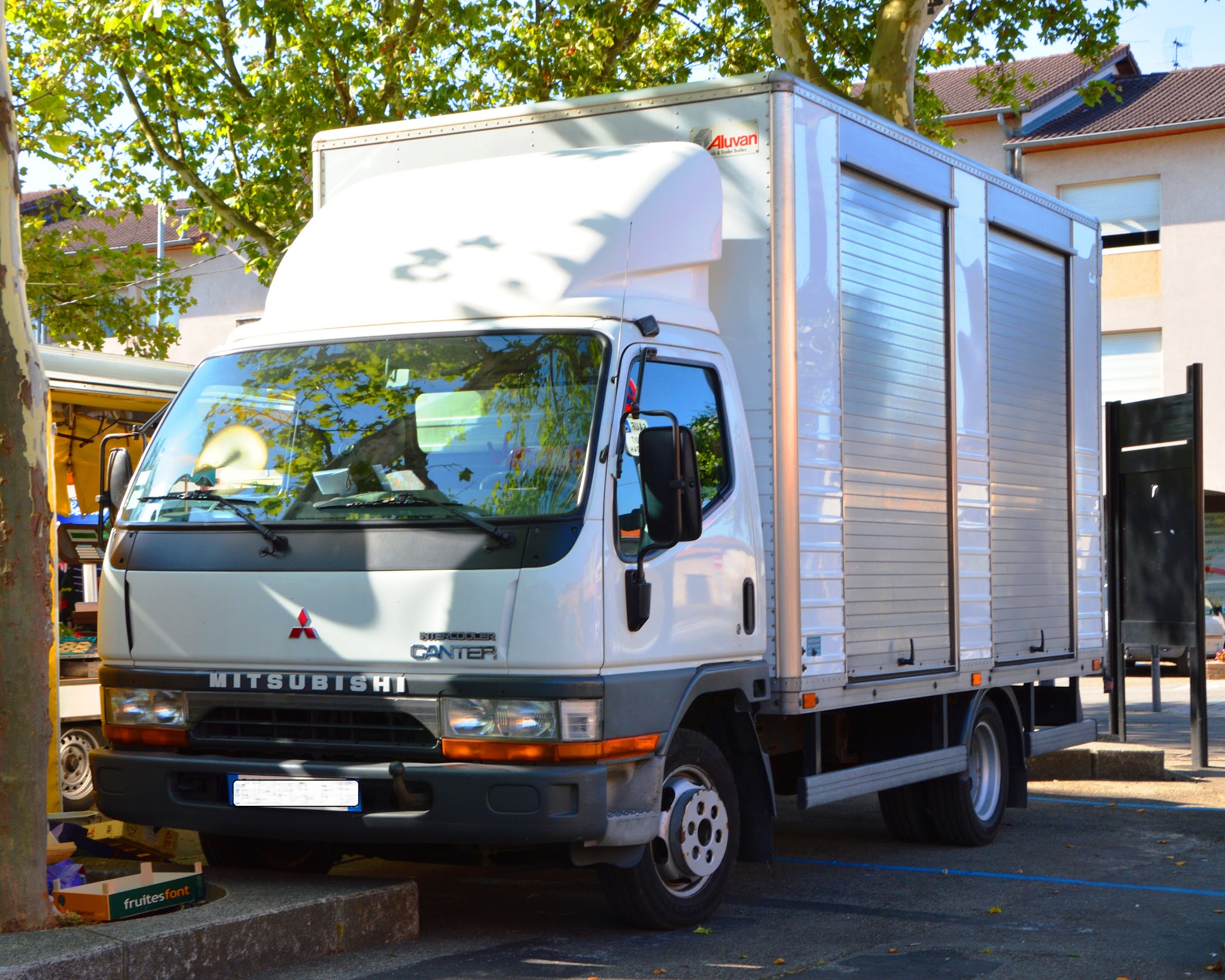
Shipping a truck across country requires more than origin and destination. Provide the truck's make/model, running condition, length, width, height, weight and attached equipment so the provider can determine whether standard vehicle transport, a flatbed/step-deck or heavier specialized equipment is appropriate. Quote comparisons should use the same truck configuration.
Match the truck's size and condition to the actual transport equipment
-
Standard-size truck
If dimensions and weight fit ordinary vehicle equipment, confirm loading clearances and securement points rather than assuming fit from the word truck.
-
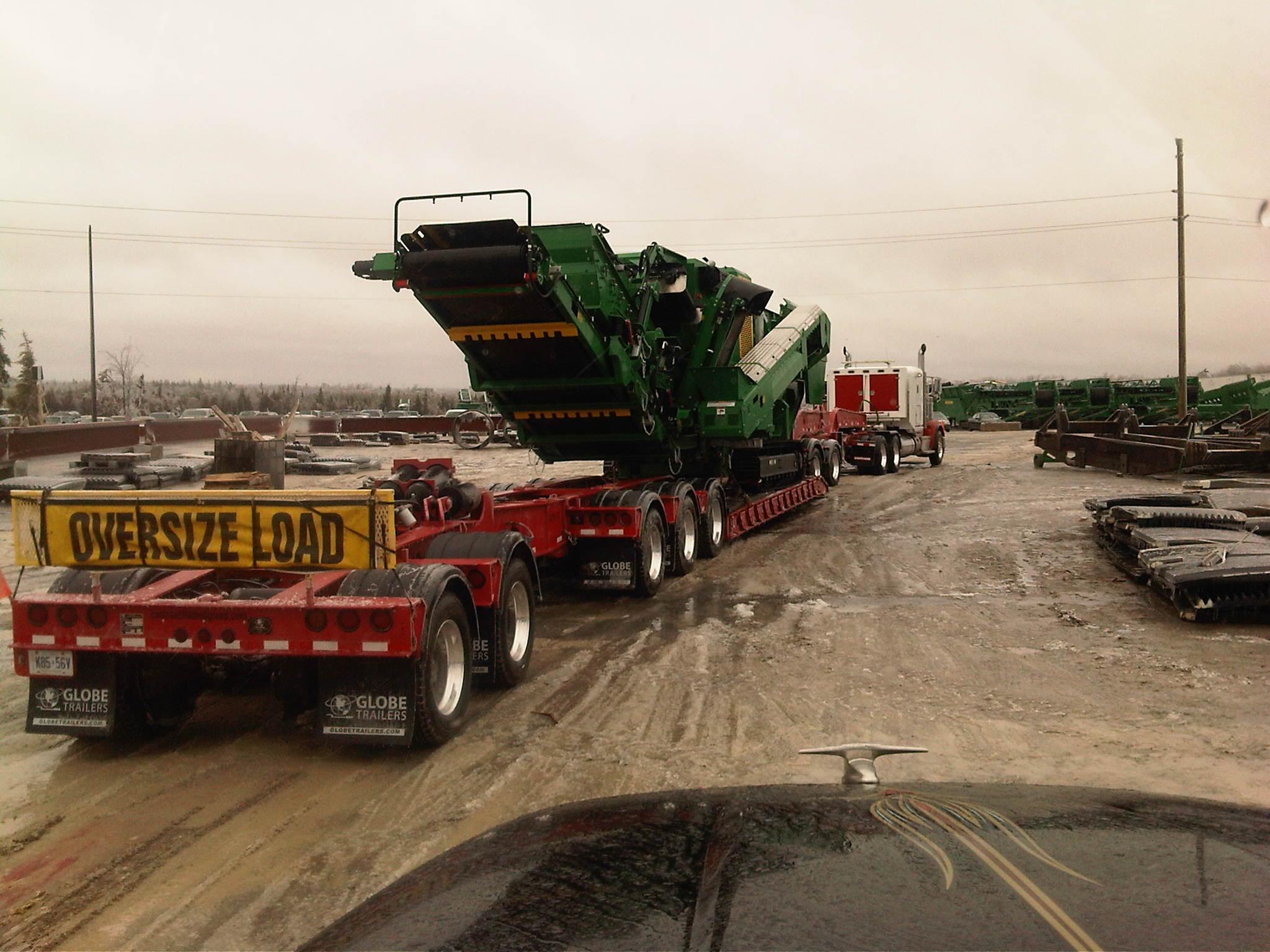
Oversize or heavy truck
Actual dimensions and weight may drive equipment choice, routing or permit needs; provide measurements before dispatch.
-
Nonrunning truck
Steering, braking and rolling condition determine whether winching or other loading assistance can be used safely.
Turn this plan into comparable transport options
Use the actual vehicle, pickup and delivery details, timing and handling needs so every quote starts from the same scope.
Choose a related service only after classifying what kind of truck is being moved
A pickup-sized vehicle may fit the questions covered in the pickup truck delivery guide, while a box truck, tractor or heavier vocational truck can require very different equipment. Do not select a service category from the word truck alone. Use the actual dimensions, weight, axle configuration and attached equipment to determine which providers can handle the load. Ask whether the carrier will drive, tow or carry the truck and what mechanical condition it expects at pickup.
At both endpoints, verify there is room for the transport equipment to line up and unload. A disabled heavy truck can require more space and recovery capability than a running pickup. If the destination is a repair shop or fleet yard, confirm receiving hours and whether staff can assist. Keep the delivery condition record before repairs begin so preexisting mechanical work does not obscure a transport-related condition question.
If the truck contains tools, cargo or removable equipment, ask whether those items may remain and how they affect declared weight. A transport quote for the vehicle itself should not silently become a freight shipment for unsecured contents.
Specify the truck before choosing the service
Send the make, model, actual configuration, dimensions, weight information and operability. State whether you require carriage on transport equipment or would consider driven delivery. “Across country” does not identify the endpoints; both addresses and the date window are still needed.
What changes with the movement?
| Option to confirm | Questions |
|---|---|
| Carried truck | Loaded height, loading method and securement? |
| Driven delivery | Driver, mileage, fuel, roadworthiness and breakdown responsibility? |
Option to confirm: Carried truck
Questions: Loaded height, loading method and securement?
Option to confirm: Driven delivery
Questions: Driver, mileage, fuel, roadworthiness and breakdown responsibility?
Declare equipment attached to the truck
Include service bodies, racks, cranes, plows or other equipment in the description. Ask whether any item must be removed and who does that work. FMCSA has specific securement provisions for heavy vehicles and equipment; the carrier must evaluate the actual load rather than rely on a passenger-car assumption.
FMCSA reference
Compare more than the cross-country rate
- Pickup and final delivery locations accepted by the operator.
- Who loads, unloads or releases the keys.
- Permit and escort responsibility if the proposed movement requires them.
- Insurance scope, condition documentation and claims contact.
- Waiting, cancellation and failed-pickup charges.
Ask for an arrival window tied to the actual booking. A national service claim does not establish capacity for your truck or deadline.