
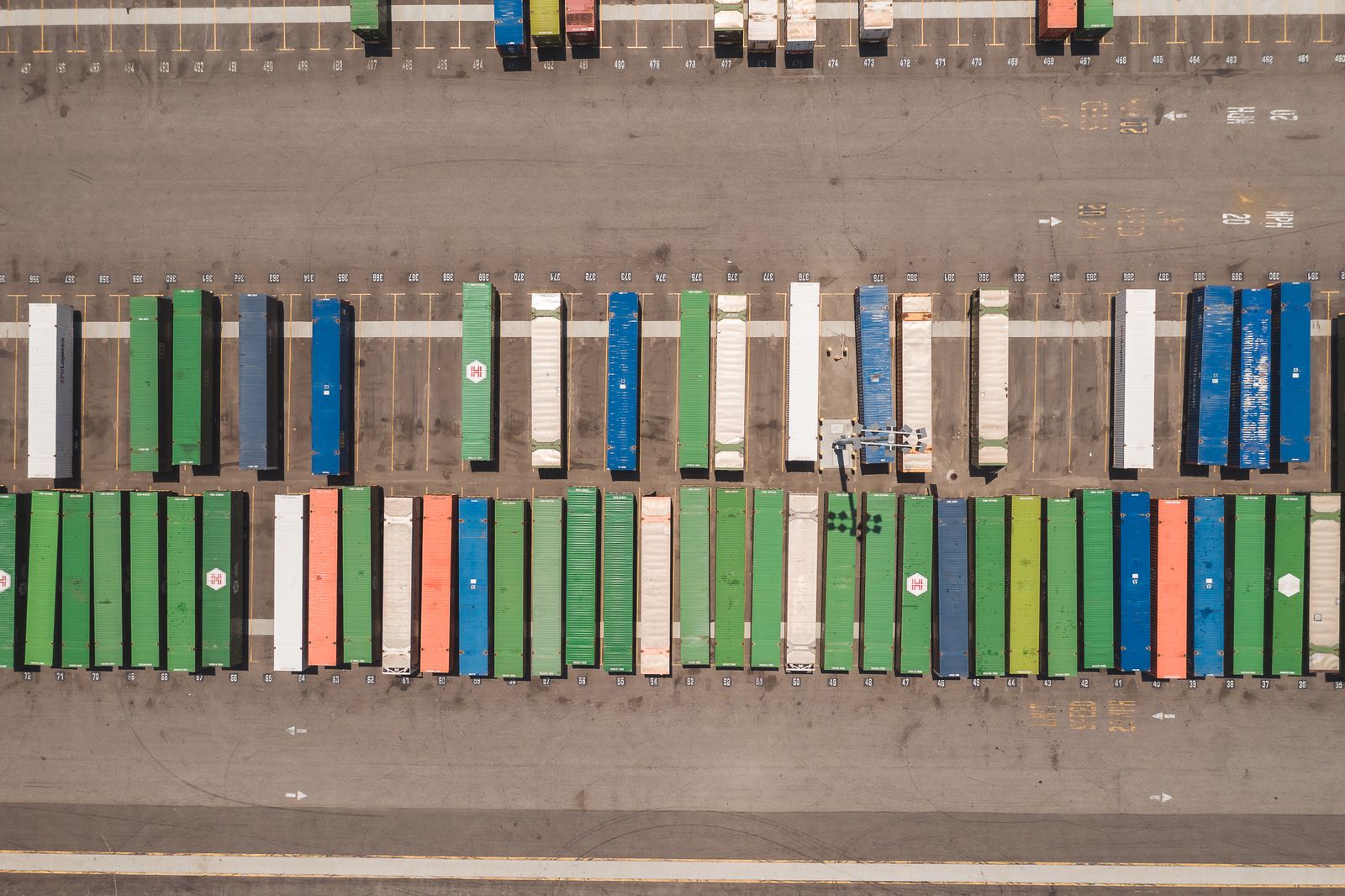
Car shipping quotes to Hawaii should expose the ocean-terminal scope before the totals are compared.
Hawaii necessarily introduces a commercial harbor or ocean-cargo handoff, but the quote still must name the provider’s actual acceptance point, Hawaii terminal, vehicle condition and any onward delivery responsibility.
Compare terminal scope first
Put those boundaries in writing before using total price as the comparison.
Hawaii has multiple state commercial harbors
Hawaii DOT operates a statewide commercial harbor system across multiple islands. That makes the booked island/terminal a material quote input; the state harbor list does not guarantee that a particular carrier accepts vehicles at every harbor.
Keep carrier acceptance provider-specific
Follow the booked company’s written vehicle preparation, acceptance and pickup rules. Do not copy preparation details from another carrier merely because both serve Hawaii.
Start every Hawaii quote with the same island and terminal scope
State which island and carrier-approved terminal you intend to use and whether the quote begins at a mainland terminal, includes pickup from a mainland address, or includes another inland leg. On the Hawaii side, clarify whether the price ends at terminal release or includes onward transport. A terminal-to-terminal ocean amount and a door-to-terminal arrangement are different products even when both are described as “shipping to Hawaii.”
The vehicle-to-Hawaii planning guide can help organize the route and handoffs before you compare prices.
Make the vehicle acceptable to the ocean carrier, not just to the inland transporter
Provide year, make, model, dimensions where relevant, operability, fuel or battery status as required by the carrier, and any modification that changes clearance or size. Ask for the ocean carrier’s current vehicle-preparation and prohibited-item rules. Do not rely on a domestic auto transporter’s normal policy for personal belongings or fuel if the ocean carrier has a different acceptance standard.
Keep ownership and identity documents ready for the terminal process, and confirm who must be named on the shipment and who is authorized to collect the vehicle in Hawaii. A booking can be priced correctly yet still stall if the release documentation does not match the parties who appear at the terminal.
Separate the quote into ocean, inland and conditional costs
Record mainland pickup if any, terminal handling, ocean carriage, documentation, destination handling, storage exposure and Hawaii-side delivery if requested. Ask when storage or rebooking costs can arise and what happens if the vehicle is rejected at terminal inspection or arrives after a cutoff.
If you are comparing a published rate with a brokered door-to-port offer, normalize the scope before deciding which is cheaper. The ocean line may publish a terminal rate while a transport company adds the domestic leg and coordination. The lower headline is not necessarily the lower completed journey.
Turn this plan into comparable transport options
Use the actual vehicle, pickup and delivery details, timing and handling needs so every quote starts from the same scope.
Use the commercial-harbor context carefully
Hawaii DOT’s Harbors Division confirms a statewide commercial-harbor system, but that does not mean every harbor handles every consumer vehicle service or that a quoted carrier uses every facility. Use the official context to verify the destination named in your booking, then rely on the actual ocean carrier for terminal acceptance, sailing availability and cargo rules.
For the cost side, a useful quote comparison keeps the same island, vehicle, mainland origin, service boundary and pickup window. If one variable changes, label it clearly rather than treating the resulting price difference as a generic Hawaii “rate.”
Plan the pickup from the Hawaii terminal before departure
Name the receiver, confirm what identification or authorization is needed, and decide what happens if the vehicle cannot be collected promptly after release. If a local transporter will collect it, make sure that company has the terminal details and authorization needed to take custody. If the owner will collect it, avoid booking unrelated travel around an unconfirmed release time.
Ask what happens if the terminal does not accept the car on the planned day
Ocean vehicle acceptance is an operational checkpoint, not just an address. Ask what the current terminal procedure requires, what inspection or document issue can cause rejection, whether another appointment is needed, and who keeps custody if the car cannot be accepted. If an inland carrier is delivering the vehicle to the mainland terminal, make sure that carrier has the booking information and enough schedule margin for the terminal process.
Price the fallback before it is needed. A failed terminal handoff can create local storage, a second delivery attempt, a changed sailing or owner travel. Those costs may never occur, but the quote comparison should show who is responsible if they do. That is more useful than treating the published ocean line as the entire Hawaii shipment.
Keep the return or resale scenario separate from the outbound quote
If the vehicle may later leave Hawaii, do not assume the outbound carrier, terminal, preparation rule or price will automatically apply in reverse. Preserve the booking documents and condition evidence from the current move, then request a new scope for any later shipment. The present decision should be based on the complete one-way responsibility chain you are actually buying now.
Sources
- FMCSA automobile transporter consumer advisoryBroker/carrier distinction and interstate registration checks.
- FMCSA cargo securement rulesFederal cargo securement framework, including vehicle and heavy-equipment provisions.
- Hawaii DOT Harbors Division - commercial harbor systemOfficial statewide commercial-harbor context; carrier-specific cargo acceptance must still be verified.