
Choose an open-transport provider by verifying its role and comparing the same vehicle, endpoints and loading condition.
A company name or open-carrier offer does not prove that every bidder has the same authority, equipment or service scope. Confirm who arranges the move, who carries the vehicle, and what the quoted open-transport handoff actually includes.
Verify the company behind the open-carrier offer
Treat the provider name as a lead, not proof of operating role; confirm who will contract as broker and who will take custody as the carrier.
The federal consumer-advisory boundary is simple: identify the broker or motor carrier involved and confirm the interstate registration that matches that role.
Compare open-transport offers on one scope
Normalize the shipment inputs first; otherwise a lower number may simply reflect a different handoff, method or responsibility split.
Start by confirming whether the company is the carrier or the arranger
Search results can mix motor carriers, brokers, lead-generation sites and other businesses under the phrase “open transport company.” Ask the quoting business what role it will perform and verify the interstate registration appropriate to that role. If it is a broker, identify the motor carrier when assigned; if it is the carrier, confirm that the equipment offered for your booking is actually open vehicle transport.
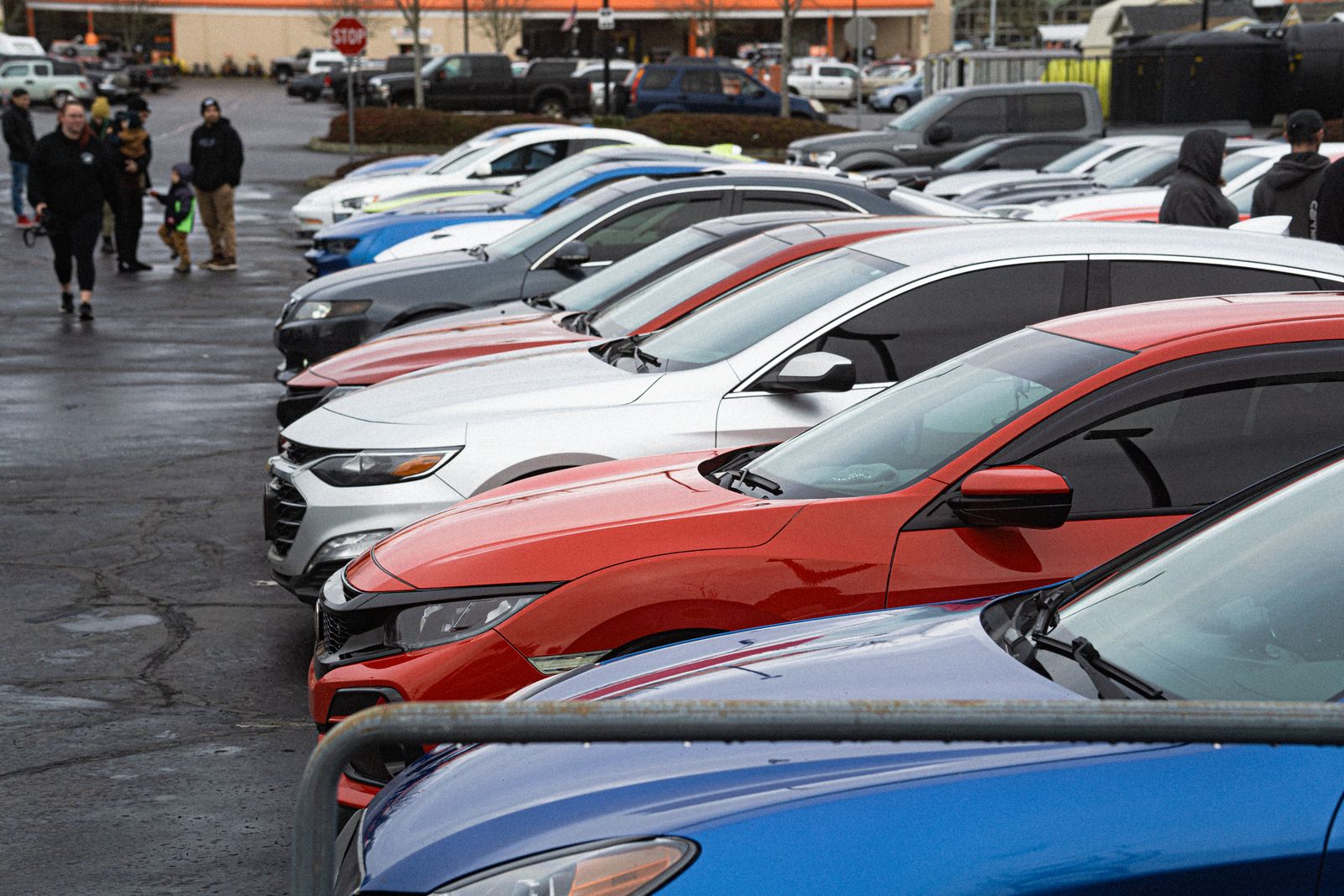
This role check is commercial due diligence, not a substitute for equipment fit. A registered carrier can still need different equipment for a low, oversized or non-running vehicle.
Decide whether open exposure is acceptable for this vehicle
Open carriers leave vehicles exposed to normal weather and road environment during transit. For many standard vehicles that tradeoff is acceptable. For a rare, newly restored or especially sensitive car, you may prefer enclosure or a different loading arrangement. Make the choice from the vehicle and your protection priorities rather than from a blanket claim that open is “unsafe” or enclosed is always necessary.
If enclosure is being considered, compare the single-car enclosed transport guide using the same endpoints, dates and vehicle condition.
Turn this plan into comparable transport options
Use the actual vehicle, pickup and delivery details, timing and handling needs so every quote starts from the same scope.
Ask how the actual car will be loaded
Provide make, model, modifications, ground clearance and operability. State whether the car starts, rolls, steers and brakes. If it needs winching, ask whether the proposed carrier can provide it and how the pickup site affects loading. A standard open quote may be unusable if the vehicle cannot approach the ramps or if the carrier cannot enter the property.
Do not choose or direct the carrier’s securement method from a generic online checklist. The carrier is responsible for using suitable equipment and complying with applicable cargo-securement requirements.
Compare companies on a normalized written scope
Give every bidder the same car, addresses, date flexibility, access notes and running condition. Record whether the displayed price is an estimate, a broker offer awaiting carrier assignment or an accepted carrier price. Ask which costs can change, how cancellation works, when payment is due and who handles a claim. If one company includes difficult pickup access and another assumes a nearby meeting point, make that difference visible before comparing money.
The door-to-door guide helps normalize address access, while the auto-transport cost guide separates common price drivers from unsupported averages.
Keep condition and custody evidence with the booking
Before release, photograph the vehicle, note existing damage and identify the receiver. Keep the broker or carrier agreement, assigned carrier details and condition record together. At delivery, compare the vehicle before closing the handoff when practical. A useful open-transport company comparison ends with a verified business role and an equipment plan for the actual car, not a list of brand names ranked without regard to the shipment.
Resolve assignment, coverage and cancellation before release
Ask how the provider handles carrier assignment if it cannot place the car on the first expected truck. A brokered order can remain unassigned for a period, while a carrier's own equipment can be delayed elsewhere on its route. Clarify whether you may cancel, whether the price can change to attract capacity, and what notification you receive before accepting a revised amount. This makes schedule and price status visible rather than treating every quote as equally firm.
Coverage is another separate check. Request the assigned motor carrier's applicable coverage information and claims instructions before release. Do not infer that a high cargo limit guarantees payment for every type of loss; exclusions, valuation issues and reporting requirements can matter. If the vehicle has unusual value, ask your own insurer whether any notice or additional protection is appropriate.