
The best boat transport company for a particular move is the one that can document a workable support, lifting and custody plan for that vessel and both facilities. Compare the complete scope rather than a ranking or a low line-haul price. This guide does not name a universal winner.
There is no defensible universal winner
Start with your boat, route and required method. Ask each candidate to explain how it will load, support, carry and release the vessel. This guide does not rank named companies or claim firsthand testing. A company suitable for a trailered runabout may not be the right operator for a yacht needing coordinated lifts.
Test the proposal against the two yards
A road hauler and a marina can each describe their own part correctly while leaving a gap between them. Ask who reserves the lift, who supplies or approves the cradle, and who is responsible if the boat reaches the receiving yard outside its booked window. Put both facilities in contact with the operator before the departure is fixed.
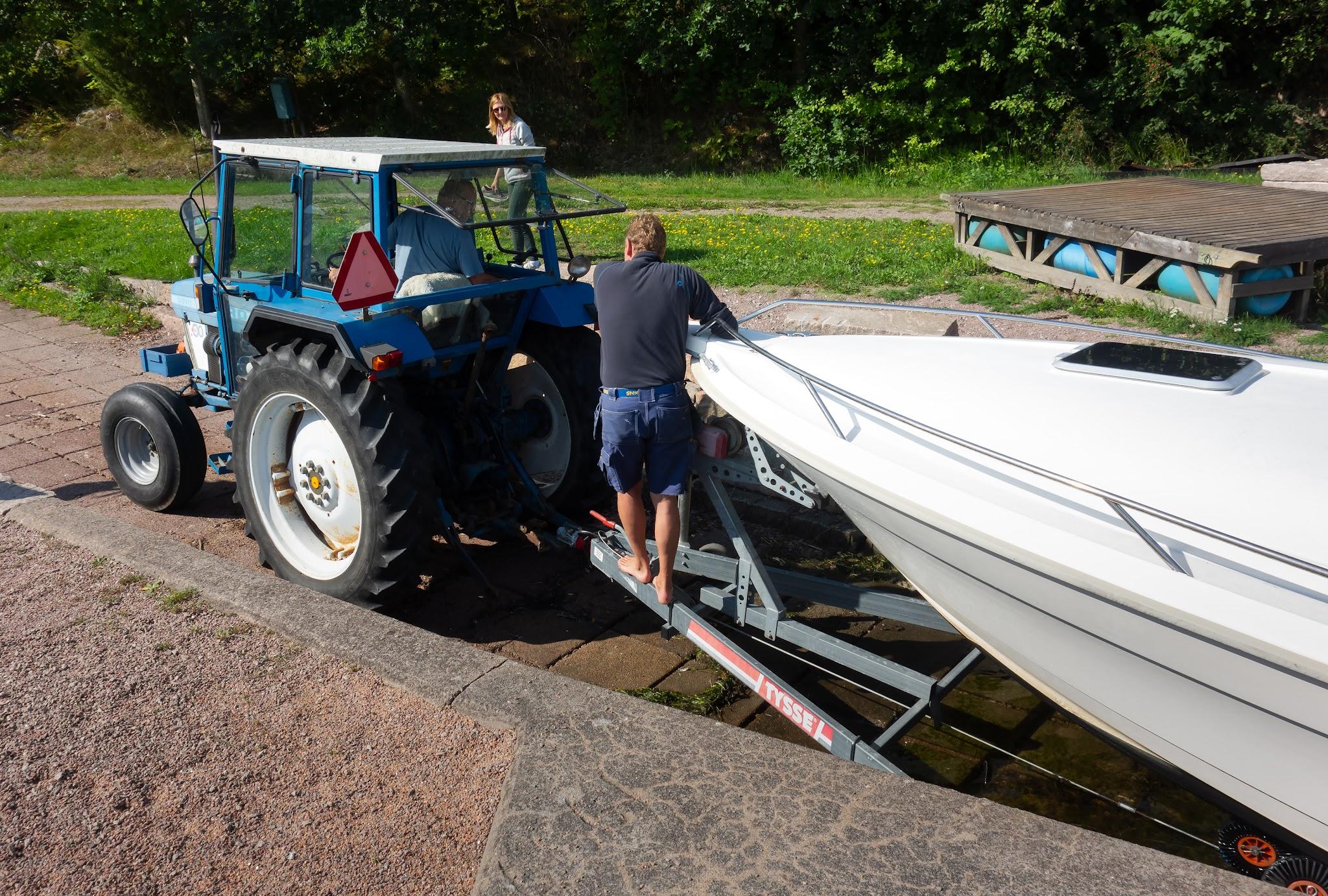
For a boat already on a trailer, distinguish transport of the complete trailer-and-boat combination from loading the hull onto another support system. The quoted dimensions and weight must describe the actual load. If the trailer’s roadworthiness is uncertain, request professional assessment before accepting a tow-away arrangement. The boat-hauling cost comparison should include yard and handling exclusions, so that a cheap carriage figure is not mistaken for a cheaper finished move.
Origin yard
Preparation and lift
Name the booking ownerRoad or ocean operator
Accepted hull and support
Record custody and exclusionsReceiving yard
Unload and storage window
Confirm a fallback before dispatchTurn this plan into comparable transport options
Use the actual vehicle, pickup and delivery details, timing and handling needs so every quote starts from the same scope.
Request evidence relevant to the operation
- Experience with comparable dimensions and handling needs.
- A proposed cradle, trailer or lifting arrangement reviewed by qualified parties.
- The identity of any subcontracted carrier or yard.
- Insurance information addressing the actual handling phases.
- Condition records and a defined claims procedure.
Use reviews as questions, not proof
FTC guidance recommends scrutinizing online reviews. Look for a described boat, service and outcome. Ask candidates about recurring concerns over damaged fittings, late arrivals or additional charges, but do not treat an anonymous score as verified operating authority or a guarantee.
FTC reference
Normalize the offered work
Put preparation, haul-out, permits where applicable, carriage, unloading, storage and reassembly beside each quoted total. An excluded lift can matter more than a small difference in transport price. Reject an unclear responsibility gap before trying to negotiate the number.
Obtain written acceptance of the vessel’s condition and configuration, then confirm both facilities can support the schedule.
Use a short written shortlist
Keep the candidates that answer the boat-specific questions and can identify the actual operator. Set aside an offer that will not disclose who lifts the boat or what happens if the receiving yard cannot unload. Among the remaining proposals, compare the total accepted scope, cancellation terms and communication plan. A reference from a similar move can inform a follow-up question; it does not transfer that customer’s outcome to your boat.