
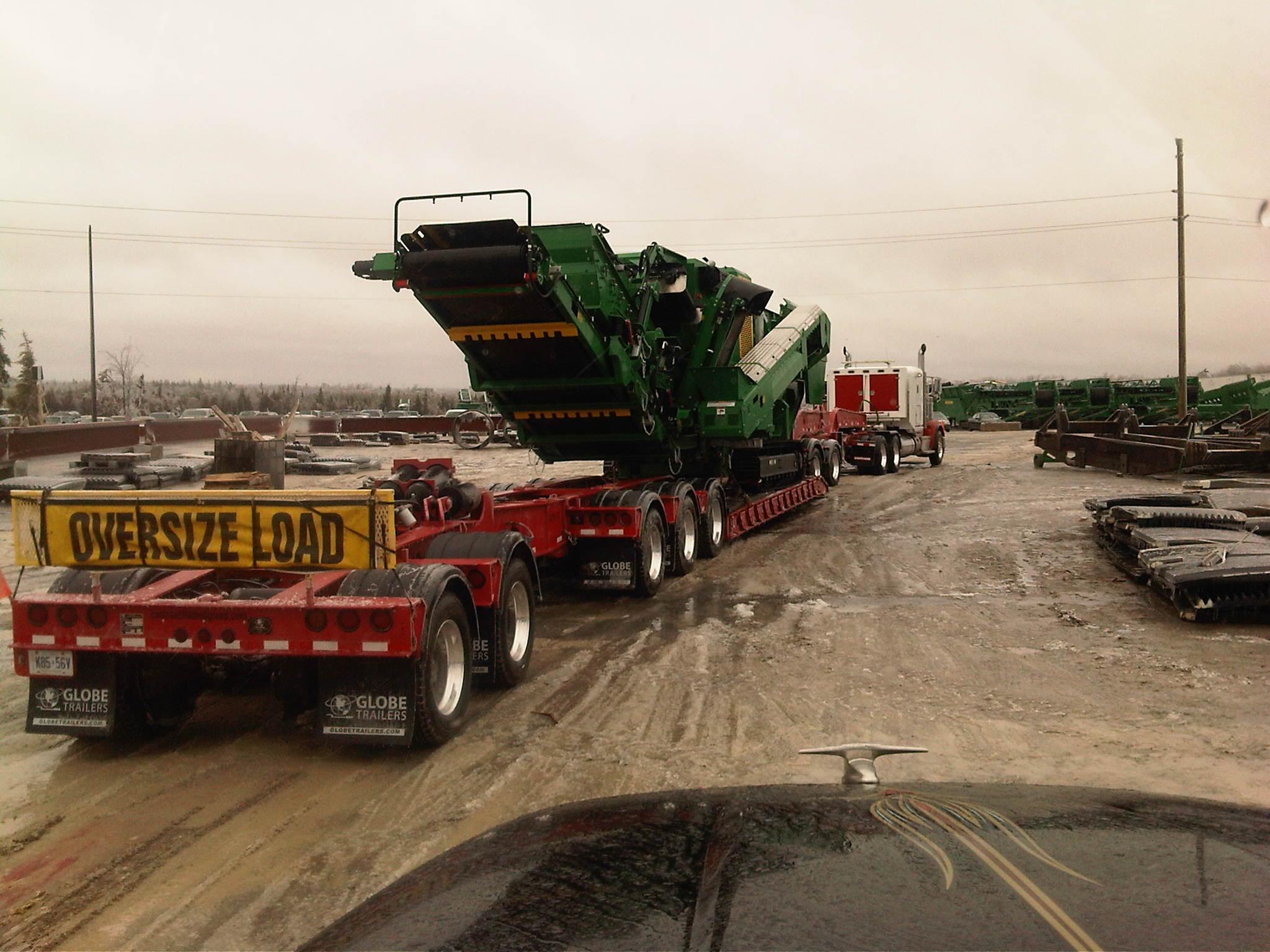
Farm equipment transport services need an itemized machinery list, transport dimensions, weight evidence and a workable loading plan at both farms. Include detached implements and preparation responsibilities. Do not select a hauler using only the name of the largest machine.
Prepare one line for every item
Record machine names, identifiers, condition, dimensions and available weight evidence. Identify removable headers, buckets, wheels and implements. Ask the hauler whether they travel attached, on the same trailer or as a separate load. Include any preparation or reassembly you expect it to perform.
Price the attached and detached configurations
A combine with its header attached is not the same load as the machine and header traveling separately. Ask the operator which configuration it accepts, who carries out removal and where the loose item is placed for collection. Label each component so the receiving farm can reconcile what arrived without relying on the driver’s memory.
Photos should show the machinery and the access route from a public road to the loading point. Tell dispatch whether the ground is firm, whether gates can be opened and whether another machine blocks the approach. Do not assume the carrier supplies a tractor, forklift or recovery service. When estimating machinery transport costs, include separately agreed loading assistance and preparation so the comparison covers the entire job.
Inventory
Machine plus every implement
Identifiers and photographsPreparation
Removal and transport position
Qualified person assignedLoading area
Surface, gates, obstructions
Carrier assesses actual accessTurn this plan into comparable transport options
Use the actual vehicle, pickup and delivery details, timing and handling needs so every quote starts from the same scope.
Show the route onto the property
Tell dispatch about gates, narrow approaches, overhead obstructions and the proposed loading surface. Ask it to accept the site with the equipment it plans to send. An agricultural location does not establish that a large road transporter can reach the machine where it currently stands.
Do not assume an agricultural label removes road requirements
For example, TxDMV maintains specific permit information for implements of husbandry. That illustrates why the operator must check the actual equipment and jurisdiction instead of treating every farm-related movement as exempt. The appropriate rules depend on the load, vehicle and roads used.
TxDMV reference
Assign preparation, loading and receiving
- A qualified person follows each machine’s transport instructions.
- The carrier assesses its trailer, restraint and loading plan.
- Detached parts are labeled and photographed.
- The receiving farm provides agreed access and personnel.
Ask for the cost of waiting or a second trip if the machinery is not ready. Check coverage against both handling and carriage, and record who receives a claim. Choose a provider whose accepted scope matches the whole equipment inventory, not merely the largest machine.