
List the machine model, serial identifier, transport dimensions, weight evidence, running condition and every attachment. Show the estimator photographs and explain any parts to be detached. Ask qualified personnel to price removal and reinstatement before assuming that a smaller configuration saves money.
Describe what actually travels
FMCSA has commodity-specific securement requirements for heavy equipment and machinery. Have the carrier accept the actual load and its restraint requirements. Avoid choosing a trailer solely because the machine appears to fit its deck; loading, weight distribution and securement also need the operator’s assessment. FMCSA
Use a worksheet instead of a false instant calculator
| Input | Enter the written amount for |
|---|---|
| A | Base transport with stated route and machine |
| B | Preparation, dismantling and separately carried parts |
| C | Permits, escorts or route survey if applicable |
| D | Origin and destination handling |
| E | Known storage and reinstatement |
Input: A
Enter the written amount for: Base transport with stated route and machine
Input: B
Enter the written amount for: Preparation, dismantling and separately carried parts
Input: C
Enter the written amount for: Permits, escorts or route survey if applicable
Input: D
Enter the written amount for: Origin and destination handling
Input: E
Enter the written amount for: Known storage and reinstatement
Your committed estimate is A + B + C + D + E. For a purely hypothetical example, $3,000 + $500 + $300 + $700 + $200 = $4,700. These numbers are not market prices. Keep unpriced work and delay allowances beside the total; entering zero for an unknown creates a misleading result.
If an offer uses a per-mile rate, multiply it by the provider’s quoted billable mileage to obtain only the mileage component. Ask whether a minimum charge, loading, route assessment or other fixed work sits outside that product. Do not compare that component with a competitor’s all-in total.
For an overseas move, extend the scope explicitly
Add the actual departure and arrival countries and ports, accepted ocean configuration, packing, inland legs and destination release work. Ask the ocean operator or forwarder to confirm acceptance, documentation and cleaning requirements for the equipment. A domestic road estimate does not price customs, destination taxes or sea freight.
Do not assume the machine can roll onto a vessel because it can drive onto a road trailer. Obtain the booked service’s specifications and allocate responsibility for delivery to the terminal, rejected cargo and storage. Country-specific import eligibility must be established before committing the shipment.
Reduce cost without hiding necessary work
Compare flexible dates, compatible configurations and consolidated transport only where the operator confirms feasibility. Ask whether a cheaper method introduces transfers, longer storage or extra site handling. Preserve required loading and restraint work; deleting it from an estimate does not remove the need for it.
Choose on completed scope and acceptable risk. Confirm the receiving operator, surface and equipment, photograph condition and obtain coverage and claims terms. Have every price change approved through a named contact before additional work begins.
Turn this plan into comparable transport options
Use the actual vehicle, pickup and delivery details, timing and handling needs so every quote starts from the same scope.
Decide which variables are fixed before you compare quotes
Heavy-equipment estimates often change because the bidder priced a different load than the one that reaches the truck. Freeze the transport configuration first: record the machine as it will sit on the trailer, the attachments that travel with it, the reliable loaded weight, and the lowest practical height and width after any approved preparation. If one contractor quotes the excavator with the bucket attached and another assumes the bucket travels separately, those are not competing prices for the same job.
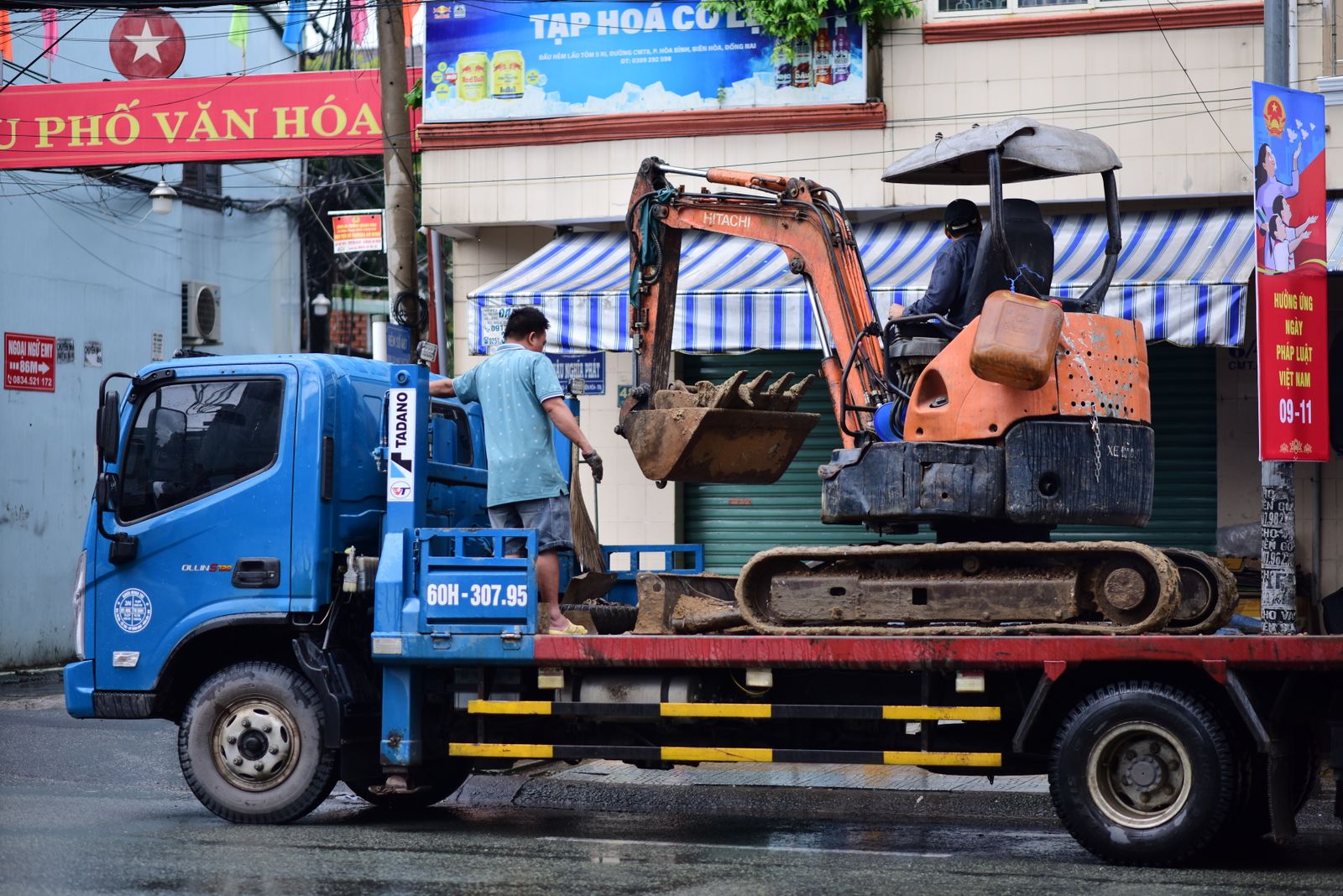
Then freeze the two handoffs. A construction site, auction yard, farm and equipment dealer can impose very different access constraints even when their ZIP codes are close. Tell the estimator about gate width, surface condition, overhead clearance, operating hours, appointment rules and whether loading equipment is available. If the machine cannot move under its own power, state exactly what it can and cannot do. Recovery, winching, crane work or a second machine used for loading should be a named responsibility rather than an assumption.
Ask what happens if the permitted route changes
Oversize or overweight work is route-specific. The important question is not simply whether permits are “included,” but which party is responsible for route review, permits, escorts, travel-time restrictions and changes caused by a rejected or unavailable route. A quote based on preliminary dimensions can legitimately change when the final loaded profile triggers different requirements. Ask the provider to state which measurements it relied on and how a change is approved before extra work is incurred.
This is also why a per-mile number is a poor stand-alone comparison. Two haulers can use similar mileage yet require different trailers, loading plans or route work. Compare the whole movement against the planning steps in how to ship heavy equipment. If the machine is specifically an excavator, the separate excavator transport cost guide focuses on boom, bucket, counterweight and site-handling decisions that can materially change the job.
Convert the estimate into a booking-ready scope
Before paying a deposit, reconcile the quote with a short responsibility list. Identify who prepares the machine, who confirms the transport dimensions, who supplies loading and unloading equipment, who obtains route permissions, who receives the machine and who is authorized to approve extra work. Save the accepted measurements and photographs with the quote. If the job includes dismantling, list every removed part and the party responsible for reassembly.
Finally, separate price certainty from schedule certainty. A firm transport amount does not necessarily guarantee a loading date, and a promised pickup window does not automatically cap waiting or storage. Ask how weather, site closure, permit timing or an unavailable receiver are handled. A complete heavy-equipment estimate is therefore a priced operating plan, not a mileage multiplication: the useful total is the one that describes the actual load, the actual sites and the conditional work that could still change what you pay.