
Provide the exact model, reliable operating weight and transport dimensions. Explain whether the boom, bucket, counterweight or other attachments remain fitted. If tracks can retract or parts can be removed, ask qualified personnel whether that is appropriate and what the resulting dimensions will be.
Measure the configuration the transporter will carry
Do not use the lowest brochure weight if your machine carries additional equipment. Include every loose attachment with its own weight and dimensions. A bucket traveling separately still consumes capacity and needs handling; it should appear in the order rather than in a last-minute request to the driver.
Loading can be a separate cost problem
Tell the carrier whether the machine starts and moves, and whether anyone at the site is authorized and competent to operate it. Supply photographs of the approach, loading surface and overhead obstructions. Ask the transporter to accept the proposed loading method and identify any assistance you must arrange.
FMCSA publishes specific securement requirements for heavy equipment and machinery. Have the carrier explain its compliant loading and restraint plan for the actual excavator and attachments. This is not a do-it-yourself chain-count guide; machine configuration and the operator’s equipment must be assessed together. FMCSA
Build the total from comparable lines
| Line | Clarify before comparison |
|---|---|
| Haul | Named origin, destination, machine and equipment |
| Configuration work | Removal, separate carriage and reinstatement |
| Route | Permit, escort and survey scope if required |
| Site work | Loading help, unloading and waiting |
Line: Haul
Clarify before comparison: Named origin, destination, machine and equipment
Line: Configuration work
Clarify before comparison: Removal, separate carriage and reinstatement
Line: Route
Clarify before comparison: Permit, escort and survey scope if required
Line: Site work
Clarify before comparison: Loading help, unloading and waiting
For illustration only, $2,800 carriage plus $450 loading assistance plus $350 confirmed route charges produces $3,600 before any other exclusions. These are invented worksheet inputs, not excavator rates. Replace them with written supplier figures and leave unknown items visible.
A lower haul price may leave you more work
Ask whether moving a reduced configuration is cheaper after adding dismantling and reassembly. Confirm who carries the risk and cost if actual dimensions differ. A firm price should state its assumptions and a process for approving changes.
Agree the receiving surface, operator and arrival notice before dispatch. Photograph the machine and attachments, record serial identifiers and ask about cargo coverage across loading and unloading. If the project cannot receive it on time, identify a holding location and the charge for using it before the truck is committed.
Turn this plan into comparable transport options
Use the actual vehicle, pickup and delivery details, timing and handling needs so every quote starts from the same scope.
Make trailer selection part of the estimate, not an afterthought
An excavator’s transport cost is tied to the loaded configuration and the equipment used to carry it. Ask the hauler to confirm the proposed trailer only after reviewing the machine’s verified weight, track width, overall height, boom position and every attachment. A configuration that is compact in a brochure may be taller or wider once the actual bucket, coupler, guarding or other fitted equipment is included. If a lower profile depends on removing a component, price that work and the separate handling of the component before calling the option cheaper.
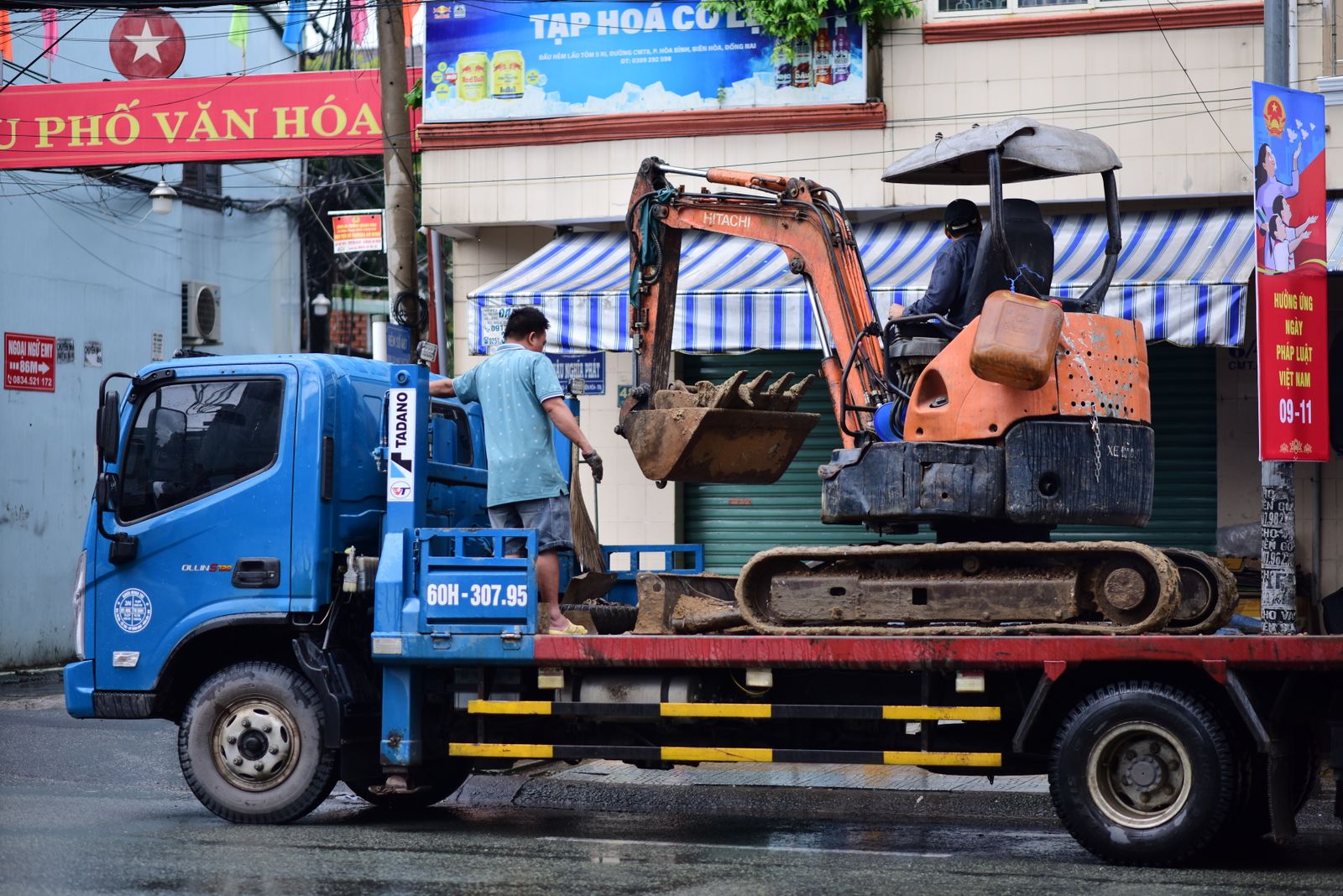
Loading is equally specific. A working excavator at a prepared yard is not the same job as a disabled machine in a field or on a construction site. Identify the surface, approach, available turning area and whether an authorized operator will be present. If recovery or lifting support is needed, make the supplier and price explicit. The quote should not rely on the driver improvising a safe loading method after arrival.
Separate route work from the basic haul
When the completed load exceeds ordinary limits, route planning can involve state permits, travel restrictions, escorts or a route survey. Those requirements depend on the loaded dimensions and the specific route, so a previous move of a similar excavator is not enough to price yours. Ask whether route-related amounts are firm, allowances or excluded items, and what happens if final measurements or a route restriction change the plan.
For a broader checklist covering equipment preparation, securement responsibilities and handoff planning, use the heavy-equipment shipping guide. To compare the excavator against a more general machinery budget, keep the separate heavy-equipment cost framework available rather than forcing every machine into one rate.
Check the receiving site before you lock the schedule
Confirm that the destination can accept the same trailer and unloading plan used in the quote. Construction schedules change, gates close and ground conditions deteriorate. Name a receiver, establish the arrival-notice process and decide what happens if the site cannot unload on the agreed day. Waiting, redelivery or temporary holding can erase an apparent saving if they were not considered up front.
Keep a condition record that includes the machine, bucket and any separately transported parts. Record serial identifiers where practical and compare the inventory at delivery. The best cost comparison is not the lowest single number; it is the lowest acceptable total for a transport plan that the hauler, origin and destination have all agreed they can execute.