
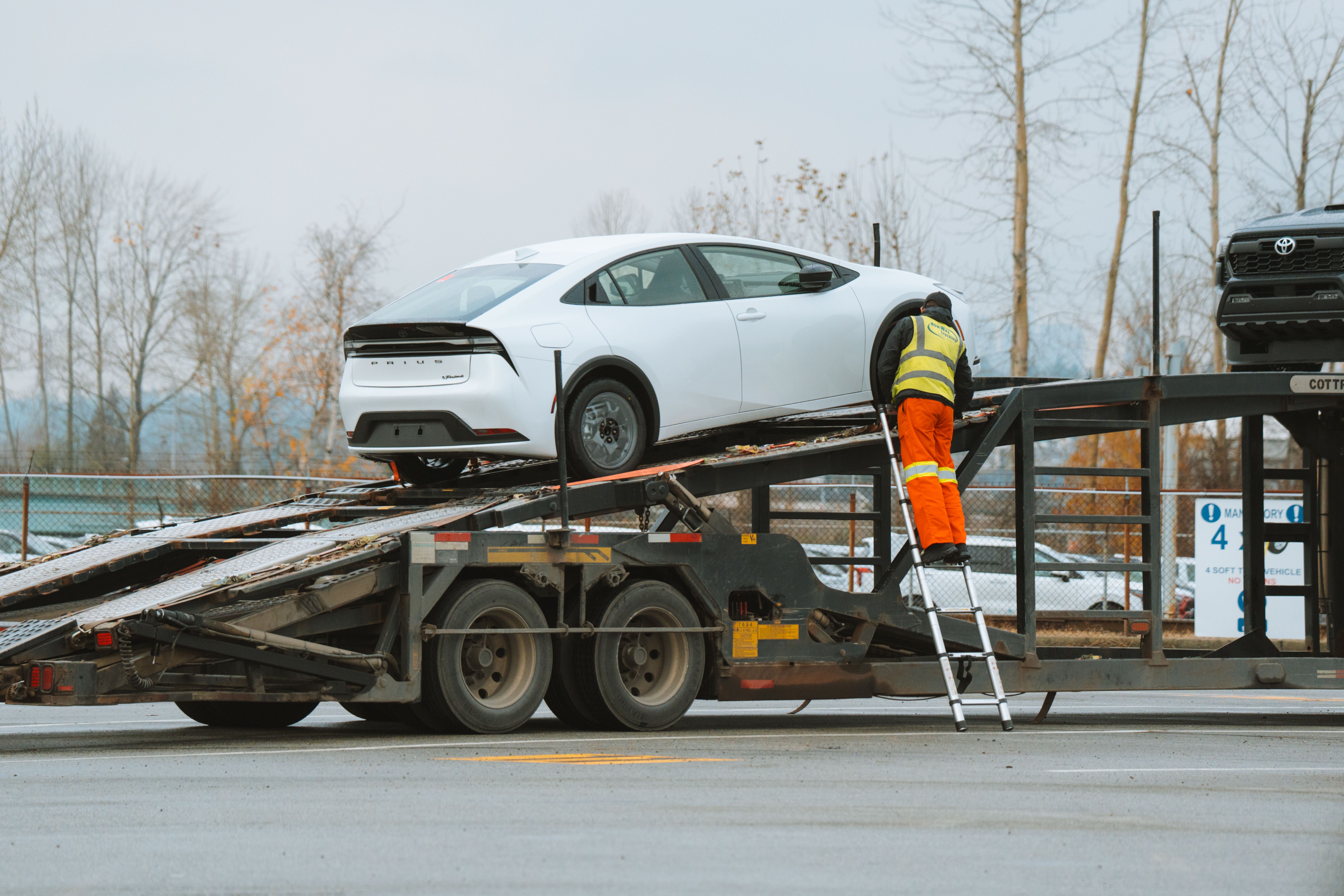
Wilmington, North Carolina car transport may end at a residence, seller or terminal-related facility. Compare the complete movement and name any inland, terminal and ocean responsibilities separately when the shipment connects with overseas transport.
Establish the collection point
Describe whether the vehicle is at a residence, dealer, port-adjacent facility or storage lot. If a terminal is involved, ask separately who may enter, what release documents are required and which party pays facility charges. Do not assume a public street or port facility will accept a car carrier merely because it appears on a map.
A terminal address needs a release procedure
Ask the party controlling the facility what identifies an authorized collecting operator and which reference must accompany the vehicle. Give the inland carrier that procedure before dispatch. A correct street address cannot resolve an unrecognized booking or unavailable release document at the gate.
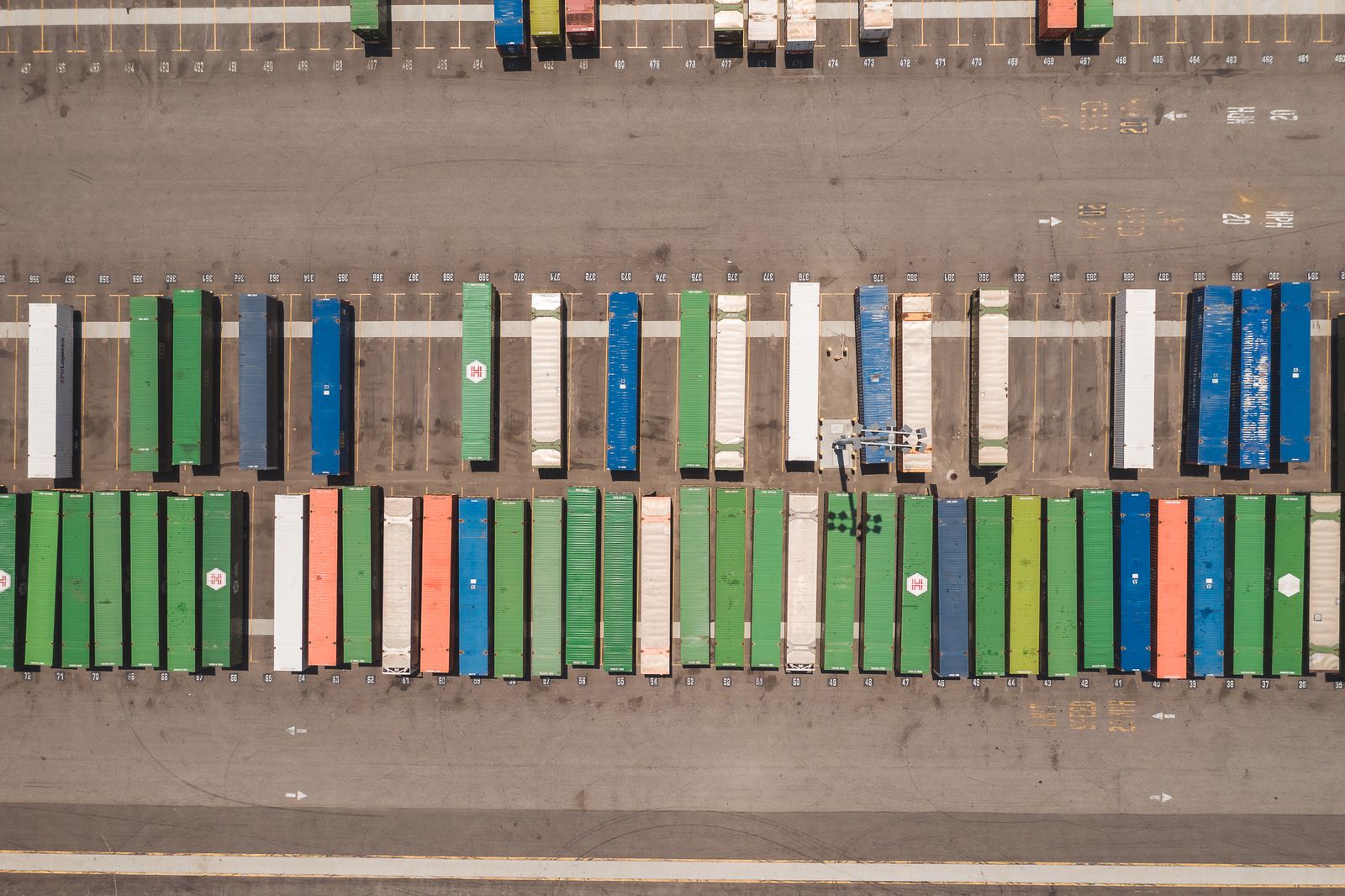
For an ocean connection, identify who confirms acceptance of the next leg. Do not let a domestic delivery receipt stand in for confirmation of an overseas contract. Any waiting or storage after the inland handoff should have a named decision-maker and written terms.
The guide to international car shipping helps separate a nearby collection service from the complete overseas arrangement.
Inland operator
Vehicle and booking reference
Facility instructions receivedTerminal handoff
Authorized acceptance
Custody and charges recordedOcean connection
Separate service confirmed
Next responsible party namedTurn this plan into comparable transport options
Use the actual vehicle, pickup and delivery details, timing and handling needs so every quote starts from the same scope.
Compare the full movement
Give each bidder the operating condition, keys, dimensions, pickup window and exact destination. If the trip includes an ocean leg, require named inland, terminal and ocean responsibilities rather than treating an auto-haul quote as a complete shipping contract. Confirm the receiver and inspection procedure at the actual delivery point.
Check the booking role
FMCSA’s automobile-transporter advisory explains that a broker arranges transport and a transporter physically moves the car. FMCSA automobile-transporter advisory
Match the company on the agreement to its role and relevant records. Ask who resolves a changed pickup or additional transfer, then review payment and cancellation terms. Keep the signed condition record and photographs through delivery.
Separate Wilmington terminal readiness from the road appointment
If a terminal is involved, confirm the vehicle or release is actually ready before sending the inland carrier. Identify the reference the driver needs, the person who handles a failed release and any storage or rescheduling terms. If no terminal is involved, keep terminal assumptions out of the quote. In both cases, the road carrier still needs a precise collection point, vehicle condition and authorized releasing person.