
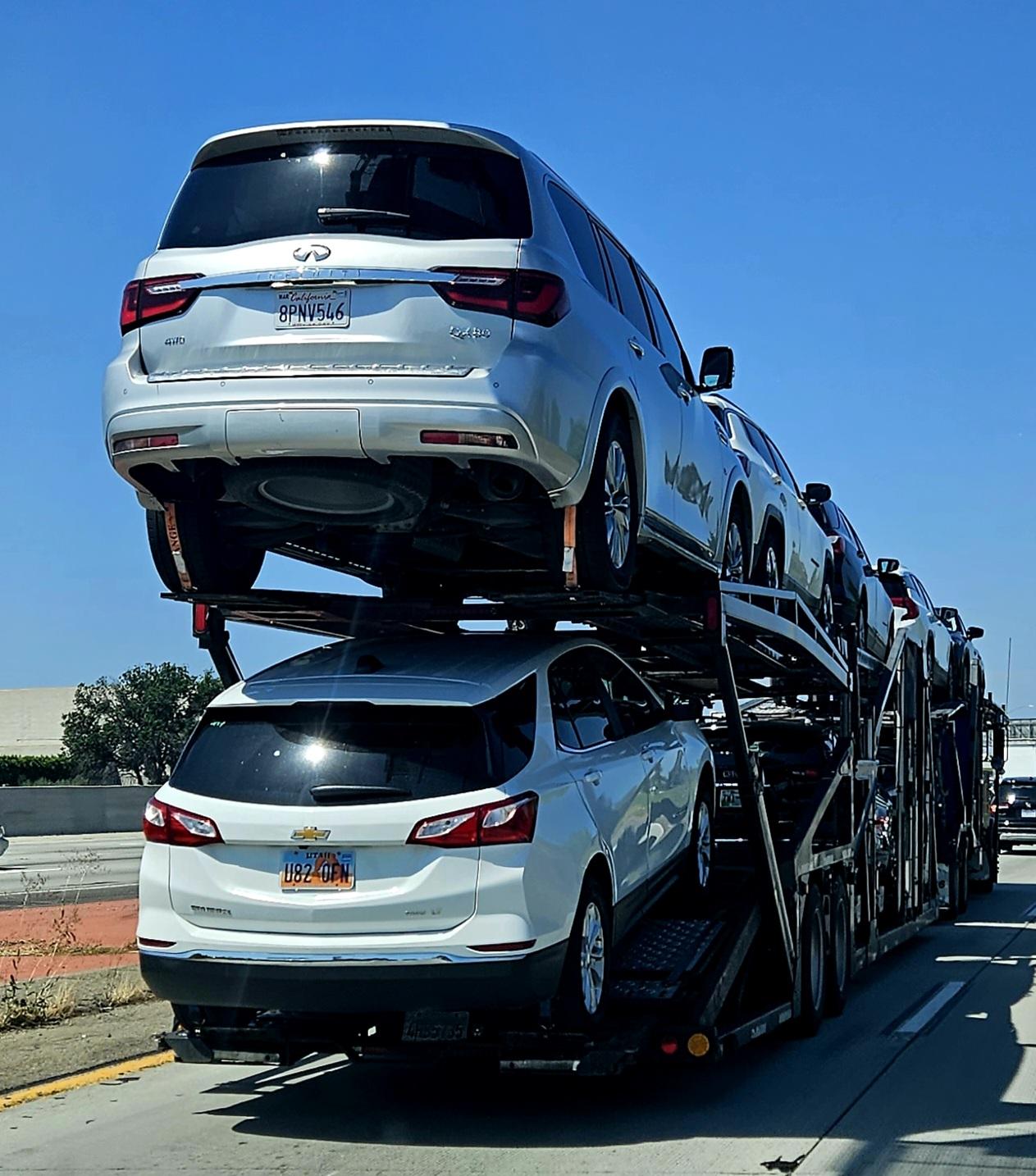
New York auto transport requires an accepted pickup and receiving place for the actual vehicle. International car shipping adds separate export, ocean and destination obligations; a domestic road quote or port delivery does not by itself cover those stages.
Start with the actual address
State whether the car is at a home, dealer, shop or terminal. Ask the hauler to assess access for its equipment and explain any local transfer. If your address is within New York City, request a borough-specific approach and unloading plan; city rules should not be assumed to describe every New York location.
Name the party responsible when the overseas connection is not ready
For an international proposal, request a written itinerary showing where the road carrier delivers, who receives the car there and who manages export documents and onward booking. Confirm the applicable instructions directly with the responsible port and shipment providers. Do not assume an arranger handles a task simply because its quote uses the word international.

Ask what happens if document acceptance or the next transport stage is delayed: who may authorize holding, where the vehicle remains, and which charges belong to your agreement. Obtain separate condition records at meaningful custody changes. Check destination eligibility and release requirements with the relevant authorities or qualified provider before committing to shipment. For a domestic New York move, focus the same comparison on its actual property access, operator and receiving appointment; neither a seaport nor New York City procedures belong in the plan unless the endpoints require them. Compare like-for-like scope so a road-only amount is not presented as the cost of the complete overseas move.
Turn this plan into comparable transport options
Use the actual vehicle, pickup and delivery details, timing and handling needs so every quote starts from the same scope.
For help separating a local arranger from the full overseas itinerary, use the international car-shipping comparison before treating two quotes as equivalent.
Road stage
Carrier and receiving facility
Domestic scope definedOverseas stage
Documents and booking responsibility
Acceptance verifiedArrival abroad
Eligibility and release checked
Remaining obligations knownCheck admissibility and export readiness
CBP requires ownership documentation and advance submission under its procedures for used self-propelled vehicles exported to a foreign country. CBP vehicle export requirements
Before sending the car to a port, verify destination-country eligibility for that vehicle and the departure port’s presentation instructions. Ask who files documents, who books the sea leg and who arranges release abroad. Export processing does not guarantee foreign registration.
Compare the whole journey
| Domestic proposal | Overseas proposal also needs |
|---|---|
| Pickup and receiving addresses | Named departure and arrival ports |
| Hauler and equipment | Ocean operator and loading method |
| Total payment and cancellation terms | Terminal, document, storage and destination-charge exclusions |
Disclose the car’s condition, dimensions and powertrain to all relevant operators. Acceptance by a road hauler is not evidence of marine acceptance.
Preserve a record at every custody change
Use photographs and signed handoff records, identify each responsible business and obtain the applicable claims terms. Name a receiver able to satisfy the final release requirements. Keep timing estimates distinct from port cutoffs and owner deadlines.