
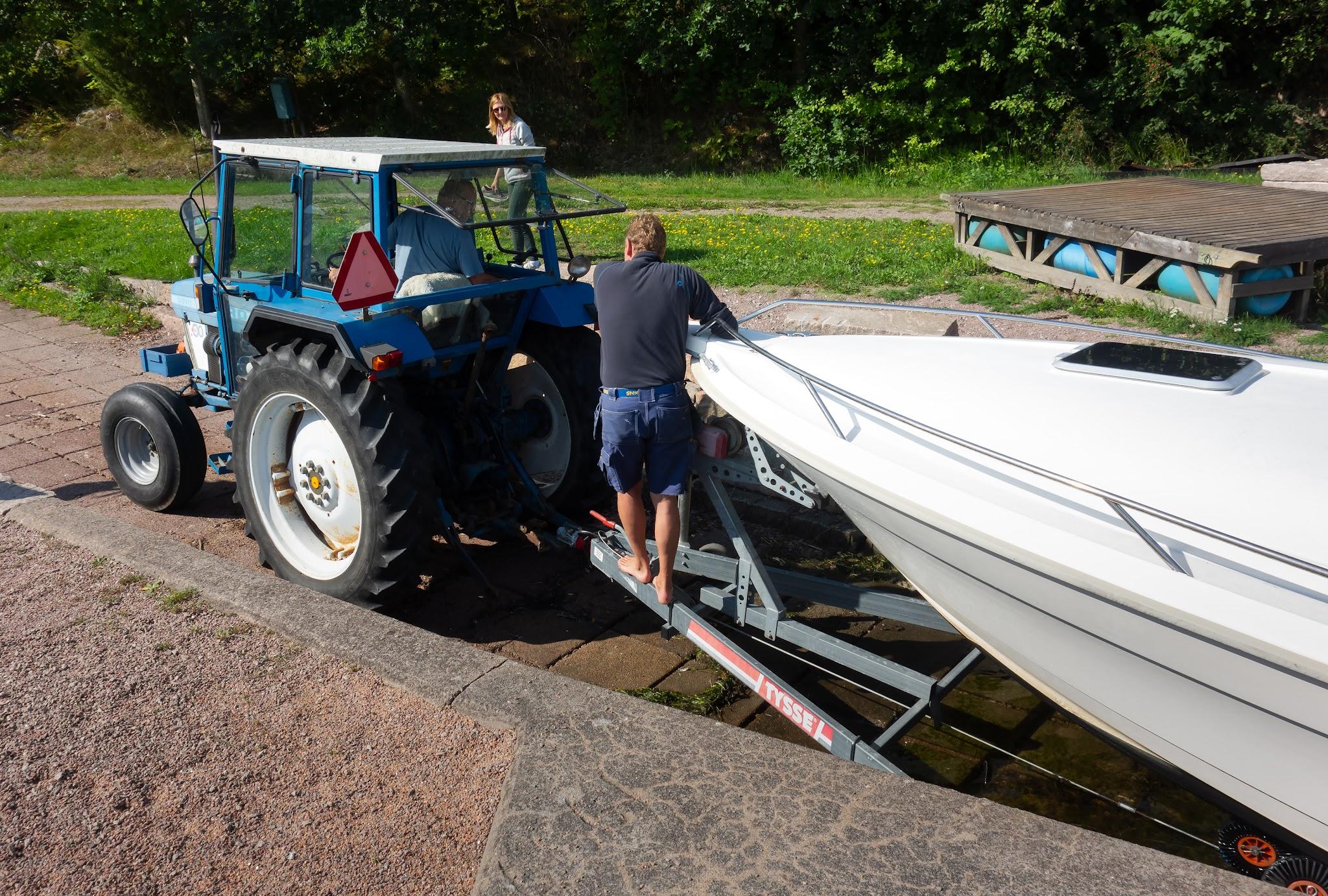
Washington boat transport can involve more than a highway leg, especially where a ferry or other marine connection is part of the route. Make every leg, booking responsibility, declared vehicle dimension, and handoff explicit in the quote.
Name every change of transport
Ask whether the quote covers an entirely road-based move or includes a ferry or other marine leg. Do not assume an island address means the carrier has arranged a crossing. Identify who books it, what vehicle dimensions are declared and who pays if the sailing or connection changes.
Washington State Ferries publishes separate guidance for commercial and oversized vehicles, including a travel-request process for qualifying loads. Have the operator use that process where applicable. A passenger booking should not be treated as approval for an oversized boat transporter. Washington State Ferries
Choose the trailer arrangement before pricing
If the boat has its own trailer, ask whether it will be towed or carried with the boat. Towing requires the carrier to accept that trailer’s condition; carrying the combination changes the dimensions and weight to be quoted. Describe tires, running gear and any known repair needs honestly.
Without a trailer, have the yard and hauler agree the cradle, lift points and compatible handling equipment. Supply reliable beam, transport height, length and weight. Include removed spars or accessories in the transport inventory and in destination reassembly plans.
Quote the Washington boat in the configuration that will actually travel
For boat transport washington state, record the loaded boat configuration that will travel: hull dimensions, trailer or cradle status, removable items and any support that changes height or width. On the Washington move, use loaded dimensions, trailer or cradle configuration and removable gear to identify who supplies each measurement and who accepts it. For this Washington decision, a hauler cannot price routing or equipment reliably when the boat is described only by model name or nominal length.
Turn this plan into comparable transport options
Use the actual vehicle, pickup and delivery details, timing and handling needs so every quote starts from the same scope.
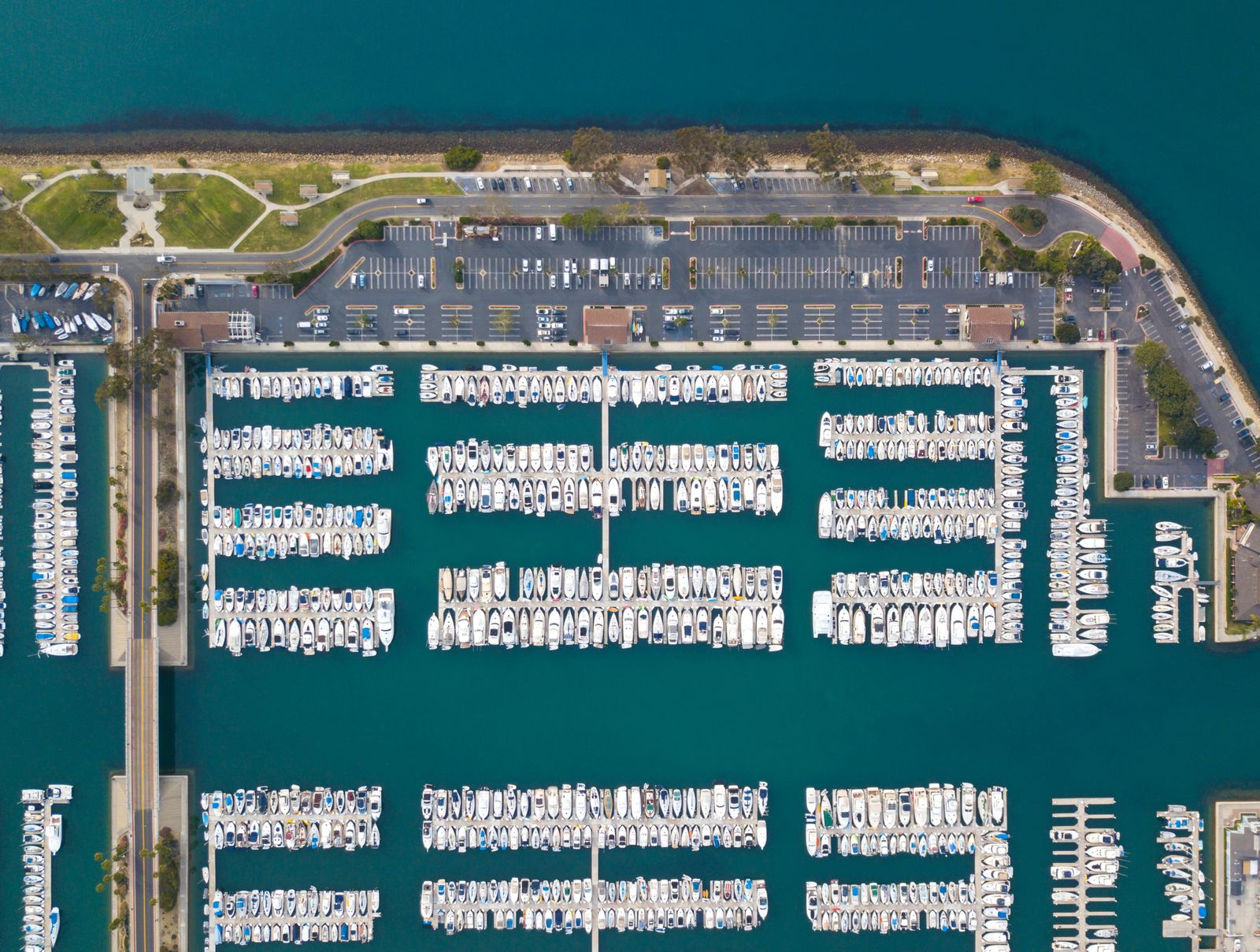
For Washington, tie the origin and destination to yard, marina, lift and trailer responsibilities. For this Washington decision, confirm which yard, marina or owner is responsible for lifting, launching, blocking, mast work or trailer preparation when those tasks apply. For this Washington decision, keep those services separate from the road-haul price unless the written scope explicitly includes them, and give both facilities the same arrival and release assumptions.
| Decision | Clarify | Acceptance test |
|---|---|---|
| Washington profile | Washington: loaded dimensions, trailer or cradle configuration and removable gear | Loaded dimensions and support are explicit |
| Origin handoff | Washington: yard, marina, lift and trailer responsibilities | Yard or owner responsibilities assigned |
| Road move | Equipment, route and quoted extras | Hauler accepts the complete movement |
Have the route assessed for the full load
WSDOT provides permits for oversized and overweight movements on the state highway system. Ask the hauler to evaluate the boat on its proposed trailer and identify the route assumptions. Road permission does not automatically establish permission to load at a public ramp or private marina. WSDOT
Require any change of facility, loaded dimensions or ferry plan to be reviewed before dispatch. If the route is not feasible, compare a different accepted configuration or handling site with all associated costs visible. Avoid treating a longer detour as merely an extra-mile charge when it changes appointments or support needs.
Close the gaps between water and road
Book origin release and destination unloading with named contacts. Confirm hours, access gates, lift arrangements and where the vessel waits if either appointment fails. Separate preparation, carriage, crossings, permits, handling and storage on the estimate.
Ask which party’s coverage applies at each lift and custody transfer. Photograph the hull and equipment before release, keep condition records, and inspect again after unloading. A successful arrival means the boat reaches an accepted support, storage or relaunch arrangement, not simply the receiving postcode.