
Give prospective specialists the yacht’s dimensions, displacement information, condition and departure and arrival facilities. Ask which movement they will accept: an overland haul, transport aboard another vessel or a delivery passage. Do not compare totals until both offers describe the same method and handoff points.
Questions that distinguish the options
| Method to assess | Critical question |
|---|---|
| Overland | Can the loaded dimensions and proposed road route be accommodated? |
| Ship carriage | Who accepts the lifting/support plan and loading window? |
| Delivery passage | Who assesses seaworthiness, crew and voyage scope? |
Method to assess: Overland
Critical question: Can the loaded dimensions and proposed road route be accommodated?
Method to assess: Ship carriage
Critical question: Who accepts the lifting/support plan and loading window?
Method to assess: Delivery passage
Critical question: Who assesses seaworthiness, crew and voyage scope?
When the proposals are different
If a road hauler requires fittings to be removed while a ship-carriage proposal accepts the yacht intact, obtain the preparation and reassembly prices before deciding. For a delivery passage, ask a qualified skipper or surveyor what work the yacht needs before departure and who bears weather-related delay costs. These are different projects, even when their headline transport prices look similar.
Ask every proposer to identify where its responsibility starts and ends. A quote beginning with a yacht already alongside a loading facility leaves the journey to that facility for somebody else to arrange. Resolve that missing leg before paying a deposit.
Assign yacht-specific preparation
Have the boatyard and transporter agree on lifting points, cradle or support arrangements and any mast or fitting removal. Require a record of removed parts and responsibility for reinstallation. A general vehicle carrier should not be presumed qualified to design hull supports.
Road transport needs route-specific review
For example, FDOT administers oversize/overweight permissions on Florida state-maintained roads. This is a jurisdictional example, not a nationwide yacht permit. Ask the chosen hauler to establish the permissions for the actual departure, route and destination.
FDOT reference
Close the gaps between contractors
Record the yacht’s condition before loading and after unloading. Ask insurers or brokers to explain coverage during lifts, temporary storage and transit. Confirm yard availability before committing to travel dates, and agree on who pays if an appointment or movement cannot proceed.
Choose the transport mode from the yacht’s condition and endpoints
Overland hauling, carriage aboard another vessel and a delivery voyage solve different problems. Road transport requires a workable loaded envelope and two suitable yards. Ship carriage requires compatible lifting, support and port schedules. A delivery passage requires the yacht to be suitable for the voyage and a qualified crew arrangement. Decide which methods are actually feasible before comparing their prices.
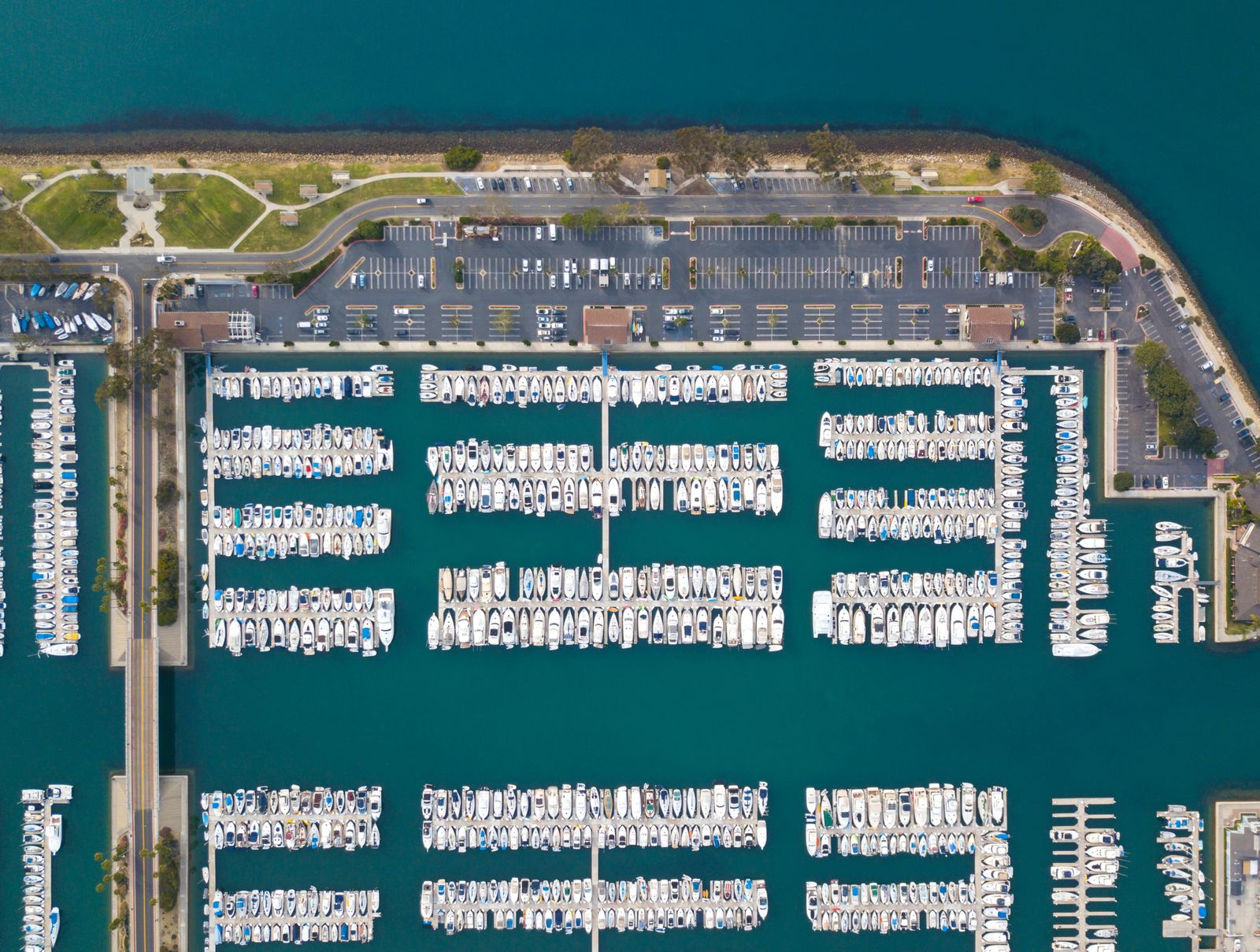
If the likely method is road, use the yacht-by-road cost guide to build the permit, yard and delay budget. Do not let an attractive road quote decide the method before route feasibility is established.
Turn this plan into comparable transport options
Use the actual vehicle, pickup and delivery details, timing and handling needs so every quote starts from the same scope.
Measure the transport configuration and assign technical preparation
Collect reliable length, beam, displacement or weight information, draft and the height of the yacht in the configuration proposed for movement. Identify arches, masts, antennas, stabilizers, tenders or other structures that may need special treatment. A qualified yard or technician should determine what can be removed safely and how it is reinstated; the transporter should then price the accepted configuration.
For sailing yachts, the sailboat transport cost guide gives special attention to mast, rigging and keel handling. Keep an inventory of every removed part and where it travels.
Make the origin and destination facilities agree with the movement plan
Confirm lift capacity, sling or cradle requirements, operating hours, appointment windows and staging space with both facilities. For ship carriage, confirm where custody changes and who supplies the loading support. For a delivery passage, confirm departure readiness and the exact delivery point. A quotation that begins with “yacht alongside” or “yacht loaded” leaves an earlier movement for someone else to arrange.
Coordinate the provider and both facilities before making travel or launch plans. Ask what happens if weather, route restrictions or yard availability changes the sequence.
Map insurance and custody across multiple suppliers
A yacht can pass through a yard, lifting contractor, road carrier, ship operator, marina and storage facility. Ask each party where its responsibility and coverage begin and end. Photograph the vessel before major custody changes and keep lift, loading and delivery records together. If damage is discovered later, those records help identify when it first appeared.
Name the people authorized to approve extra dismantling, route changes, storage or delay expense. Without that authority map, contractors may wait for an owner who is unavailable or proceed with work the owner did not expect.
Compare complete projects rather than headline transport rates
Total preparation, origin handling, primary movement, destination handling, storage exposure and reinstatement. Keep uncertain items as named allowances instead of hiding them in a broad contingency. A method with a higher carriage price can be cheaper overall if it avoids substantial dismantling or yard work; the reverse can also be true.
The right yacht transport method is the one that is technically feasible, accepted by every necessary facility, and commercially complete from the current berth or yard to the intended destination. Price should be compared only after that chain is defined.