
Tell the estimator whether the mast is stepped and who can unstep it. Ask how spars, rigging and spreaders will be protected, labelled and carried. If the mast travels separately, request its transport and storage price rather than assuming it fits on the hull’s trailer.
Price the mast as a separate handling problem
Discuss rig tuning and reinstatement with the receiving yard. A transport contract may end when the boat is unloaded; it should not be read as a promise to make the vessel ready to sail.
Put the missing lines beside the haul price
| Cost line | Question for the estimate |
|---|---|
| Unstepping and preparation | Who performs it, and what dismantling is included? |
| Cradle or trailer support | Is a compatible support supplied or must you provide one? |
| Road carriage | Which dimensions, route and permit assumptions were priced? |
| Yard lifts and storage | Are both ends included, with delay charges defined? |
| Reassembly | Does the receiving quote include stepping and commissioning? |
Cost line: Unstepping and preparation
Question for the estimate: Who performs it, and what dismantling is included?
Cost line: Cradle or trailer support
Question for the estimate: Is a compatible support supplied or must you provide one?
Cost line: Road carriage
Question for the estimate: Which dimensions, route and permit assumptions were priced?
Cost line: Yard lifts and storage
Question for the estimate: Are both ends included, with delay charges defined?
Cost line: Reassembly
Question for the estimate: Does the receiving quote include stepping and commissioning?
Ask whether the stated weight includes the contents and equipment actually aboard. Provide a reliable weight source and identify uncertain measurements. A wrong dimension can invalidate a route assumption before the truck ever reaches the yard.
The keel and hull need an agreed support plan
Send keel configuration, draft, hull drawings if available and photographs to the transporter and yards. Have qualified handlers agree the lift points and support arrangement. Do not improvise blocks, sling positions or trailer modifications from a general online checklist.
FHWA identifies states as the permitting authorities for oversize and overweight road movements. Have the hauler explain its route-based permit scope; a boat’s length alone cannot determine the full administrative or equipment cost. FHWA
Compare risk as well as the total
- Which party pays if the origin yard misses the truck’s appointment?
- Where can the vessel wait if the destination cannot unload?
- Does coverage include each lift, road carriage and storage period?
- Who records condition of the hull, keel and spars at transfers?
For a purchase, obtain these answers before arranging an irreversible collection deadline. A complete higher estimate may be easier to budget than a low haul rate with all yard work left to you.
Turn this plan into comparable transport options
Use the actual vehicle, pickup and delivery details, timing and handling needs so every quote starts from the same scope.
Book the two yards around the truck, not independently of it
Road transport can fail even after a haul price is agreed if the origin and destination yards cannot perform the required lifts on the truck’s schedule. Give each yard the proposed transport configuration and ask what appointments, crane or travel-lift capacity, sling plan and staging area it requires. The transporter should also confirm when it needs access to the vessel and how much time it has allowed for loading and unloading. Put the three schedules together before committing to a departure date.
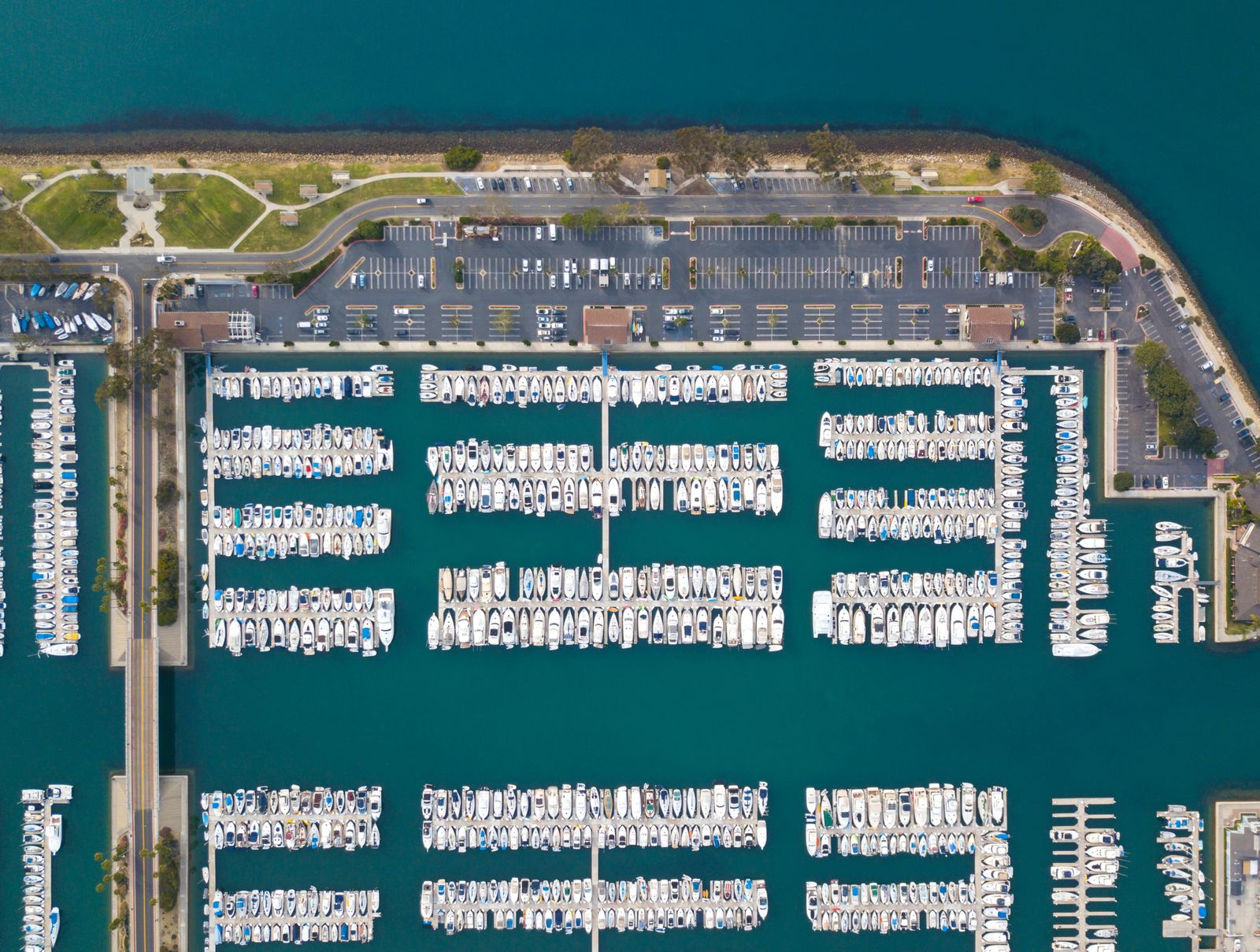
If the origin yard must unstep the mast a day earlier or the destination cannot unload until the following morning, identify who pays for truck waiting, vessel storage or a second handling appointment. A complete sailboat estimate should expose those interfaces rather than leave the owner to reconcile them after the truck arrives.
Use measured transport dimensions, not brochure dimensions
Ask a qualified person to confirm the vessel’s transport height, beam, length and weight in the configuration that will actually travel. Include keel type, cradle or support system, radar arches, pulpits and any spars or equipment carried with the hull. If the route depends on removing an item, compare the road saving with the cost and risk of dismantling, separate carriage and reinstatement.
The related yacht-by-road cost guide explains the same route-envelope problem for larger vessels, while how to transport a yacht focuses on the handoff sequence. Those principles are useful, but the sailboat’s mast and rigging remain a distinct planning task.
Decide where custody changes and document each change
Before release, photograph the hull, keel, spars and easily damaged fittings. Identify the yard representative who releases the boat, the carrier contact that accepts it and the receiving representative authorized to sign at the other end. If spars or equipment travel separately, create an inventory that follows those items. Ask which party’s coverage applies during each lift, road carriage, storage period and separate-parts movement rather than assuming one policy spans every supplier.
Ask how personal gear, sails, electronics and removable deck equipment will be handled. Some items may remain aboard only under the transporter or yard's rules; others may need separate packing. Inventory anything removed and identify where it will travel so that the receiving yard is not left with a hull and an unexplained collection of parts.
A weather hold, blocked route or unavailable yard should have a named decision maker and an agreed communication path. The most useful cost comparison therefore combines the road price with two yard commitments, the support plan and the delay rules. A cheaper trucking line can be the more expensive project if it leaves a lift, mast or storage responsibility unassigned.