
Give the hauler reliable length, beam, weight and height information, including the trailer or cradle configuration it proposes. Identify arches, rails, masts or other structures that may affect clearance. Have a qualified person determine what can be removed safely and who reinstalls it.
Establish the loaded envelope first
If weight or dimensions are uncertain, request a measurement or survey step before a firm haul price. A provisional figure should be labelled as such, with the consequences of a changed dimension explained.
Separate the suppliers and cost lines
| Work | Clarification needed |
|---|---|
| Preparation | Dismantling, protection and transport of removed parts |
| Handling | Origin lift, hull supports, destination lift and relaunch |
| Road movement | Equipment, route assessment, permits and any escort scope |
| Delay | Waiting, storage and rescheduling charges |
| After delivery | Reassembly and checks before use |
Work: Preparation
Clarification needed: Dismantling, protection and transport of removed parts
Work: Handling
Clarification needed: Origin lift, hull supports, destination lift and relaunch
Work: Road movement
Clarification needed: Equipment, route assessment, permits and any escort scope
Work: Delay
Clarification needed: Waiting, storage and rescheduling charges
Work: After delivery
Clarification needed: Reassembly and checks before use
Ask each supplier where its responsibility starts and ends. A yard invoice and a carrier invoice can both omit the same transfer unless someone explicitly accepts it.
Permit costs depend on the actual movement
Oversize and overweight road permitting is administered by states, as FHWA explains. Have the operator identify which jurisdictions and load dimensions its estimate assumes. Do not regard a permit allowance as complete if the route or dismantling plan has not been settled. FHWA
Ask how a restriction or route change would be approved and priced. You should not direct a yacht transporter along a passenger-car navigation route or assume a shorter road will accommodate the load.
Coordinate the critical appointments
- Agree transport measurements and support arrangements.
- Confirm that both yards can handle the yacht in that configuration.
- Approve the road and handling proposal with exclusions visible.
- Set the sequence for preparation, lifting and dispatch.
- Keep a weather or receiving-delay plan with named decision makers.
Review coverage for lifting, carriage and storage separately, and document condition before each change of custody. The cheapest quoted road leg may not produce the lowest completed-move cost if it leaves preparation and delay exposure unresolved.
Compare two feasible transport configurations
Ask for the cost of dismantling and reinstatement alongside the cost of moving the larger intact configuration. A cheaper road quote can be outweighed by specialist reassembly or damage exposure from dismantling. Conversely, keeping an arch installed may make the proposed route infeasible. Have the responsible technical parties settle feasibility before comparing money.
Make the commercial comparison as total preparation plus origin handling plus road service plus destination handling plus reinstatement. Keep uncertain storage and delay amounts in a separate allowance column. Request a written change process if the survey finds different dimensions; an open-ended instruction to do whatever is necessary gives you little control over the final invoice.
Turn this plan into comparable transport options
Use the actual vehicle, pickup and delivery details, timing and handling needs so every quote starts from the same scope.
Make the yard-to-yard interface part of the road price
The truck cannot solve an unavailable lift or an unsuitable receiving yard. Before accepting a road proposal, give both yards the transport configuration and confirm their equipment, appointments, staging area and ability to handle the yacht at that size and weight. Ask the carrier when it needs the yacht ready and how long its price allows for loading and unloading. If one yard misses the slot, identify who pays for truck waiting, storage or a second lift.
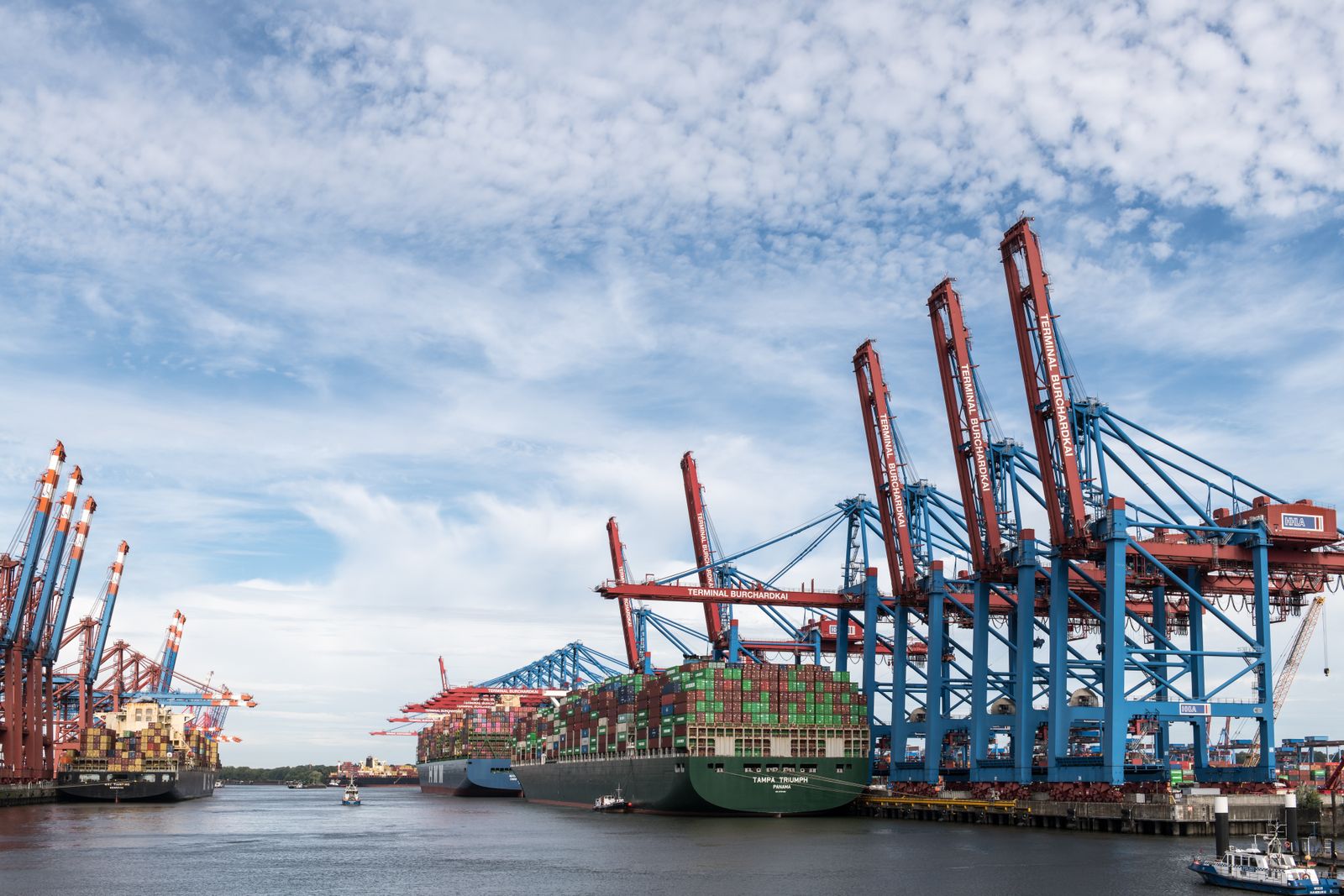
This coordination should happen before nonrefundable dates are booked. A feasible route with an unavailable destination lift is not a feasible transport plan, and a cheap trucking price can be overwhelmed by yard delay charges.
Compare intact and reduced transport configurations deliberately
For arches, antennas, towers, masts or other removable structures, ask for two complete scenarios when practical: move with the item installed, or remove it and move a lower profile. The lower road envelope may reduce route complexity, but removal can add specialist labor, separate parts transport, storage and reinstallation. Require the responsible technical party to decide what can safely be dismantled; the carrier should not be forced to make a vessel-engineering decision at pickup.
The sailboat transport cost guide gives extra attention to mast and rigging work. For the overall sequence from measurement through handoff, use how to transport a yacht. Keep those planning steps connected to the actual quote rather than treating them as optional preparation.
Assign coverage and condition records at every custody change
Road carriage, yard lifts and storage may involve different businesses and different coverage. Ask each supplier where its responsibility starts and stops, and who handles a claim if damage is first noticed after a transfer. Photograph the hull, underwater gear, rails and removed components before the first lift and again at major handoffs where practical.
Name the people authorized to approve a route change, extra dismantling or delay expense. If weather or a route restriction moves the schedule, the carrier and both yards should know who can make the decision. This turns the cost estimate into an executable plan instead of a collection of unrelated supplier prices.
Keep uncertain items visible rather than hiding them in a contingency percentage
List unresolved survey dimensions, route permits, escorts, lifts, dismantling, storage and reinstatement individually. Ask for a firm amount where the supplier can provide one and a clearly labelled allowance where it cannot. A broad contingency percentage may be convenient for budgeting, but it should not replace the work of discovering which item is uncertain and why.
Before booking, total the committed items and keep allowances in a second column. That structure makes later changes auditable and lets you compare two genuinely feasible yacht configurations without inventing a nationwide road-transport rate.