
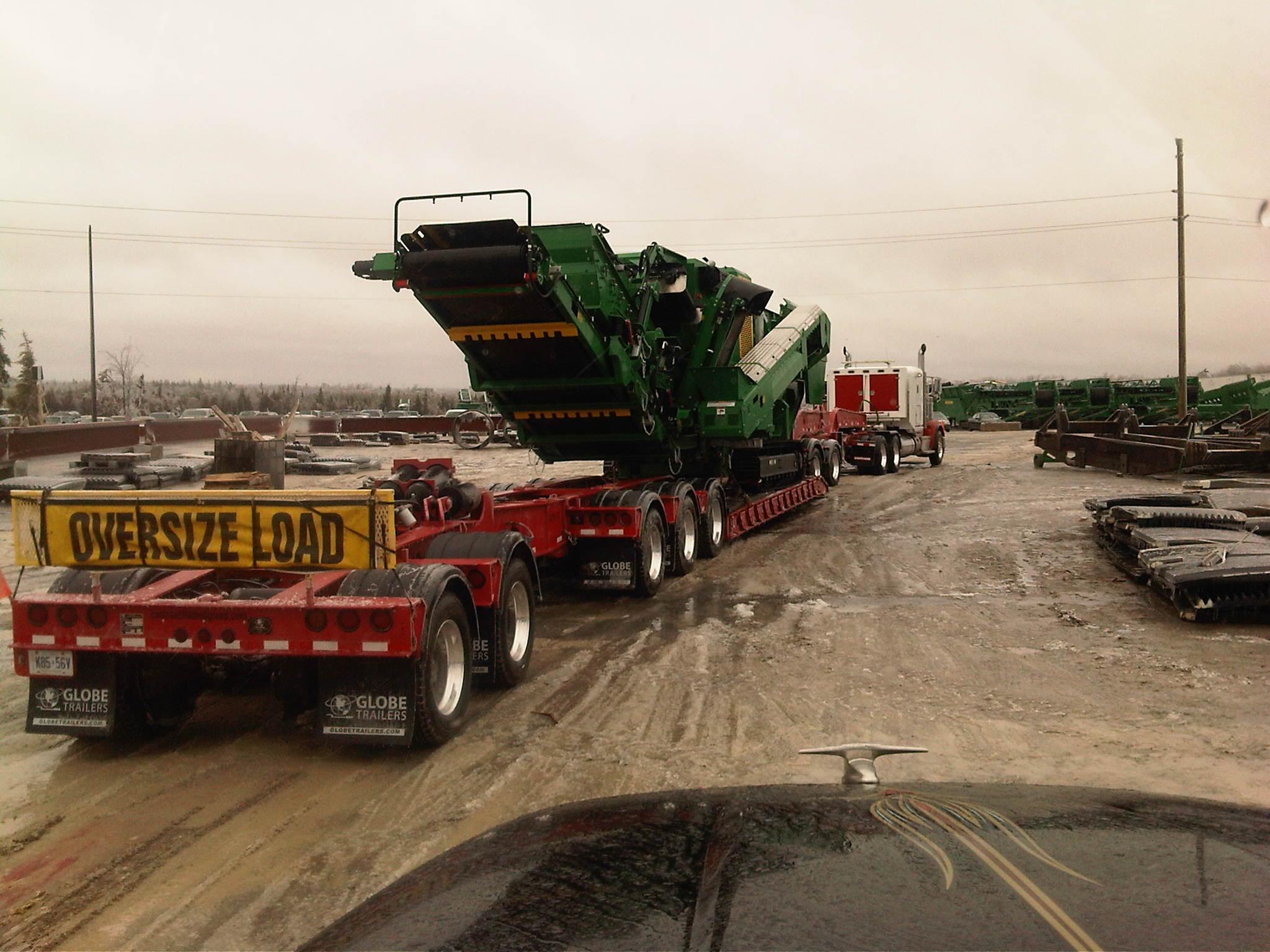
For heavy equipment hauling in Nashville, quote the load after dismantling decisions are known, not from the machine model alone. The transport dimensions, separate attachments, mechanical condition, and responsibility for disassembly should be explicit.
Describe the prepared load
Provide actual weight and transport dimensions, including the trailer arrangement where established. Identify attachments to remove, separate pieces and any mechanical problem that changes loading. Ask who performs dismantling and reassembly rather than leaving it under an undefined “handling” charge.
Set the Nashville loading and unloading responsibility before dispatch
A reliable heavy equipment hauling nashville tn comparison keeps the exact machine configuration constant. For this Nashville decision, ask every provider to respond to machine dimensions, weight, attachments and travel configuration, including attachments or parts that will travel separately, and to identify any dimension or weight that still requires verification. In the Nashville plan, this prevents one offer from quietly assuming a smaller or easier load than another.
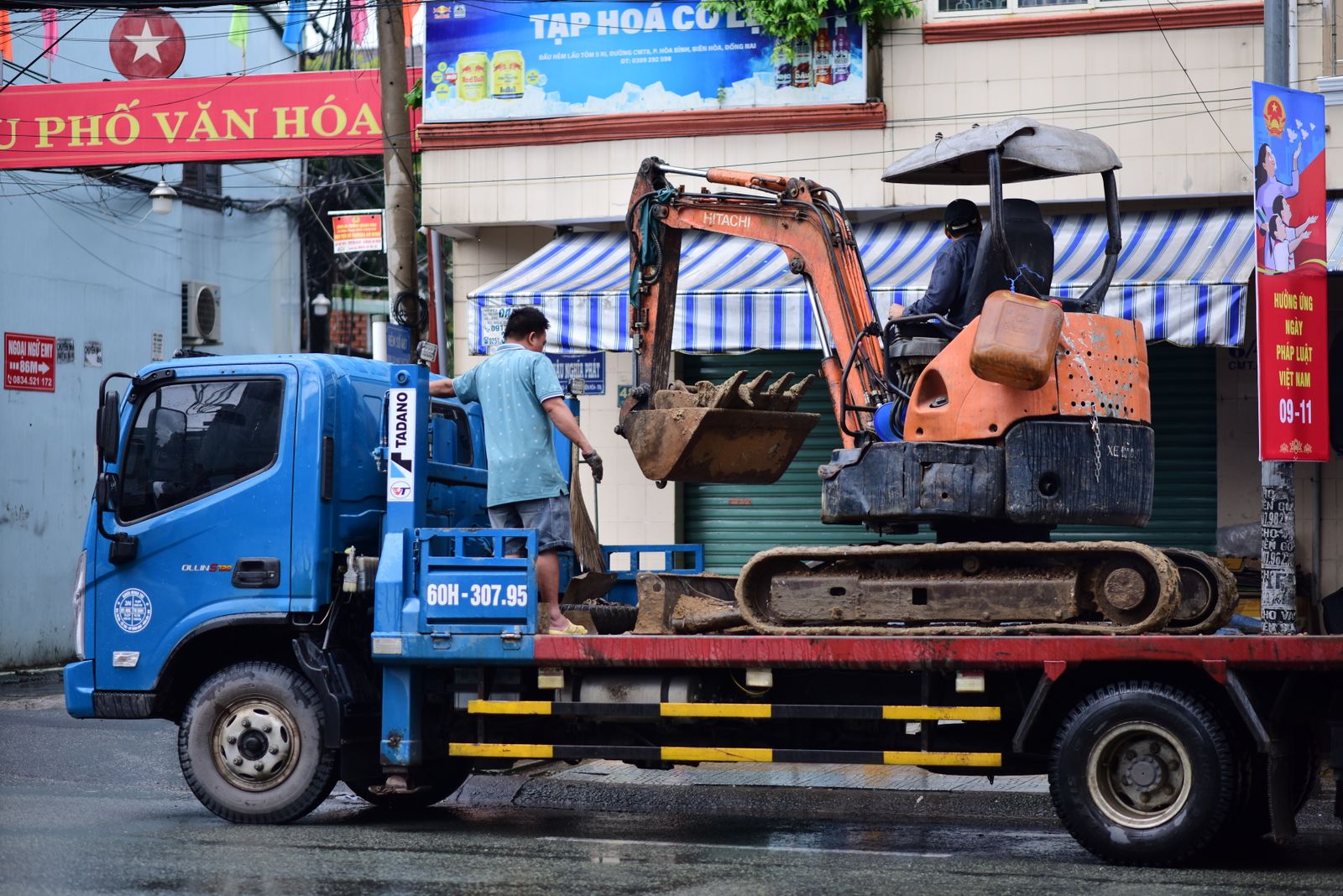
For Nashville, use site access, loading help and unloading equipment as a pre-dispatch acceptance test. Before the Nashville handoff, if the machine does not run, steer or brake as described, or if the site cannot provide the expected loading help, stop and revise the plan before the truck arrives. Before the Nashville handoff, put the new equipment, schedule and charge into the written scope so the operator and site contact work from the same instruction.
| Decision | Clarify | Acceptance test |
|---|---|---|
| Nashville machine profile | Nashville: machine dimensions, weight, attachments and travel configuration | Transport configuration verified |
| Site readiness | Nashville: site access, loading help and unloading equipment | Loading and unloading responsibility accepted |
| Route and price | Permit/equipment dependencies | Conditional work remains visible |
Turn this plan into comparable transport options
Use the actual vehicle, pickup and delivery details, timing and handling needs so every quote starts from the same scope.
Use the heavy-haul route information
TDOT publishes oversize and overweight maps and restrictions, including a Nashville oversize-truck route map. Have the hauler compare the proposed loaded configuration with the relevant current routing and permit information.
Nashville’s transportation department separately handles right-of-way permits. If staging, lifting or traffic control occupies public space, ask the responsible contractor which local approval is needed. A road-movement plan does not establish permission to use a job site or close a lane.
Tennessee DOT reference
Nashville DOT reference
Put a person in charge at each end
- Origin supervisor confirms access, preparation and release.
- Transporter confirms trailer, loading and securement responsibilities.
- Receiving supervisor confirms unloading equipment and suitable space.
- A named contact authorizes delays or changes to the agreed operation.
Where surface strength or lifting suitability is uncertain, have the relevant qualified person assess it. The driver should not have to invent an unloading operation on arrival.
Compare transport plus site work
Require quotations to allocate permit work if needed, escorts where applicable, loading assistance and waiting. Explain the consequences of a site not being ready and who pays for rescheduling. Photograph condition and inventory attachments before collection and after delivery.
Keep the date flexible until the operator accepts the machine and route. No specific Nashville carrier capability or current dispatch availability is established by this guide.