
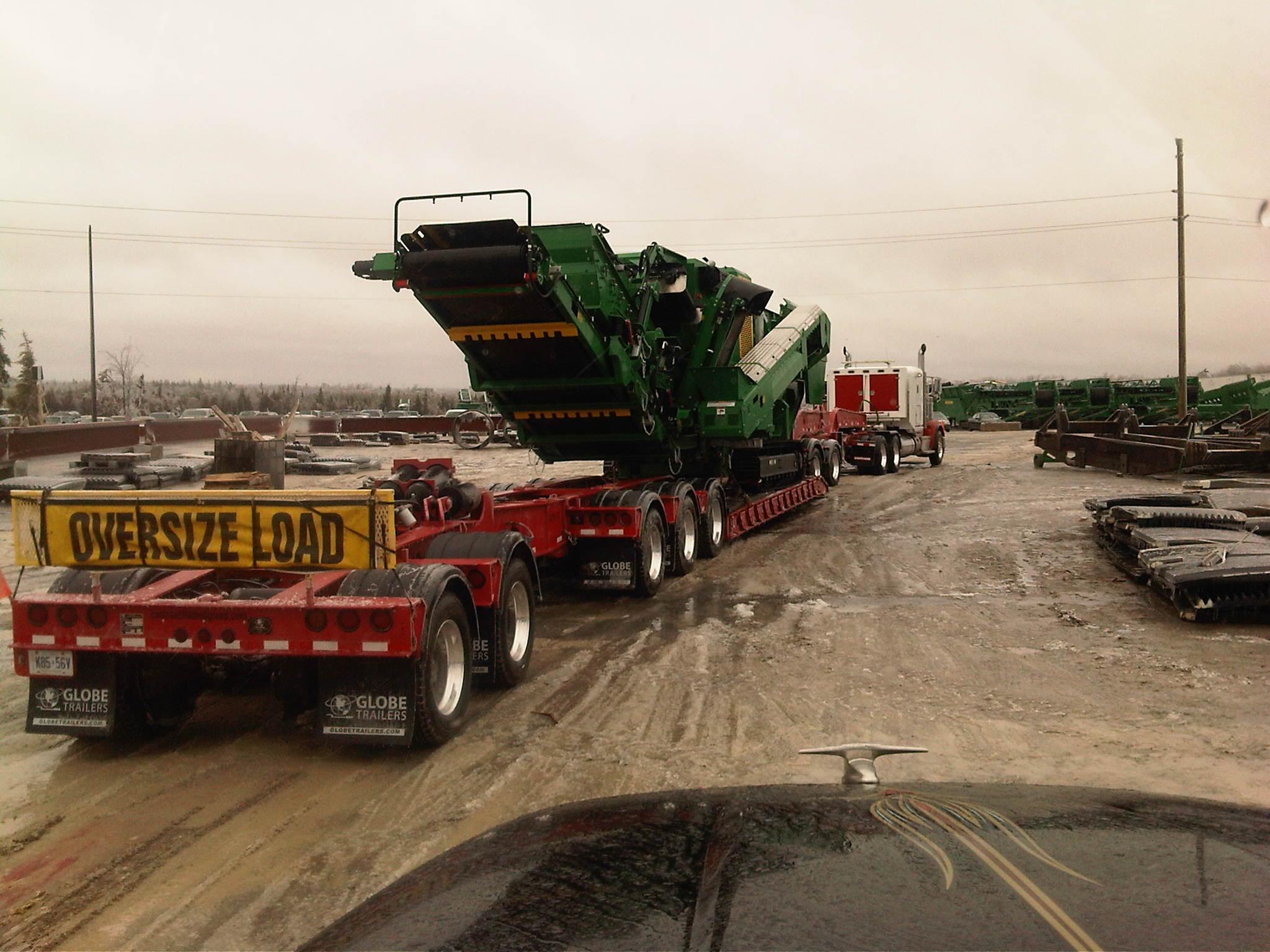
Choosing heavy equipment movers in Los Angeles requires comparing offers against the same prepared machine. The quote should reflect its final transport dimensions, attachments, operating condition, and any components that must be removed.
Require acceptance of the machine as prepared
Provide transport dimensions, weight, running condition and the attachments to be moved. Ask whether a blade, bucket, counterweight or other part must be removed and who performs that work. The quotation should describe the resulting loads rather than rely only on a model name.
For non-running equipment, have the mover specify the recovery and loading arrangement. Do not assume a conventional collection truck supplies a crane or can reach the machine’s current position.
Connect the Choosing heavy equipment movers in Los Angeles loading method to route and permit decisions
A reliable heavy equipment movers los angeles comparison keeps the exact machine configuration constant. Before the Choosing heavy equipment movers in Los Angeles handoff, ask every provider to respond to machine dimensions, weight, attachments and travel configuration, including attachments or parts that will travel separately, and to identify any dimension or weight that still requires verification. For this Choosing heavy equipment movers in Los Angeles decision, this prevents one offer from quietly assuming a smaller or easier load than another.
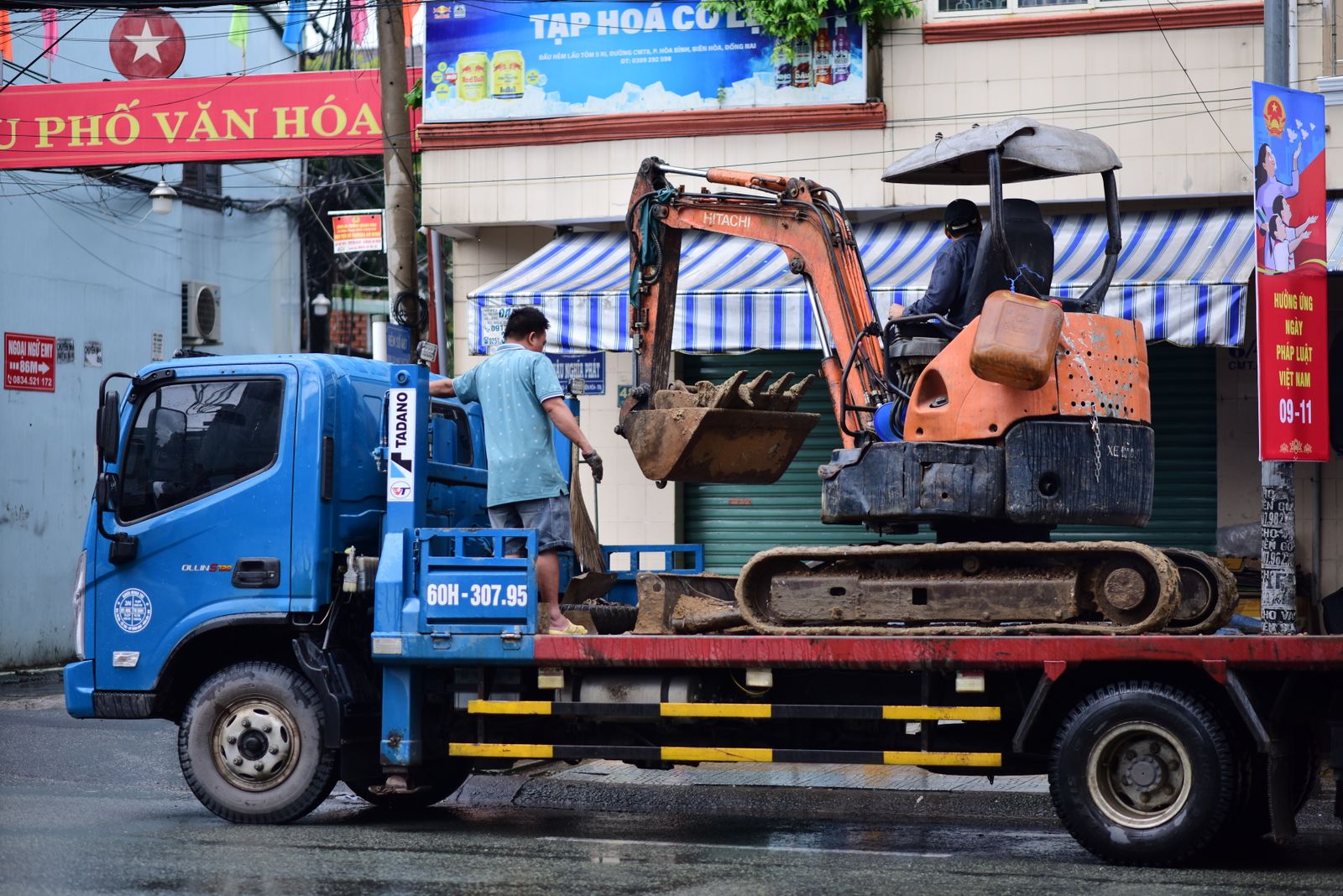
On the Choosing heavy equipment movers in Los Angeles move, use site access, loading help and unloading equipment as a pre-dispatch acceptance test. For Choosing heavy equipment movers in Los Angeles, if the machine does not run, steer or brake as described, or if the site cannot provide the expected loading help, stop and revise the plan before the truck arrives. For Choosing heavy equipment movers in Los Angeles, put the new equipment, schedule and charge into the written scope so the operator and site contact work from the same instruction.
Choosing heavy equipment movers in Los Angeles machine profile
Choosing heavy equipment movers in Los Angeles: machine dimensions, weight, attachments and travel configuration
Transport configuration verifiedSite readiness
Choosing heavy equipment movers in Los Angeles: site access, loading help and unloading equipment
Loading and unloading responsibility acceptedRoute and price
Permit/equipment dependencies
Conditional work remains visibleTurn this plan into comparable transport options
Use the actual vehicle, pickup and delivery details, timing and handling needs so every quote starts from the same scope.
Separate the highway permit from city access
Caltrans issues special transportation permits for oversize and overweight movements on the State Highway System. Its guidance directs local-road matters to the relevant local authorities. Ask the mover to explain how the full Los Angeles collection or delivery approach is covered.
A state permit does not grant use of a work site or authorize occupying a city lane. If staging or lifting extends beyond private property, have the responsible contractor resolve the applicable street-use approval before dispatch.
Caltrans reference
Caltrans reference
Agree who controls each operation
| Operation | Named responsibility |
|---|---|
| Preparation | Disassembly, fluid concerns and transport-ready condition |
| Loading | Qualified operator, lift or ramps and suitable staging area |
| Carriage | Trailer, securement, route review and relevant permissions |
| Unloading | Receiving equipment, site contact and acceptance inspection |
Operation: Preparation
Named responsibility: Disassembly, fluid concerns and transport-ready condition
Operation: Loading
Named responsibility: Qualified operator, lift or ramps and suitable staging area
Operation: Carriage
Named responsibility: Trailer, securement, route review and relevant permissions
Operation: Unloading
Named responsibility: Receiving equipment, site contact and acceptance inspection
Use one scope for every bidder
Compare transport with the same measurements, date window and site limitations. Ask about waiting time, unsuccessful access, additional equipment and storage if the destination is not ready. Verify the contracting business and applicable coverage for the work it actually undertakes.
Retain photographs and attachment inventories at custody changes. A useful proposal makes the gaps visible; an unsupported “full service” label does not tell you who pays when a lift or permit is missing.