
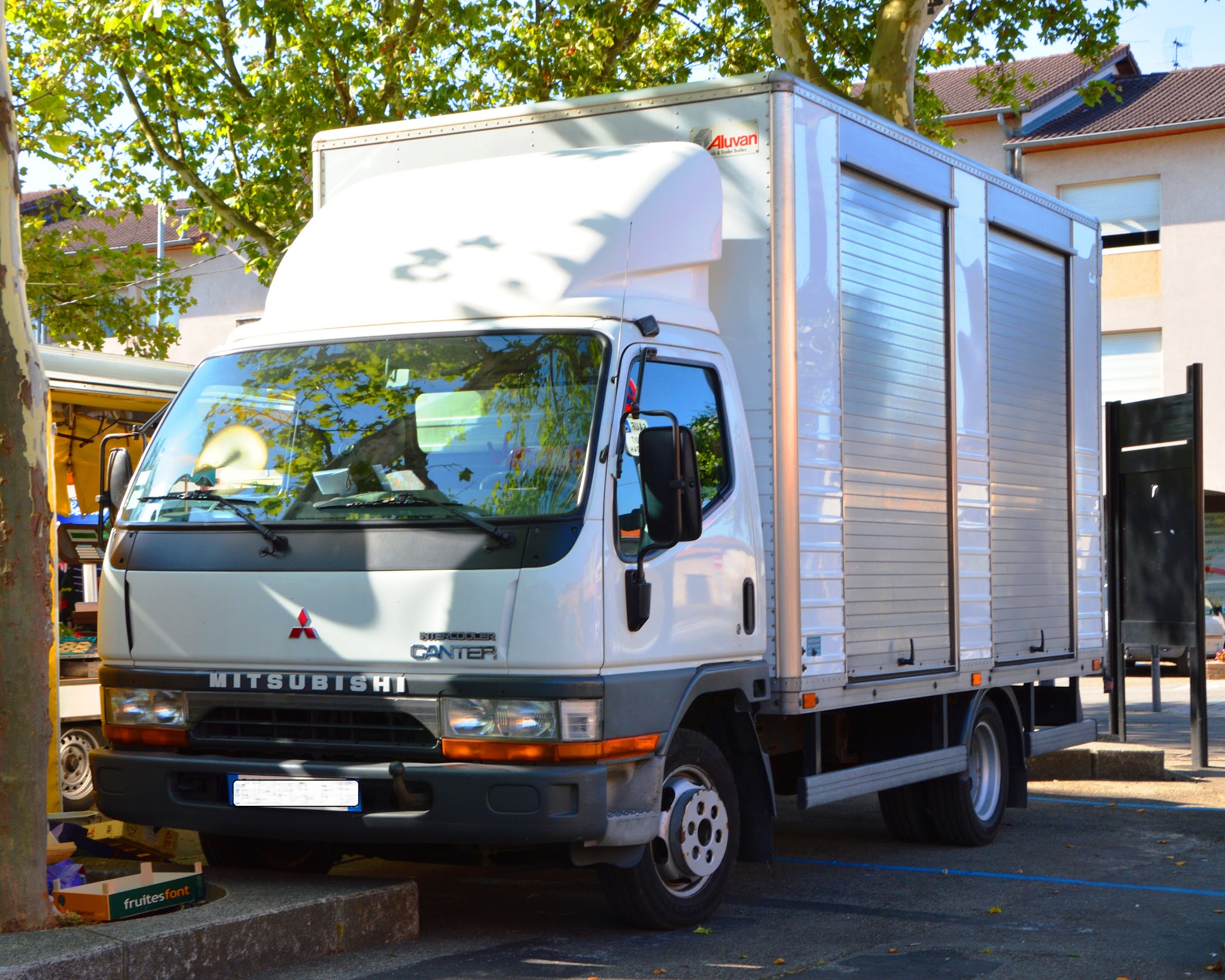
For Auto Truck Transport Joplin MO, match the truck’s actual transport configuration to the carrier equipment and the pickup and delivery sites. Match the loading site to the equipment required for the truck.
Define the Auto Truck Transport Joplin MO truck before choosing equipment
A Auto Truck Transport Joplin MO request should distinguish the vehicle being moved from the equipment moving it. A pickup, box truck, road tractor or non-running commercial vehicle can require different loading and securement arrangements, so the provider should accept the truck profile before a final equipment assignment is treated as settled. For commercial vehicles, compare the profile here with box-truck transport planning where that vehicle type actually matches.

At release and delivery, identify who has authority over the truck and who can sign the condition record. If the plan changes to a different staging point or method, update both contacts and the written charge. This keeps a property-access change from becoming an undocumented service change. A larger road tractor may require a different method; semi-truck hauling guidance explains that distinction.
Auto Truck Transport Joplin MO truck profile
Dimensions, weight information and running condition
Carrier can select suitable equipmentLoading/site fit
Approach, staging and loading resources
Property constraints are acceptedMovement scope
Line haul, local work and changed-site terms
Total responsibility remains visibleTurn this plan into comparable transport options
Use the actual vehicle, pickup and delivery details, timing and handling needs so every quote starts from the same scope.
Joplin’s freight network is organized around I-44, I-49 and Route 249
The Joplin Area Transportation Study identifies I-44 as the primary east-west freight corridor, I-49 as a major north-south freight route and Route 249 as a connector between them. That makes the exact delivery side of Joplin important for a truck transport plan.
Provide the truck’s real dimensions, weight, operability and the street-level handoff. The carrier should choose the freight-compatible approach and verify any local size or access constraint that applies to the actual property.
Use Joplin freight corridors to choose the approach side, not the loading method
The cited I-44, I-49 and Route 249 network helps frame regional access, while the transported truck profile still determines the carrier equipment.
Match the Joplin site to the equipment required for the truck
Confirm the exact property, loading method and operability after the provider has identified the equipment it expects to use.
Make Joplin loading and unloading symmetrical
Ask whether the transported truck can be driven, rolled or steered onto the proposed equipment and what assistance is required if it cannot. Repeat the same check for unloading at destination; a provider that can recover the truck at origin may still need different working space or equipment at receipt. Name the people who can authorize a changed staging point and require any local tow, lift or waiting charge to be confirmed before the move proceeds.