
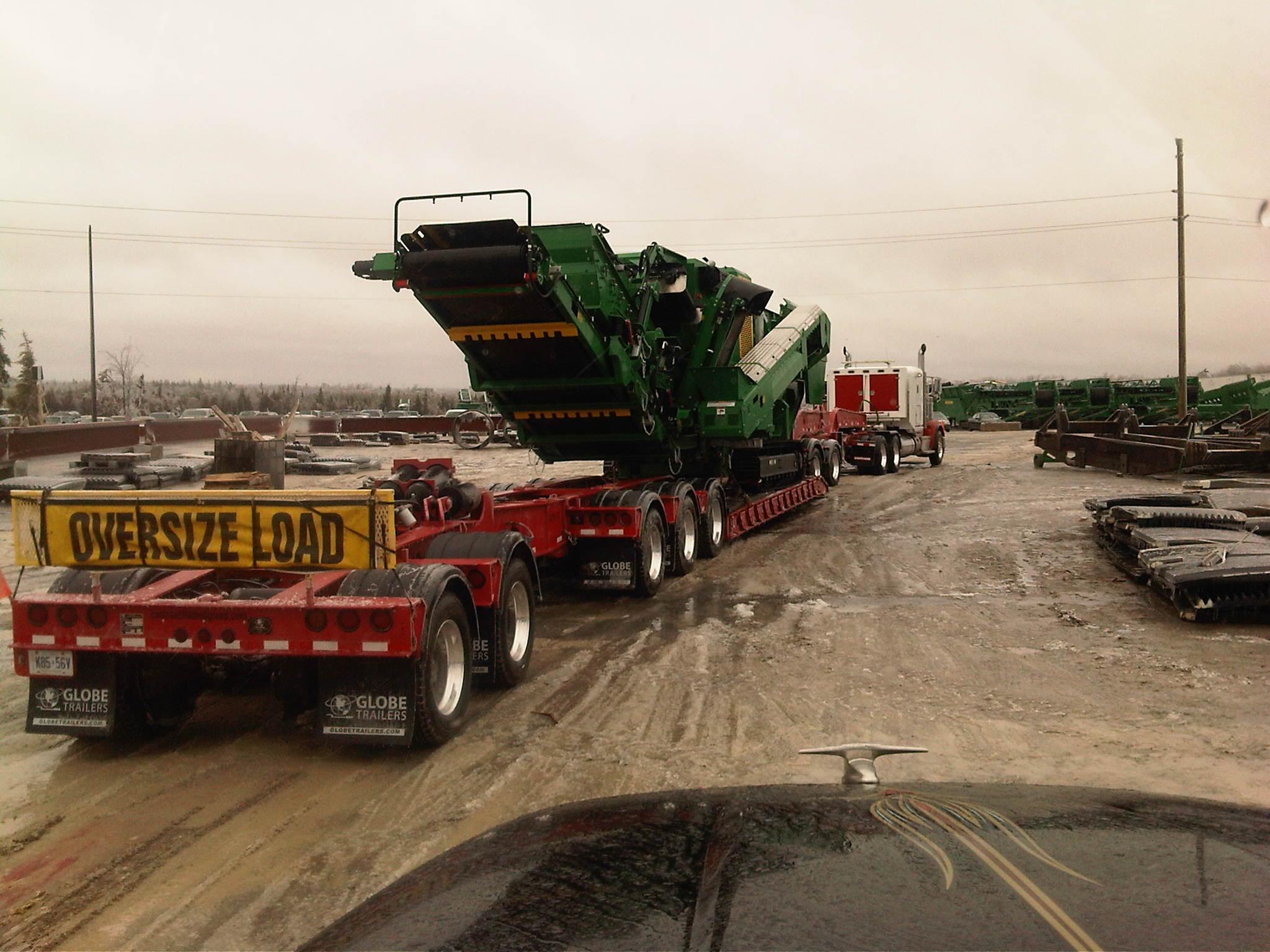
For Tractor Transport Reviews, compare like with like: the same transport method, similar vehicle or equipment, and a review period relevant to the current offer. Separate checkable facts from review signals.
Separate checkable facts from review signals
For interstate auto shipping, FMCSA registration is a role check: confirm whether the firm is brokering the move or operating as the carrier before relying on its written offer.
Use Tractor Transport Reviews reviews to test a defined offer
For Tractor Transport Reviews, recency and service match matter more than dramatic wording. A review about a different vehicle type, route, terminal or transport method may still reveal a process issue, but it should not be treated as direct evidence about your planned shipment without checking the overlap. For equipment-specific context, compare the reviewed service with tractor transport planning.

Positive tractor-transport reviews need the same scrutiny as negative ones: identify the provider, the equipment or tractor moved and the service circumstances before treating the outcome as relevant. A favorable story about a different job can still reveal process behavior, but balanced review reading means testing comparable facts on both sides rather than counting approval versus criticism.
| Decision | Clarify | Acceptance test |
|---|---|---|
| Identity | Correct company/service and role | Review belongs to the right subject |
| Service match | Method, vehicle/equipment and route context | Like-for-like evidence |
| Contract question | Repeated theme converted to a term to verify | Review informs rather than replaces due diligence |
Turn this plan into comparable transport options
Use the actual vehicle, pickup and delivery details, timing and handling needs so every quote starts from the same scope.
Keep tractor review signals separate from equipment acceptance
For tractor transport, recurring comments about loading communication or handling are most useful when they can be translated into questions about dimensions, mobility and the loading method. Ask the current provider to answer those questions for the actual tractor and site. Review history is time-sensitive consumer evidence; authority or registration records and the written shipment scope remain separate evidence layers and should not be merged into a site-generated score.
Use handling questions as a review criterion
Cargo securement is not just a generic promise: federal rules govern commercial vehicle loads, which makes the object’s condition, size and loading method relevant to the provider’s plan.
Treat changing review signals as time-sensitive
A review page should distinguish current third-party feedback from facts that can be independently verified. Vehicle Transport Help does not assign a fabricated score, claim firsthand testing or imply an affiliation with the provider.
Match tractor reviews to the machine and loading problem
Give more weight to reviews that identify a comparable tractor size, mobility condition, loading method or site constraint. If several reports mention delays around ramps, winching, transfers or unloading, ask the current provider who supplies that equipment and when an added charge becomes binding. The useful outcome is a clearer written transport scope for the actual tractor, not a generalized reputation score.