
Record the model and serial number, actual dimensions and available weight documentation. A bare-tractor specification may omit a loader, wheel weights, fluid ballast or rear implement. Tell the hauler which items remain on the machine and which need separate deck space. Ask who verifies the final load before equipment is assigned.
Use the manual for this tractor
John Deere provides model-specific operator manuals with transport instructions. Use the equivalent manual for your make and model, including attached equipment. Have a qualified operator prepare the machine; this guide is not a substitute for instructions on lowering, locking or securing components.
Do not assume a machine that starts can safely climb a trailer. Report steering, braking, tire and hydraulic problems before collection. A disabled tractor may require a different loading proposal.
John Deere reference
Agree on people and equipment
- Who supplies the operator at the farm or auction yard?
- What trailer and loading assistance are proposed?
- Can the truck reach a suitable loading area?
- Who removes and inventories detached implements?
Let the carrier assess rated equipment, securement and the loaded combination. Ask it to identify any route or permit work included in the price.
Make unloading part of the contract
Arrange a receiving contact who has permission and suitable space for the operation. Photograph the tractor and account for attachments before release; compare that record at delivery. Request written terms for waiting, a failed loading attempt and any change in machinery condition. A transport total is useful only when both ends of the job can be performed.
Inventory the tractor and every implement that will travel
Begin with the tractor’s make, model, serial number, reliable weight and dimensions, then add the real configuration: loader, bucket, mower, forks, ballast, dual wheels or other implements. Mark which items remain attached and which will be removed. A hauler may be able to carry the tractor itself on one trailer but need a different arrangement once a loader or wide implement is included.
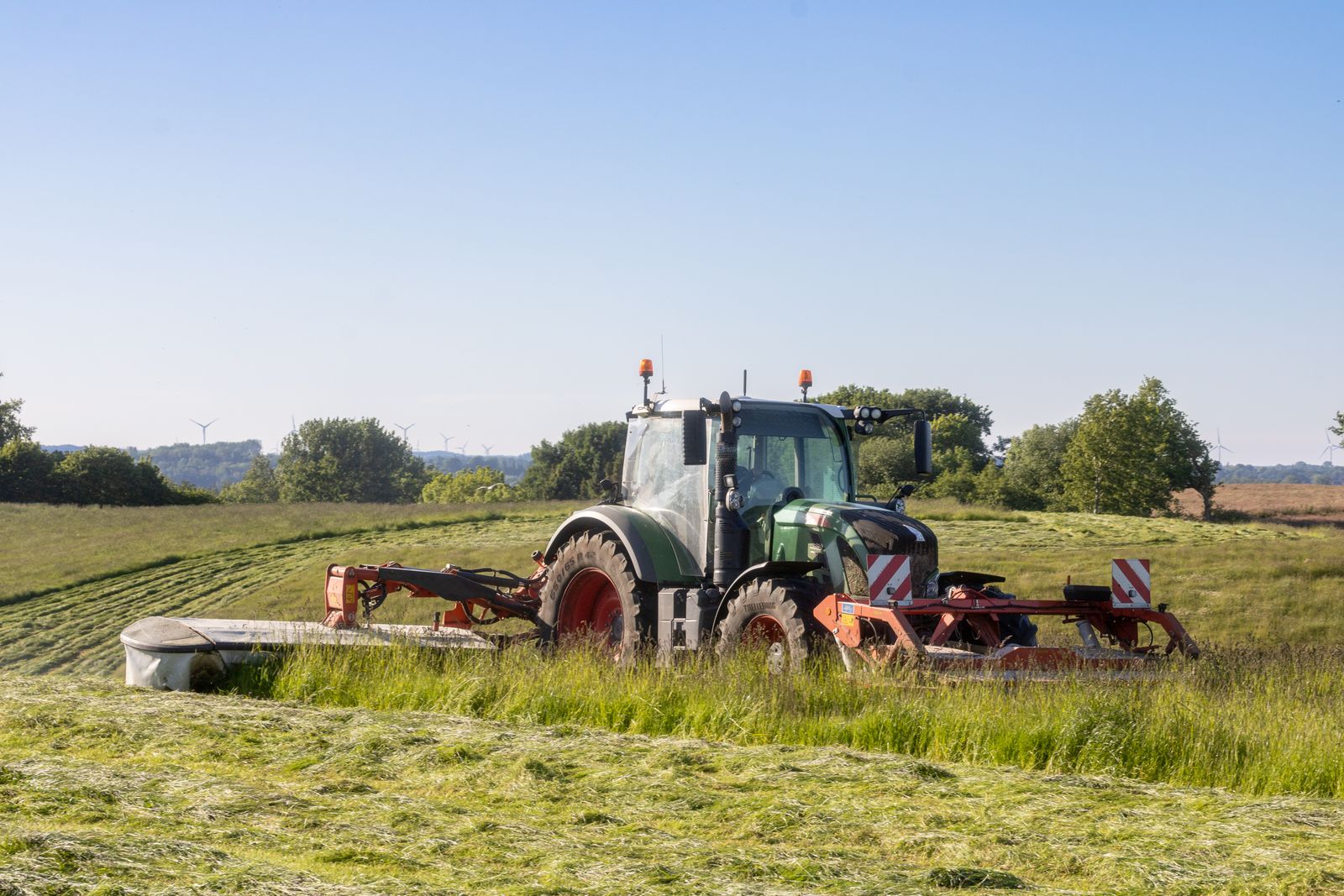
If you are budgeting a long route, the tractor cross-country cost guide shows why attachment handling and farm access should be priced alongside the haul.
Use the tractor manual to establish the transport configuration
Follow the model-specific operator manual and qualified technical guidance for lowering, locking, folding or removing components. Do not copy hydraulic, battery or attachment procedures from another tractor. If something must be dismantled to meet the transporter’s height or width plan, identify who performs the work and who reinstalls it at destination.
Tell the carrier about tire, steering, brake and hydraulic problems. A tractor that starts may still be unsafe or impractical to drive onto transport equipment. The loading plan should reflect its real mobility.
Turn this plan into comparable transport options
Use the actual vehicle, pickup and delivery details, timing and handling needs so every quote starts from the same scope.
Create a farm or auction loading point the truck can actually reach
Long trailers need more than a street address. Describe gates, lanes, soft ground, overhead branches, culverts, slopes and turning space. If the tractor is in a field or building the transporter cannot reach, establish an accessible staging point and decide how the machine gets there. Auctions and dealerships may require appointments, release numbers or limited collection hours; confirm them before dispatch.
The receiving site needs suitable unloading space and an authorized operator or receiver. If weather can make the site unusable, decide who can postpone the appointment and how waiting or redelivery is priced.
Let the hauler confirm trailer fit, securement and route
Give accurate machine and attachment data, but let the professional carrier select rated equipment and establish securement. If the loaded combination is oversize or overweight, ask which party obtains permits, whether escorts or route surveys are included and which dimensions the plan relies on. A shorter passenger-car route is not evidence that a loaded tractor transport can use the same roads.
For broader machinery planning, the heavy-equipment shipping guide covers these route and loading responsibilities across machine types.
Close custody with photos and an attachment count
Photograph the tractor and implements before release, note serial or identifying information, count keys, and list removed parts. At delivery, compare the same inventory and condition record. If reviews are part of your provider research, the tractor transport reviews guide can supply questions, but the accepted contract and actual equipment plan still control the move.
If the tractor is purchased remotely, ask the seller or auction to provide current photographs and confirm which implements are included before the carrier is assigned. A listing photo can show equipment that is not part of the sale, while a detached implement may be stored elsewhere on the property. Reconcile the transport inventory with the sale inventory first.
The transport is ready when the tractor configuration, loading point, trailer plan, route responsibility, destination and receiver have all been resolved—not merely when a carrier has quoted mileage.