
Provide length, width, height and reliable weight for the tractor as shipped. Explain which attachments remain installed and which travel separately. If removing wheels or equipment might reduce dimensions, obtain technical advice and a price for reinstatement before treating that option as a saving.
Create an inventory that matches the trailer load
Send photographs and model information, but identify any uncertainty in the measurements. List each implement with dimensions and weight. A seller’s statement that everything fits together on the farm does not tell the hauler how it fits or is secured on a transport trailer.
Loading at a farm is part of the service scope
Describe the approach, gates, surface and available turning space. State whether the tractor runs, rolls, steers and brakes, and name the person who can operate it. Ask who supplies ramps or other loading assistance and whether the receiving farm can use the same method.
Clean enough to expose condition and identify leaks before handover, following any specific carrier or destination instructions. For a machine in a field or shed, agree how it reaches the accepted loading surface. Do not leave extraction from soft ground as an unpriced surprise.
Compare a full-load estimate
| Cost group | Include in the comparison |
|---|---|
| Preparation | Removal and reinstatement of parts, if chosen |
| Transport | Tractor, all implements and agreed endpoints |
| Route requirements | Assessment, permits and escorts where applicable |
| Handling | Loading assistance, unloading and waiting terms |
Cost group: Preparation
Include in the comparison: Removal and reinstatement of parts, if chosen
Cost group: Transport
Include in the comparison: Tractor, all implements and agreed endpoints
Cost group: Route requirements
Include in the comparison: Assessment, permits and escorts where applicable
Cost group: Handling
Include in the comparison: Loading assistance, unloading and waiting terms
FHWA identifies oversize and overweight permitting as a state process. Ask the carrier to price the actual loaded dimensions across the proposed route; do not assume one permit or an ordinary car-shipping rate applies. FHWA
A hypothetical $2,500 haul plus $400 attachment handling plus $300 route allowance is a $3,200 provisional budget. These figures are only a worksheet example. Replace the allowance with confirmed scope before describing the total as fixed.
Protect the receiving plan and the evidence
Schedule an operator and suitable unloading space at destination. Ask what happens if the tractor arrives after the property closes or the ground becomes unsuitable. Identify a holding option and the party paying for delay.
Record serial numbers, attachment inventory and visible condition before release. Obtain coverage and claims terms for the load as listed. Compare receipt against that inventory so a missing implement or damaged attachment is addressed while the shipment records are available.
Turn this plan into comparable transport options
Use the actual vehicle, pickup and delivery details, timing and handling needs so every quote starts from the same scope.
Price the tractor and implements as one transport project
A cross-country tractor move can look inexpensive until the attachments are treated as separate cargo. Give the hauler an inventory of loaders, buckets, mowers, forks, ballast, dual wheels or other implements that travel with the tractor. State which items remain mounted and which are removed. Ask how each removed part will be supported and secured on the same or a different trailer. If a second vehicle is required, that is a service change, not a small accessory charge.
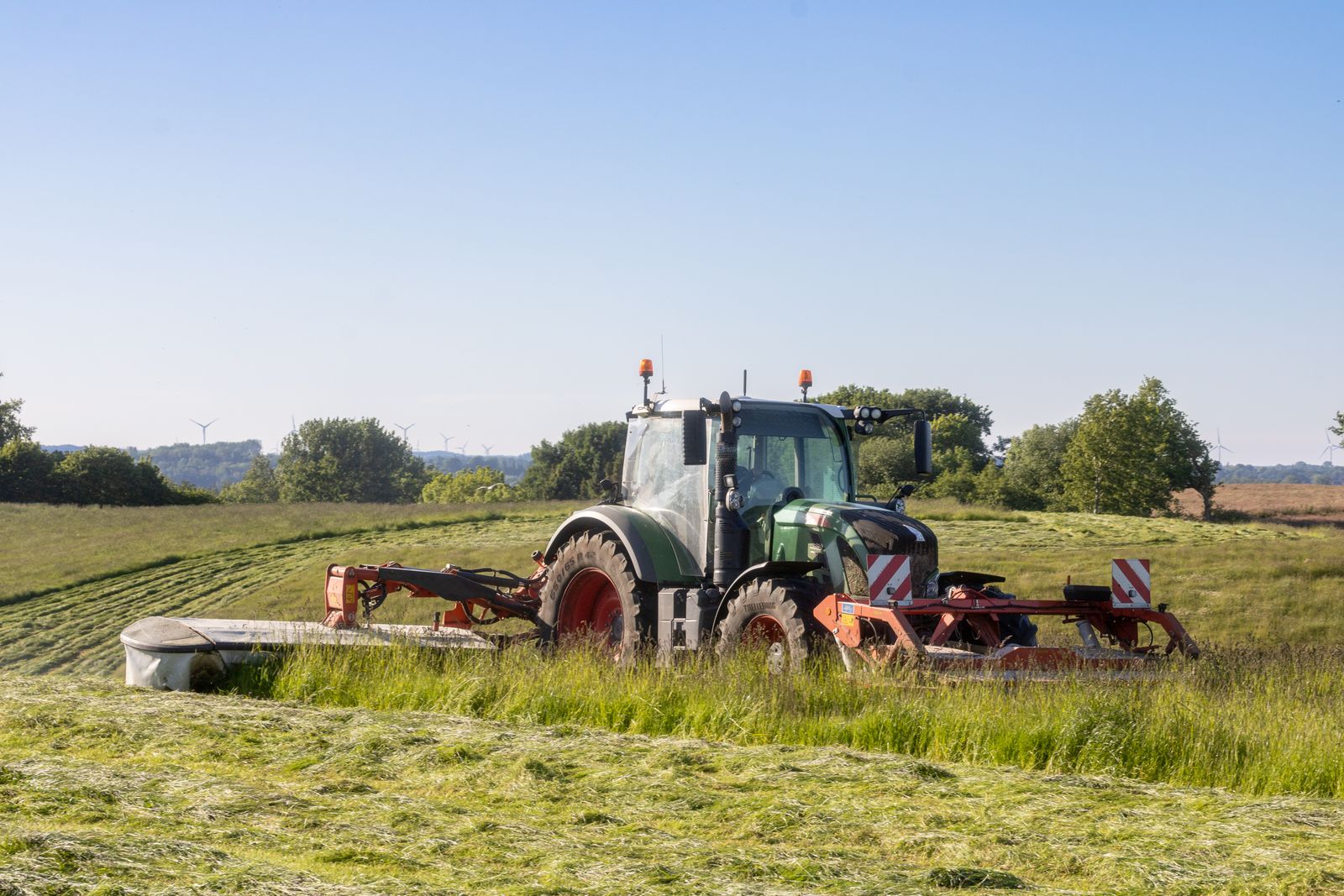
Use the measurement and preparation sequence in how to transport a tractor before requesting final prices. The important dimensions are the dimensions of the load that will actually travel. If removing a loader or wheel changes the route requirements, compare the saved transport cost against the labor, separate handling and reinstatement cost instead of assuming dismantling is automatically economical.
Make farm access part of the bid
A tractor may be stored far from pavement, inside a low shed or behind gates that a long trailer cannot negotiate. Send photographs or a clear description of both sites and agree on a firm loading point. If the machine is not roadworthy enough to move from its storage position to that point, arrange recovery separately and disclose it to the hauler. The receiving farm needs the same analysis: suitable surface, turning room and an authorized person who can operate or unload the tractor.
Ask how waiting is charged if a field becomes inaccessible, a gate is locked or the receiver is not ready. For seasonal work, the cost of a missed operating date can exceed the difference between two quotes, so compare schedule terms with the price rather than treating them as unrelated.
Close the quote with a load record
Before pickup, keep the agreed dimensions, serial number, implement inventory and photographs together. Confirm which party is responsible for permits and route restrictions based on the loaded configuration. At delivery, compare the same inventory and document visible condition before the truck leaves where practical.
If you want an outside signal about provider performance, tractor transport reviews can generate questions to verify, but the current contract still controls your actual movement. The cost comparison should end with a specific accepted load and two workable sites, not with a generic cross-country mileage rate.