
Bowling Green To Boise becomes a real transport job only after both custody points and access conditions are defined. Boise truck-access context is a destination check, not an origin rule.
Boise truck-access context is a destination check, not an origin rule
Kentucky’s freight planning is statewide context for the Bowling Green origin. Boise’s downtown truck-delivery/access work is the more operational destination evidence, so the carrier should accept the Boise property and local approach explicitly.
Resolve the Bowling Green To Boise local handoffs before dispatch
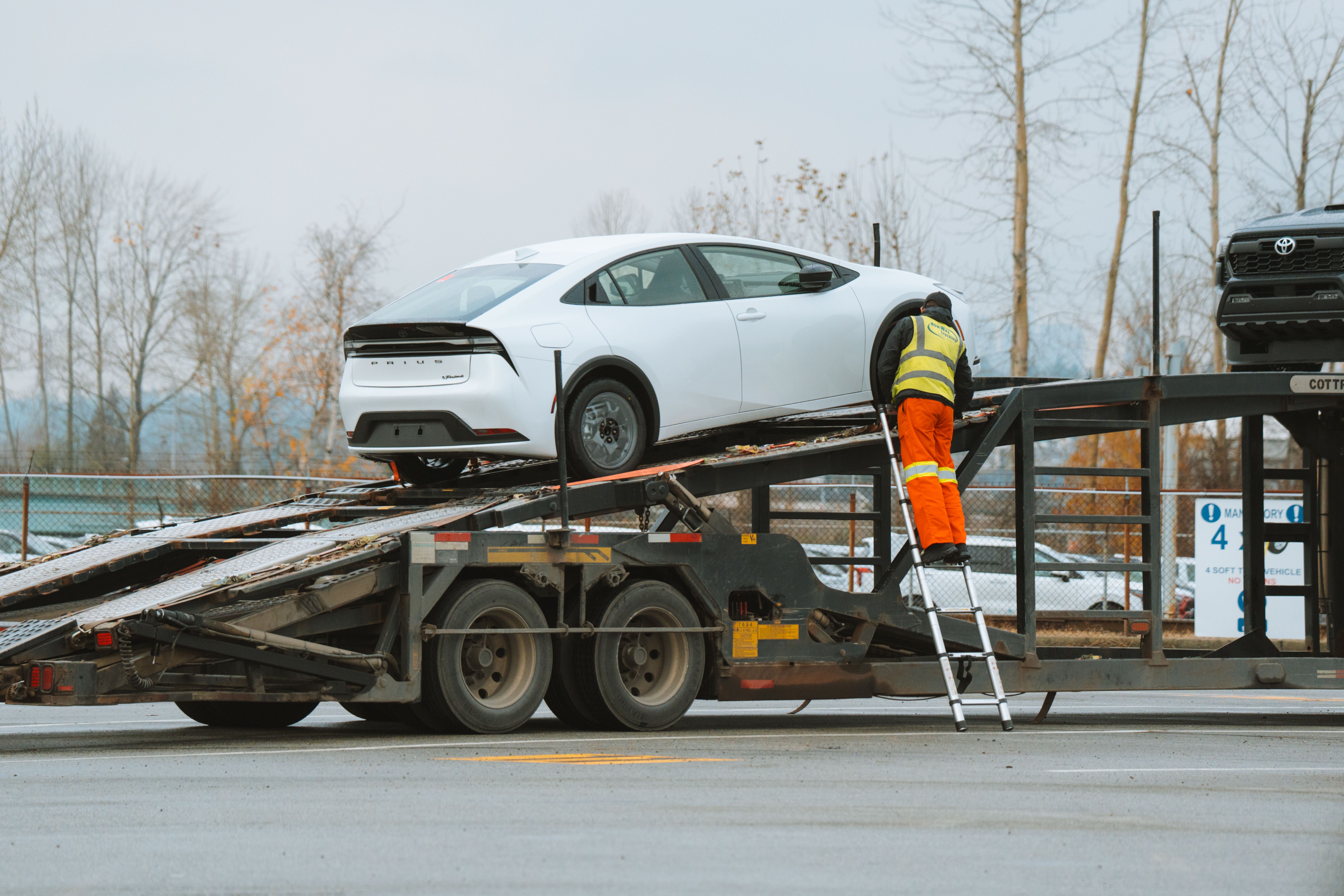
A useful Bowling Green To Boise comparison holds the vehicle and two handoffs constant while providers explain different equipment, timing or carrier assignments. Ask which parts of the quote remain conditional and what information would make them final. This is more informative than comparing lane prices built on different assumptions about access or readiness. If equipment remains undecided, use open vehicle transport to compare exposure and loading assumptions on the same route.

A Bowling Green-to-Boise move needs two informed people, not just two addresses. The releaser should know which carrier is collecting the car, while the Boise receiver should have the pickup condition reference and arrival terms. Keep unrelated registration tasks separate. If the transporter cannot use a property, measure the change against door-to-door pickup and delivery and assign responsibility for moving the vehicle to the substitute point.
Turn this plan into comparable transport options
Use the actual vehicle, pickup and delivery details, timing and handling needs so every quote starts from the same scope.
Pickup handoff
Exact property, releaser and truck access
Origin is executableLine-haul scope
Vehicle condition, equipment and conditional steps
Offers describe the same jobDelivery handoff
Receiver, access and fallback authority
Destination is executableTreat Boise access as a receiving-site question
For Bowling Green-to-Boise transport, use Boise truck-route information only as context for the destination side and still confirm the exact receiving property with the carrier. Pair that with the Bowling Green releaser, vehicle condition and pickup access in one brief. A route or property change should trigger a written update to the custody point and any extra local movement before dispatch continues.
Destination evidence: Boise truck-route guidance
The useful evidence from Boise truck-route guidance concerns Boise truck-route context. Verify carrier arrangements independently.
Make custody explicit at both ends
The move should state where loading happens, where unloading happens and who can authorize each transfer; otherwise the route remains only a label.
Separate scope changes before price
Build the comparison around a fixed shipment brief, then inspect where providers differ in equipment, handoff or included responsibility.
Give the Boise receiver authority to handle an exception
Before pickup, identify a Boise receiver who can inspect the vehicle and approve an alternate handoff if the assigned equipment cannot use the first property. State whether that person may authorize waiting, storage or local movement and keep the Bowling Green departure photos with the delivery record. This turns destination truck-route context into an actual custody plan rather than a generic routing note.