
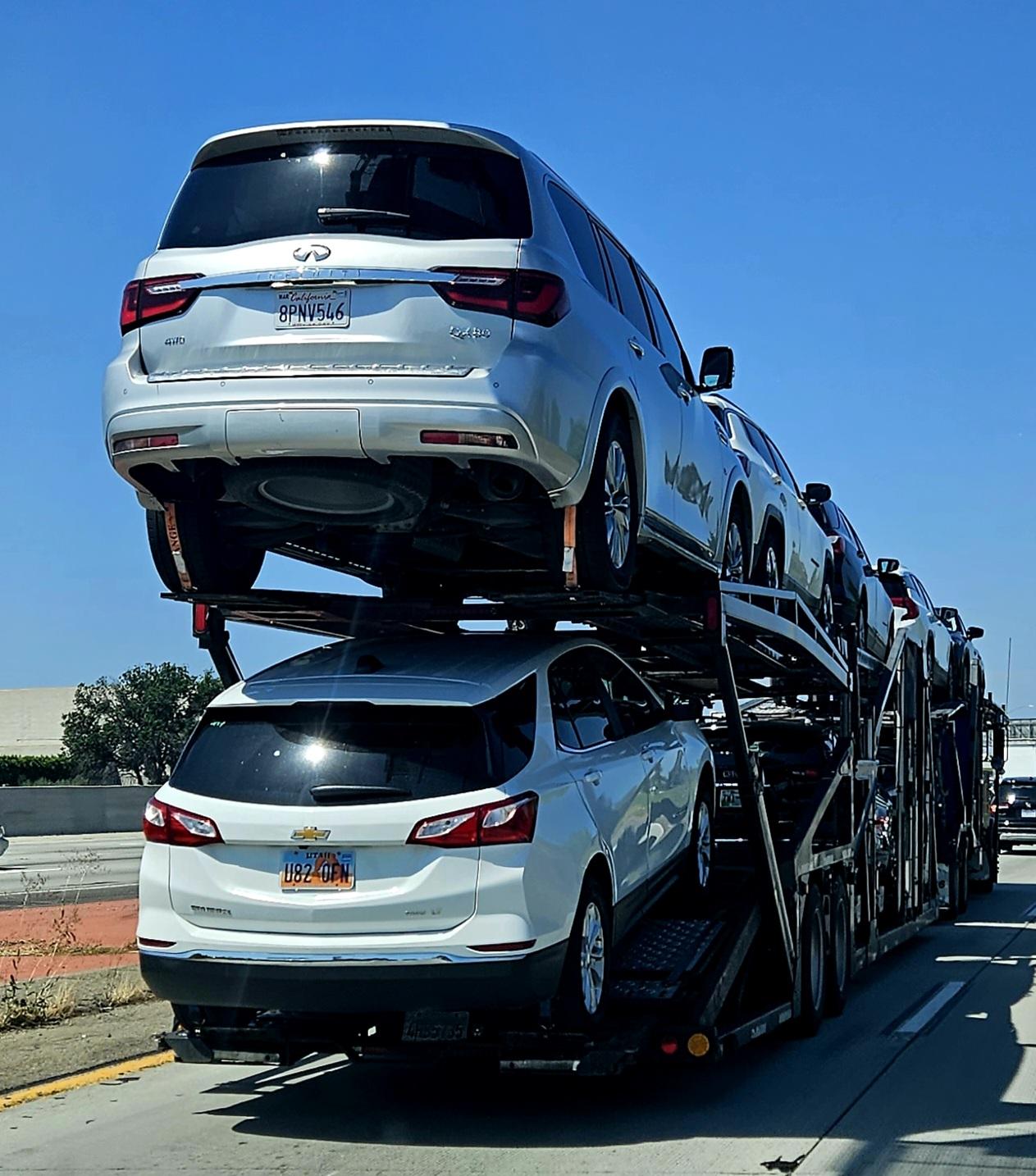
NYC DOT states that trucks and commercial vehicles cannot use most New York City parkways. NYC DOT trucks and commercial vehicles
Check city access only where it applies
-
Resolve property versus terminal scope
For a city destination, have the operator plan a commercial route and assess the unloading street. Do not direct a transporter using your passenger-car navigation. This city-specific point should not be presented as the complete road rule for every address in New York state.
-
Agree on equipment and records
Get the actual terminal address and collection conditions if one is proposed. Compare its total cost with delivery to your receiving property, including any onward carrier. If the car cannot run, ask how it will be unloaded and moved from the release site.
-
Give the receiver’s available dates and any property restrictions
Give the receiver’s available dates and any property restrictions before dispatch. Do not schedule an inflexible personal trip around an estimated arrival.
-
Confirm keys
Confirm keys, release authority and seller or shop conditions. Describe clearance and modifications when choosing open or enclosed service. Obtain the assigned hauler contact, total charge and cancellation rules.
-
Record condition at pickup and send the images and report to
Record condition at pickup and send the images and report to New York. The receiver needs the written inspection and claim process before signing at delivery.

Start with the San Diego property, not the freeway map
Give the carrier the exact San Diego pickup address, the person releasing the vehicle and any limitation that affects a large transporter. A gated community, apartment garage, dealer lot and repair facility may each require a different loading point. The San Diego transport page can help frame local questions, but the assigned operator must still accept the actual property. If it proposes a wider street or commercial meeting area, put that address into the booking and decide who drives or tows the car there.
State the vehicle’s real condition at collection. Include clearance changes, modifications and whether it starts, steers and brakes normally. If you are comparing open and enclosed service, keep the same vehicle and pickup facts for both offers. The equipment decision should solve a vehicle or protection need, not become a vague premium label that hides different pickup assumptions.
Make the San Diego release person responsible for more than handing over keys. They should verify the collecting information supplied by the booking company, photograph existing condition and keep the signed pickup record. If the owner has already left California, set a clear rule for what that representative may approve when a time or meeting point changes.
Decide whether “New York” means a city handoff or a state destination
Put the destination city and ZIP code into the final request. If it is New York City, the truck-routing source already cited on this page is relevant to the carrier’s approach, but it does not select a legal unloading place for you. If the destination is elsewhere in New York state, do not import city-specific restrictions into a different community. The New York transport page can help organize destination questions once the locality is known.
Turn this plan into comparable transport options
Use the actual vehicle, pickup and delivery details, timing and handling needs so every quote starts from the same scope.
Ask whether the service ends at the receiving property, a terminal or an agreed meeting point. A terminal proposal should include the facility, hours, release process and any storage terms; a property proposal should include truck access and an available receiver. If the car cannot be driven, make sure the endpoint supports unloading and onward movement rather than assuming the receiver can simply leave the terminal in it.
Give the New York receiver the San Diego photographs, pickup report, carrier contact and payment instructions before arrival. That person should know how much notice to expect and what to do if the proposed unloading point changes. A backup receiver or planned storage arrangement can be more practical than tying delivery to one person’s flight or work shift.
Verify the assigned carrier using the site’s company-checking guide and compare proposals for the same endpoints, equipment and flexibility. A complete San Diego-to-New York plan is one where the receiver can accept documented custody at the place you actually intended, not merely somewhere within the destination region.
On the San Diego-to-New York lane, protect the receiver from an avoidable delivery-day surprise by agreeing how the final location will be tested. The destination should have enough legal space for the assigned equipment to approach, stop and unload without depending on double parking or an inaccessible private drive. If that is uncertain, choose a nearby meeting point while there is still time to brief the receiver. Record whether the receiver may approve that change and whether a different endpoint can change the rate. The receiver should also know the vehicle’s pre-shipment condition and have enough light and time to inspect it at handoff. If another person will take delivery, send the carrier that person’s contact and authorization before the vehicle reaches New York rather than trying to solve custody by phone at the curb.
Keep the destination decision stable after dispatch
Once the New York locality and handoff are accepted, treat a later change as a real scope change rather than an informal convenience. Ask why the original property no longer works, whether the new point is legal and accessible for the transporter, how far the receiver must travel, and whether the price or storage exposure changes. A city-specific truck restriction can justify a different approach, but it should not become an excuse for an undefined regional drop-off.
The receiver should also know what vehicle state to expect. If the car leaves San Diego with a weak battery, warning light or loading-related limitation, send that information with the pickup record. This helps the receiver distinguish a pre-existing operating issue from a transport concern and choose an unloading point where the vehicle can remain safely if it cannot be driven away.