
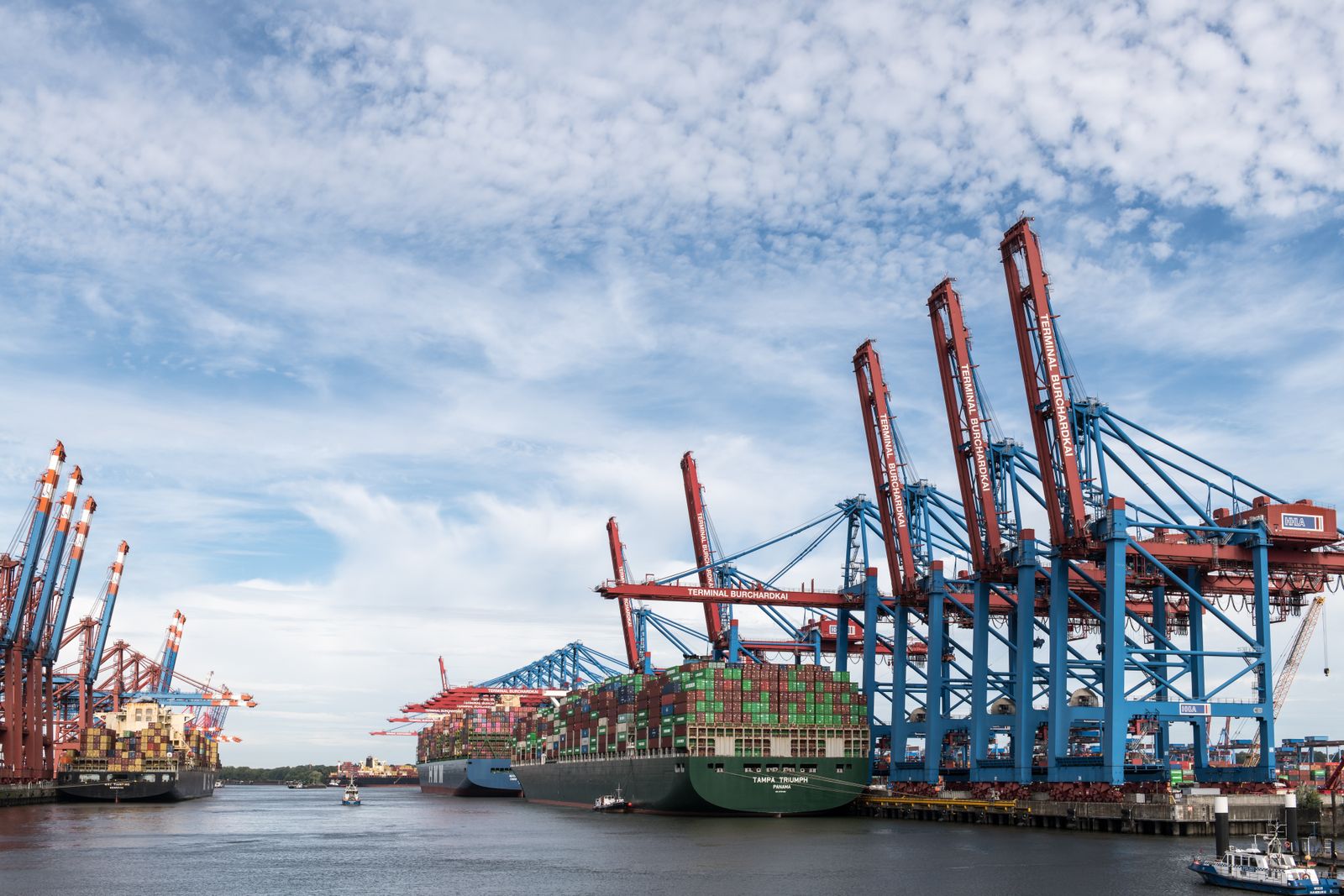
For Portland-to-Hawaii car shipping, confirm the current operator’s terminal and appointment rules before arranging the Portland connection. Define the road-to-terminal leg, vehicle preparation, ocean booking, Hawaii release point, and authorized collector so the timings and responsibilities connect without an assumed residential leg.
Write out the Portland-to-terminal connection
-
Resolve terminal acceptance before Portland release
This is a specific operator’s published position, not a statement about every company. If considering its ocean service, confirm the land arrangement separately. With any provider, ask which terminal has accepted your booking and whether Portland collection, terminal delivery and island onward transport are included or contracted independently.
-
Connect release on the island to your arrival
Do not send the car toward a terminal merely because it appears on a route map. The accepted facility, vehicle type, direction and booking matter. Obtain a single written itinerary showing where responsibility changes and which contact resolves a missed connection.
-
same operator’s FAQ requires terminal drop-off and pickup appointments and distinguishes
The same operator’s FAQ requires terminal drop-off and pickup appointments and distinguishes vehicle availability from vessel arrival. Pasha Hawaii terminal appointment and availability guidance
-
Use the booked operator’s current instructions for preparation
Use the booked operator’s current instructions for preparation, documents and authorization when a trucker tenders the car for you. Tell both companies about modifications, operating problems and whether the car is electric or a plug-in hybrid. Have acceptance confirmed before the mainland carrier takes custody.
-
Ask how the road carrier’s collection window will meet the terminal
Ask how the road carrier’s collection window will meet the terminal appointment and what happens if it cannot. Price any planned holding or reappointment rather than assuming the car can simply wait at the facility.
-
Name the recipient
Name the recipient, the intended island and the point where your paid service ends. Decide whether you will collect the car or need another delivery leg. The recipient should follow the operator’s availability notice, rather than booking travel around a ship arrival estimate alone.
-
Compare all-leg totals
Compare all-leg totals, payment and cancellation terms, with custody and condition documentation at each transfer. Keep Portland pickup photographs and terminal receipts accessible to the island recipient. A usable agreement explains both the transport and the gaps between operators, including who can approve an extra charge if a connection changes.

Treat Portland-to-terminal as a booked leg, not a hidden assumption
Start with the Portland-area pickup property and the mainland terminal named in the accepted ocean booking. Ask whether the same seller is arranging the road leg or whether you are contracting with a separate auto transporter. If a separate carrier is involved, give it the marine booking reference, receiving facility, accepted drop-off window and vehicle requirements that affect tender. The truck’s job is not simply “take it to the coast”; it is to deliver the correct car to the correct facility when that facility will accept it.
Turn this plan into comparable transport options
Use the actual vehicle, pickup and delivery details, timing and handling needs so every quote starts from the same scope.
Synchronize the road collection window with the terminal appointment. If the road carrier is late, know whether the terminal can move the appointment, whether the car may be stored nearby, and who pays for that contingency. If the ocean operator’s current policy requires owner or authorized-agent actions, complete those before the vehicle leaves Oregon. The operator-specific FAQ already cited on this page should govern its service; do not apply one company’s suspended residential trucking or appointment rules to a different provider.
Keep the vehicle profile identical across the road and ocean bookings: VIN, dimensions, powertrain, running condition and modifications. Ask the ocean operator to confirm acceptance before the road carrier takes possession, especially for an electric, plug-in hybrid, damaged or nonrunning vehicle. A first-mile carrier should not be left holding a vehicle that the next facility will not receive.
Choose the Hawaii release point and recipient before sailing
Name the intended island and release facility, then decide whether the paid service ends there or includes another leg. If you must collect from a terminal, use the site’s terminal handoff guide to plan identification, hours, storage and onward movement. If you need delivery beyond the facility, obtain that service in writing rather than assuming the ocean booking includes it.
The Hawaii recipient should receive Portland pickup photographs, the road-carrier condition record, terminal receipt and the ocean booking information. They should wait for the operator’s actual availability notice instead of making a collection trip based only on vessel arrival. Confirm substitute-collector requirements if the named person might be unavailable.
Compare the complete route price. The site’s Hawaii quote guide can help identify categories to ask about, but your written comparison should include Portland pickup, road transfer to the accepted terminal, any holding or reappointment, ocean carriage, destination release and any island-side onward movement. Review cancellation and change terms for both providers when separate contracts are used.
Verify the inland carrier or broker with the site’s company-checking guide, and keep every custody receipt. The route is operationally complete when the road pickup can meet a confirmed terminal acceptance, the marine operator has accepted the vehicle, and the Hawaii recipient knows exactly where and how to take custody.
Portland-to-Hawaii planning should lock the mainland tender around the marine operator’s actual acceptance process, not around an assumed sailing date. Confirm the Portland-area pickup or self-delivery point, the deadline for presenting the vehicle, and which party is responsible for getting it to the booked ocean facility if that facility is elsewhere. If a road carrier performs that positioning leg, give it the terminal instructions and a contact who can resolve an acceptance problem. On the Hawaii side, identify the authorized receiver before departure and confirm how release notice is delivered. A late mainland tender, rejected vehicle or unreachable island receiver can create storage and rescheduling consequences that a simple port-to-port price does not show. Comparing quotes on those responsibilities makes the true scope visible before the car enters the custody chain.