
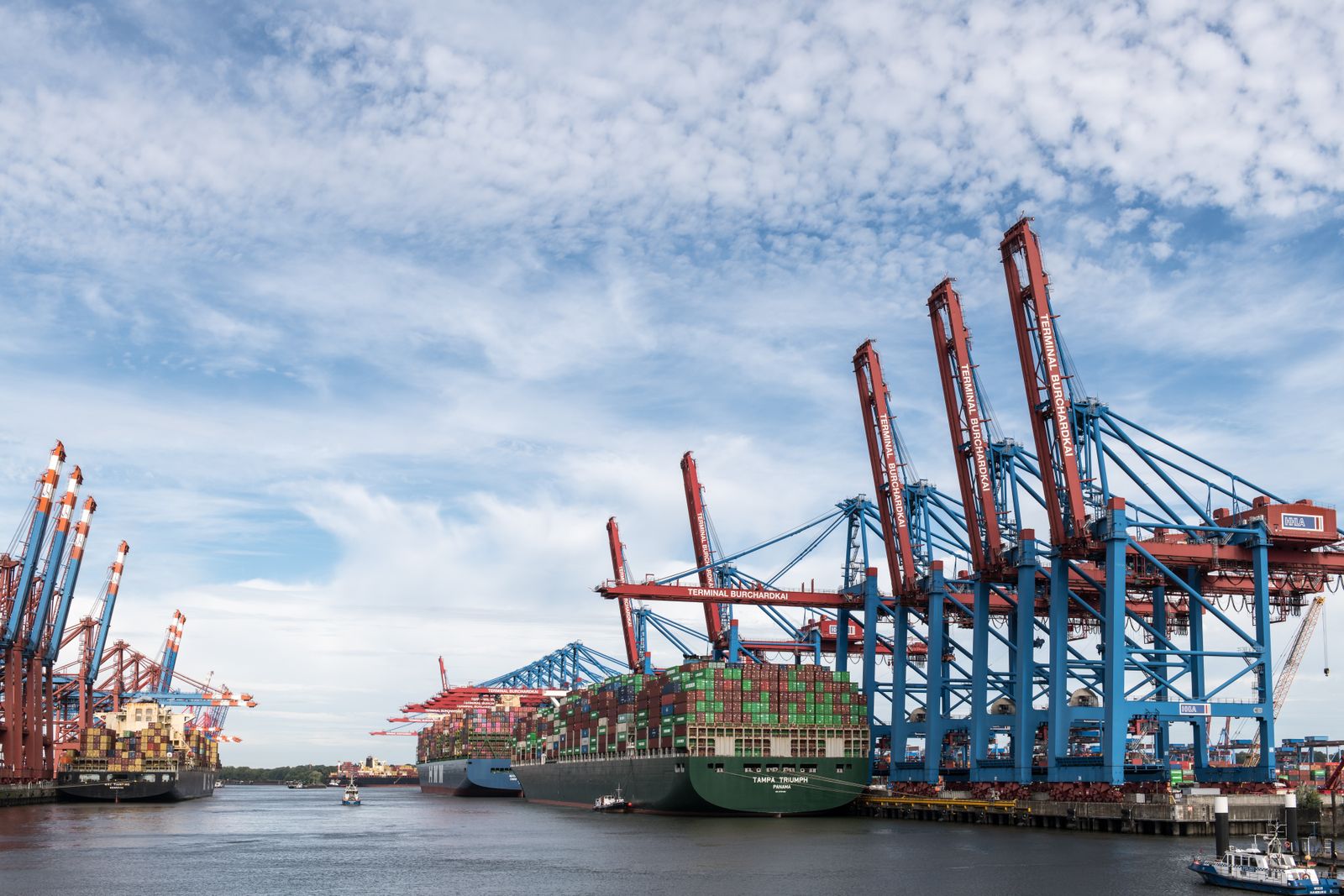
A Las Vegas-to-Hawaii move starts with the destination island and the mainland ocean terminal that will accept the car. Confirm how the vehicle gets from Las Vegas to that facility, what the sea operator requires at acceptance, and who will collect or receive the car after island release.
Write the Las Vegas-to-Hawaii itinerary in the order it happens
-
Las Vegas pickup
State the address, vehicle condition and whether a carrier can load at the property. If not, choose a legal meeting point with enough room for the equipment.
-
Mainland terminal
Identify who delivers the car to the booked ocean facility and who is responsible if the road arrival misses an appointment or cutoff.
-
Hawaii release
Name the island facility and receiver. If the final destination is beyond the terminal, price that local or interisland leg separately rather than assuming it is included.
Choose the Hawaii island endpoint before comparing protection or price
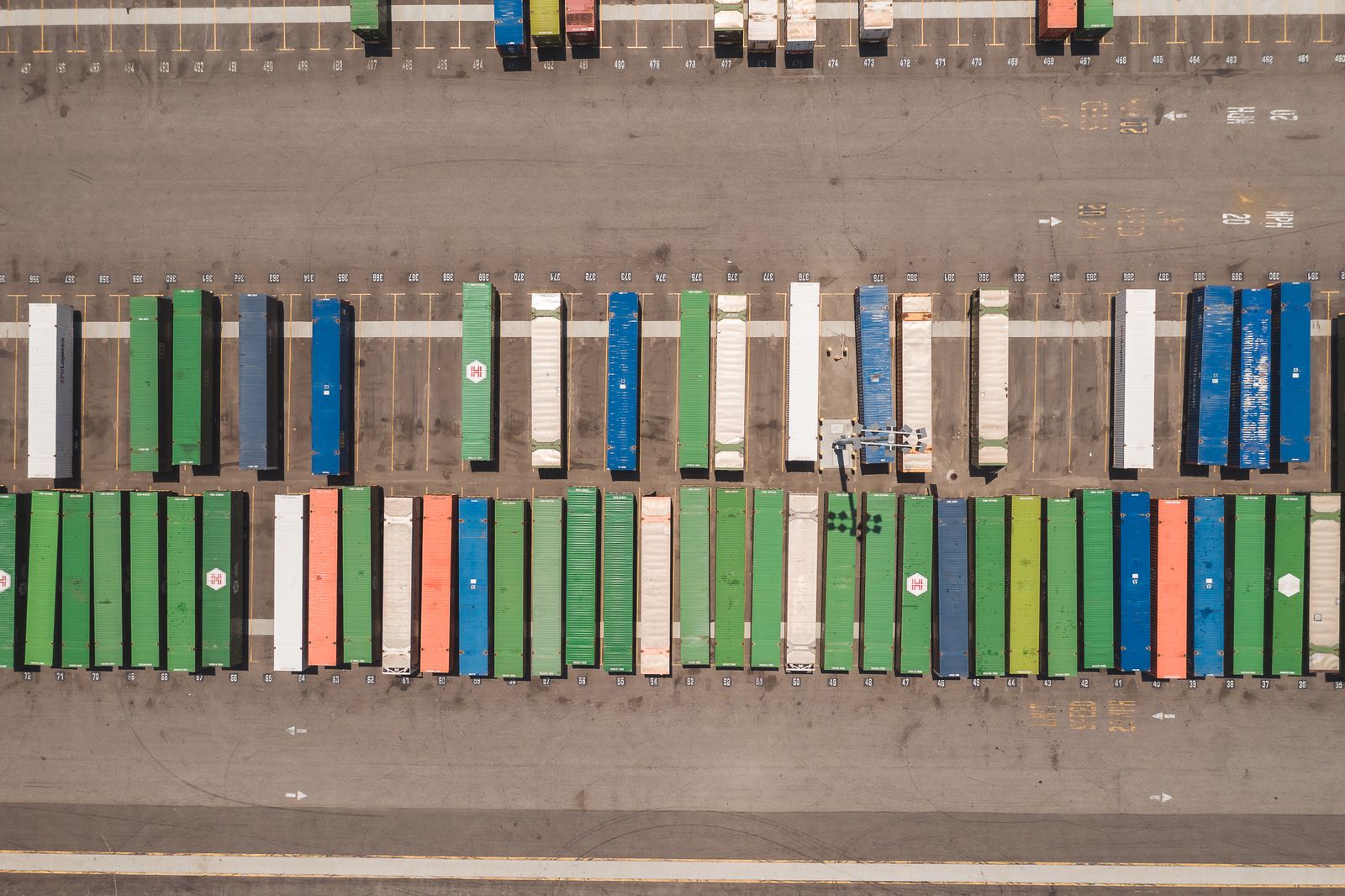
The destination island affects the terminal, release plan and any local continuation, so settle it before debating transport options. If the car ultimately needs to reach an address away from the release facility, decide whether the quote includes that movement or whether the receiver will arrange it. An inexpensive ocean rate to the wrong or incomplete endpoint can create more work than a higher through-service that matches the actual destination.
Turn this plan into comparable transport options
Use the actual vehicle, pickup and delivery details, timing and handling needs so every quote starts from the same scope.
Once the endpoint is fixed, compare protection and handling using the same itinerary and a complete Hawaii car-shipping quote. If the Las Vegas car is low-clearance, collectible or otherwise sensitive, ask how it is handled on the road leg and what the sea operator accepts. Do not assume an enclosed mainland carrier changes the ocean handling method. Each operator should state what it controls, and the owner should decide whether the combined chain provides the level of handling expected for that particular vehicle.
Decide where the quoted journey ends
Ask whether the offer ends at a Hawaiian terminal or includes delivery beyond it. If another island movement is needed, have it written into the plan with its own acceptance and release arrangements. Do not assume a Honolulu discharge reaches a different island.
Request the actual mainland receiving terminal before sending a car from Las Vegas. Compare self-delivery there with a collected road leg using the complete cost, your travel needs and the risk of a missed receiving window.
Assign the gaps between road and sea
- Have the Las Vegas sender confirm when the vehicle is genuinely ready.
- Obtain the terminal’s acceptance window and the road carrier’s proposed delivery.
- Ask who handles a late truck, missed cutoff or changed sailing.
- Wait for vehicle-release instructions before arranging the island collector.
Get a total covering the booked legs, terminal handling, any storage and special equipment. Review cancellation and rescheduling charges. A sailing estimate and a car-available notice serve different purposes; ask the coordinator how each update reaches you.
Keep acceptance and arrival evidence together
Honolulu’s registration guidance includes shipping documents showing the vehicle identification number among the records for an out-of-state vehicle. Honolulu out-of-state vehicle registration guidance
For another county, check that county’s process rather than applying the Honolulu list automatically. Keep the bill of lading and arrival details with ownership records; transport booking does not complete registration.
Disclose dimensions, modifications, operating faults and vehicle type to both road and sea operators. Follow their actual fuel, cleanliness, battery and contents rules. Clear finance or agent authorizations they require before delivery to the terminal.
Photograph the vehicle at Las Vegas release and retain accessible condition reports along the itinerary. Clarify coverage and claims contacts for each custody stage. The final collector should inspect, document discrepancies and preserve the release record.