
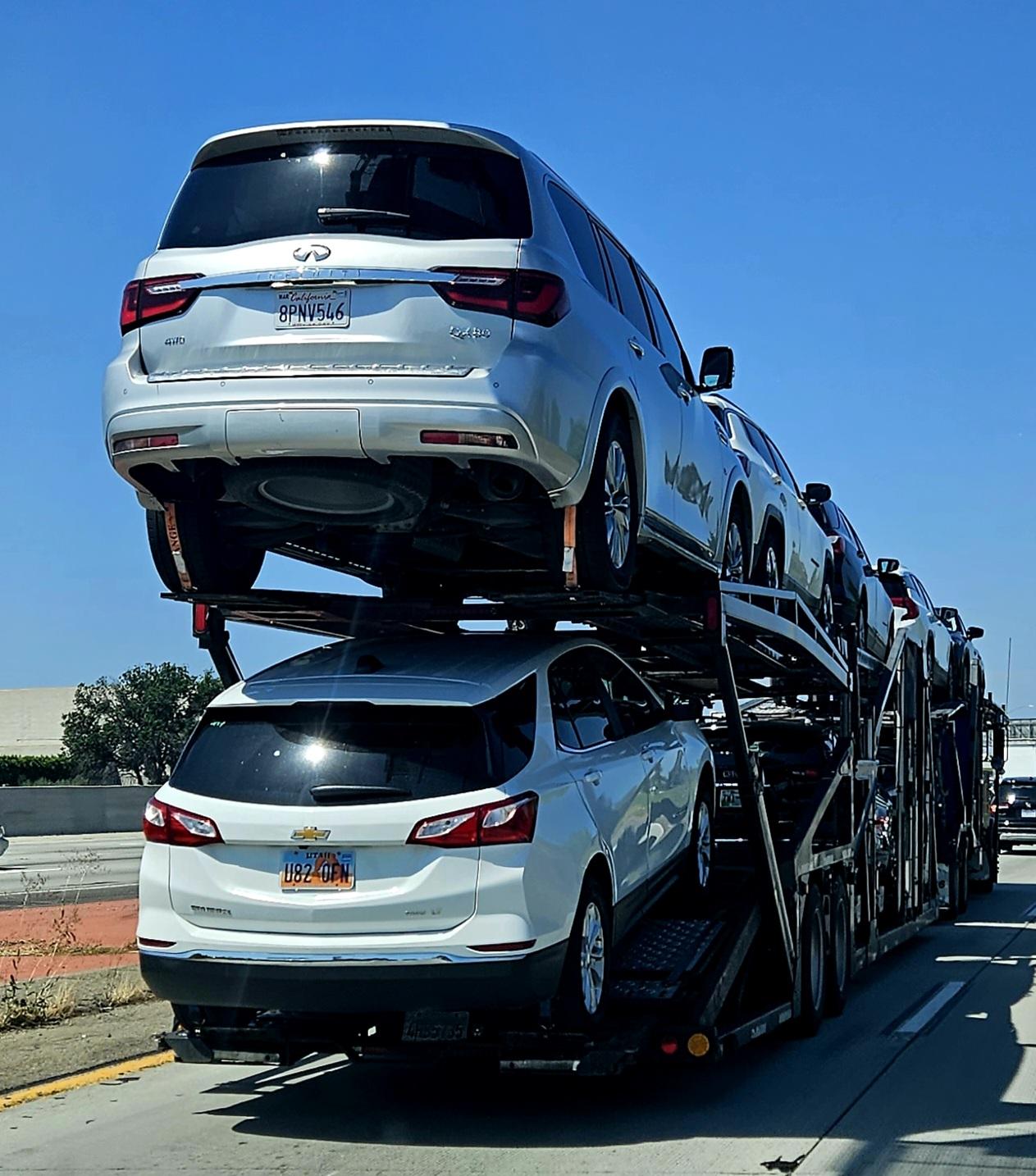
Shipping a car from Los Angeles to New Jersey works best when the seller or owner release and the East Coast receipt are planned independently. Give the same exact addresses, running condition and service type to every provider, and make sure both the California releaser and New Jersey receiver can inspect and sign for the vehicle.
Coordinate Los Angeles release and New Jersey receipt as separate jobs
-
Release authority
If a dealer, seller, shop or friend is handing over the car, confirm keys, pickup hours and the authority the booked carrier expects before dispatch.
-
Carrier access
Ask both properties whether a large transporter can enter. A planned alternate meeting point is better than an arrival-day request to move the car through restricted or tight streets.
-
Receipt evidence
Send the New Jersey receiver the departure photos and pickup condition record so delivery inspection begins with the same evidence created in Los Angeles.

Make the seller-to-carrier transfer explicit when the car is newly purchased
If the vehicle is still at a Los Angeles seller or dealer, ask that business what it requires before releasing a sold car to a transport company. Provide the carrier name and pickup information the seller needs and confirm whether outstanding paperwork, financing, plates or keys could delay release. The driver should not become the person trying to resolve a sales transaction at the loading site. A clean handoff starts with the seller knowing exactly who is authorized to take the vehicle.
Turn this plan into comparable transport options
Use the actual vehicle, pickup and delivery details, timing and handling needs so every quote starts from the same scope.
On the New Jersey side, decide whether the buyer will receive at home, at another property or at a meeting point suitable for the transporter. If the vehicle cannot yet be driven legally or mechanically, choose a handoff that allows the needed local transfer. Keep purchase documents and shipping documents together for convenience, but distinguish which party is responsible for each. That makes it easier to identify whether a problem belongs to the sale, the transport order or the final receiving arrangement.
Locate ownership records before dispatch
New Jersey MVC provides form OS/SS-54 to request a lienholder’s release of a title to MVC for retitling with the lien. New Jersey MVC forms and lienholder-title request
If that process applies, check the current MVC instructions and coordinate with the lender. The carrier’s receipt is evidence of a transport handoff, not a replacement title or lien release. A temporary stay, owner relocation and new purchase can involve different administrative steps.
For a seller collection, obtain the sale documents directly and make sure payment and release conditions are cleared. Keep records accessible and match the VIN across the sale and shipment.
Turn the state destination into an unloading plan
Give the town, street address, entrance and recipient’s contact. Describe gates, narrow approaches and space for the truck and ramps. Ask the carrier to approve the site under applicable local restrictions.
If delivery uses a permitted meeting point, assign the final movement and include its charge. A disabled car needs accepted assistance beyond the main truck journey. Establish a backup contact if the arrival window changes.
Confirm release, service and condition
Have an authorized Los Angeles sender with keys and genuine availability. Describe vehicle dimensions, modifications and operating faults; request acceptance of the loading method before comparing open and enclosed options.
Obtain the complete transport total, deposit and remaining-payment terms, cancellation and waiting conditions. Identify the carrying business, transfers or storage, coverage and damage-reporting process. Distinguish forecast dates from explicit commitments.
Prepare as instructed and photograph the vehicle before collection. The New Jersey recipient needs the Los Angeles collection record in advance to compare condition during the handoff.
Record discrepancies at receipt and keep the final paperwork with the accepted route terms. Schedule title-related visits around the car’s real availability without treating an estimate as a guaranteed arrival.