
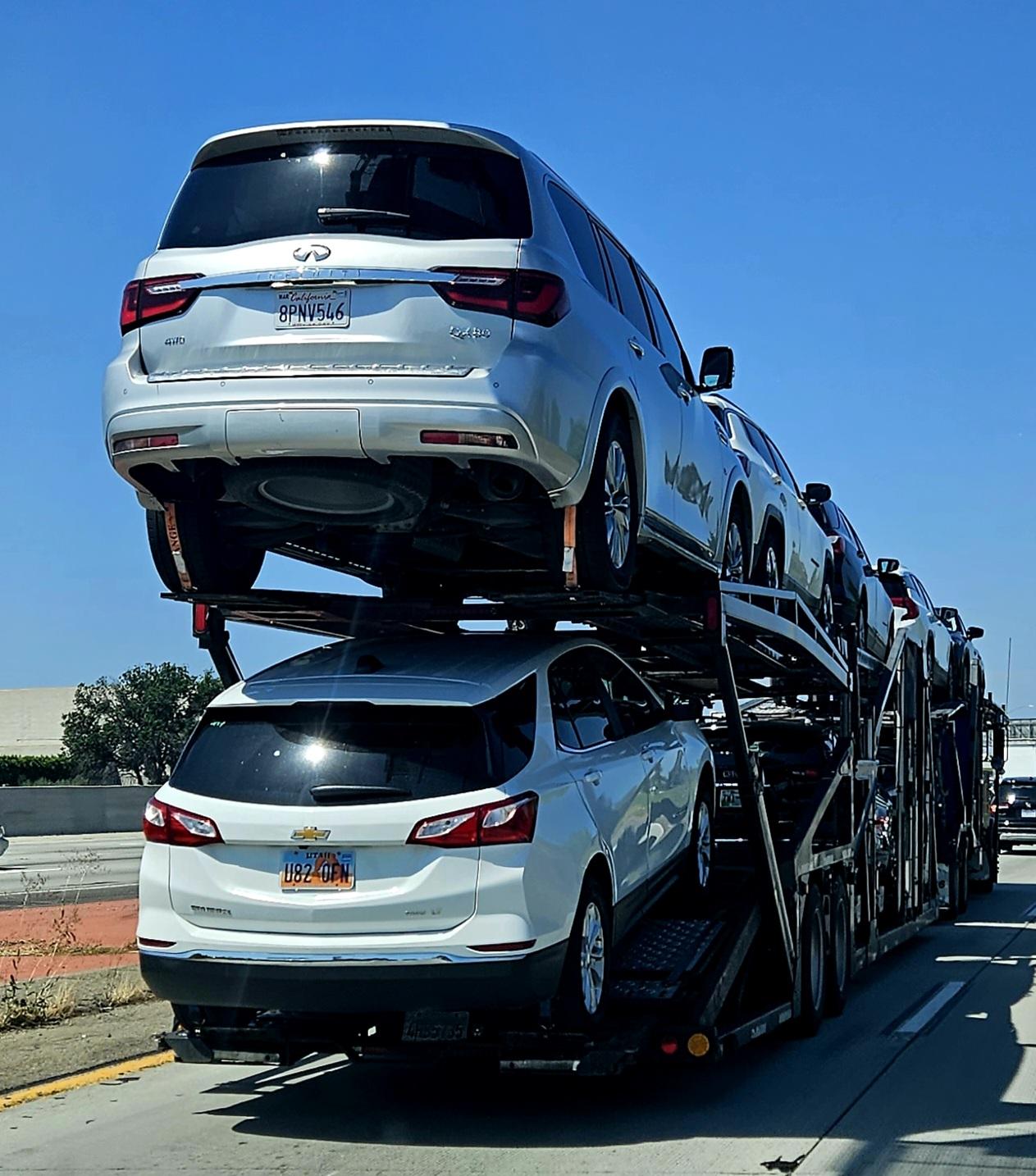
For San Francisco-to-Seattle car shipping, confirm where the receiver can lawfully take the vehicle and choose a second handoff that still works if the first space is unavailable when the truck arrives. A time-limited curb plan should never be the only way to complete delivery.
Make the Seattle fallback as usable as the planned delivery point
-
Planned handoff works
Use it only after the property or street arrangement is confirmed and the carrier has reviewed the space needed for its equipment.
-
Timing moves
Shift to the preapproved alternate instead of asking the driver to wait indefinitely for a reservation or receiver to become available.
-
Car cannot be driven
Choose a fallback that supports unloading and onward transport. A distant meeting point is not a solution if the receiver cannot legally or mechanically move the car from it.
Turn this plan into comparable transport options
Use the actual vehicle, pickup and delivery details, timing and handling needs so every quote starts from the same scope.
Give the Seattle receiver enough information to reject an unsuitable last-minute meeting point
A receiver should not feel compelled to agree to the first location suggested on arrival day. Before dispatch, define the characteristics an alternate site must have: legal access, enough room, a safe place to inspect the car and a practical route for the receiver. If the vehicle is low-clearance or nonrunning, include those needs. The carrier can then propose a location that solves the access problem without creating a new one for the customer.
Make clear who may approve a change when the owner is unavailable. If a family member or employee is receiving, give that person authority to accept or reject a proposed handoff within the agreed criteria. Keep the final location change in writing with the order. This preserves the meaning of the service even when the original curb or property cannot be used at the estimated time.
Check the space and the truck operation
Seattle distinguishes temporary no-parking reservations from the truck-use permit applicable to specified restricted-area moving operations. Seattle temporary no-parking and truck-permit guidance
Ask SDOT which process fits the proposed car carrier. Give the hauler the actual footprint and posted restrictions. Do not treat reserved space as proof that any truck may unload there or assume approval can be moved to another date automatically.
Choose the contingency before dispatch
Name someone who can receive if you are still traveling. If a different site or terminal is needed, confirm permission, collection hours and onward movement. For an inoperable car, ask for appropriate unloading and transfer equipment rather than a meeting point requiring a drive home.
Confirm release and compare the full service
Have the operator review the San Francisco loading street and any necessary authorization. Give the release contact keys, carrier details and the agreed payment instructions. Describe clearance, modifications and starting condition when selecting equipment.
Compare complete open or enclosed offers, cancellation and storage terms. Photograph departure condition and send the report to Seattle. Obtain the claims process and allow the receiver time to inspect before signing.