
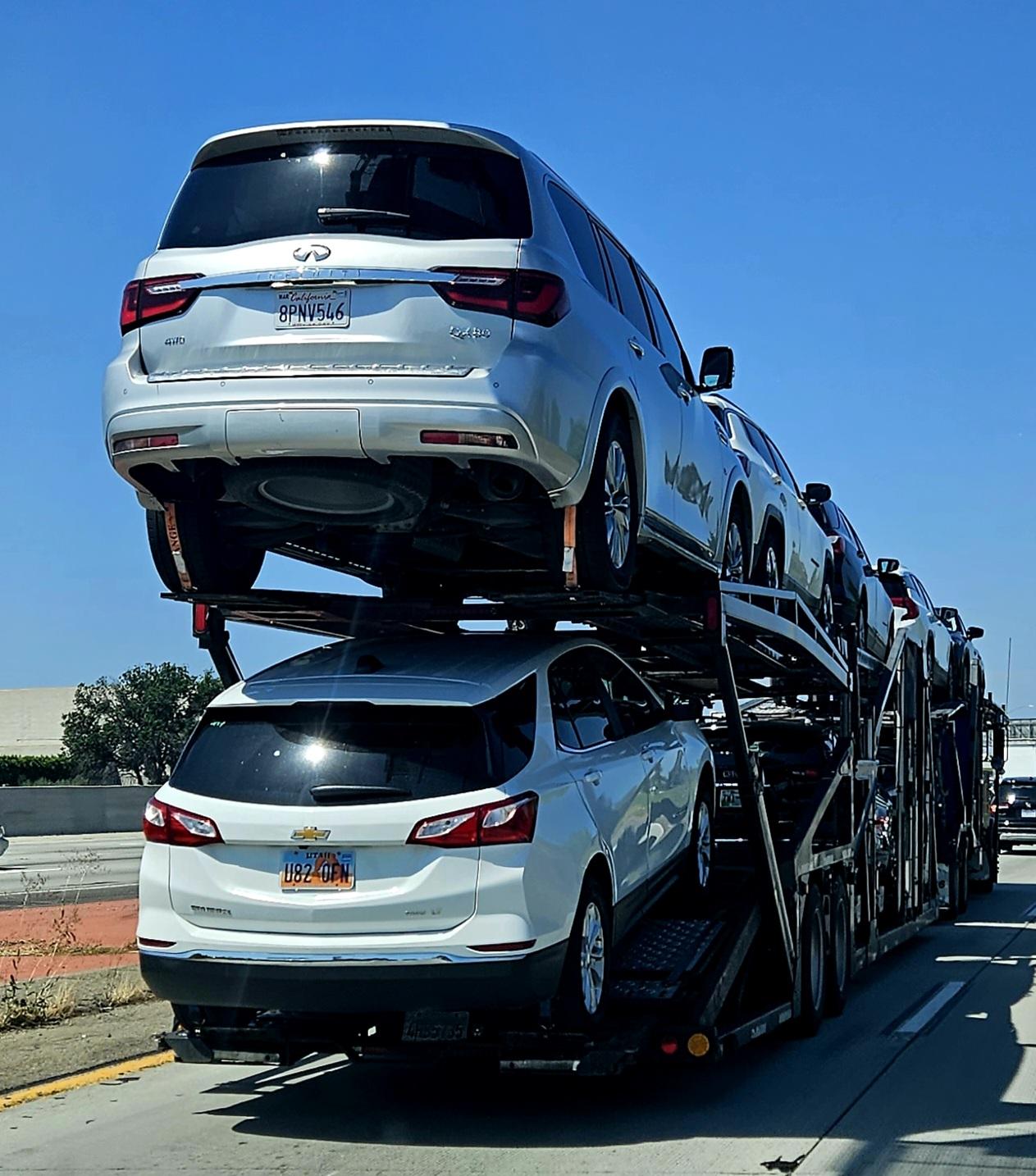
A Texas-to-Pennsylvania quote should be built around exact properties, not only the states. Confirm loading room, available hours, releaser and receiver at both ends. If either property cannot take the carrier, approve a larger meeting point and any needed local transfer before dispatch.
Check the Texas pickup and Pennsylvania delivery before a truck is assigned
-
Texas access
Describe gates, rural roads, business restrictions or tight residential approaches. The carrier needs enough information to decide where it can safely load.
-
Pennsylvania access
Give the receiver's address and availability and ask whether the truck can unload there. A nearby meeting point should be legal, practical and reachable by the actual vehicle.
-
Inspection space
Choose a handoff where the releaser and receiver can examine the vehicle in reasonable light. Condition evidence is harder to use when the transfer is rushed or unsafe.

Turn this plan into comparable transport options
Use the actual vehicle, pickup and delivery details, timing and handling needs so every quote starts from the same scope.
Use the Pennsylvania endpoint to test whether two quotes are truly comparable
When comparing Texas-to-Pennsylvania quotes, give each provider the same destination detail: city, ZIP code, vehicle condition, operability, approximate dates and any known access restriction. A quote based on an easy suburban meeting point is not directly comparable with one that assumes service to a narrow urban block or remote address. Ask what changes if the carrier needs a larger nearby road for unloading and whether the quoted scope ends when the vehicle reaches that meeting point. This keeps an apparent price difference from being driven by different delivery assumptions rather than a genuinely different transport offer.
Check documents before they become an arrival problem
Pennsylvania’s out-of-state titling guidance advises applicants to contact a lienholder about release of the title before completing the title application. Pennsylvania out-of-state title and registration guidance
If you are moving with a financed vehicle, contact the lender and consult Pennsylvania’s current instructions for your situation. For a purchased car, verify what the seller will provide and to whom. Do not assume the transporter arranges title transfer or that the delivery record will substitute for ownership evidence.
Retain accessible copies of the records you need for administration. Ask the carrier separately what authorization the person releasing the vehicle must present.
Give each handoff contact a defined role
The Texas contact needs to confirm the car is available, provide the keys and record its condition. The Pennsylvania contact needs to inspect against that collection record and keep the delivery documentation. Neither should be expected to resolve an ownership dispute as the truck arrives.
Check the destination’s loading hours and truck access before dispatch. If you will not yet have access to your new property, appoint another authorized recipient or obtain a storage arrangement with a named custodian and known charges.
Price a transport job with no hidden handoff
Provide the exact endpoints, vehicle model, operating condition and requested equipment. Ask whether the quoted service includes any transfer between carriers or a separate local delivery. If so, establish how custody records and schedule updates reach you.
Read cancellation, payment and changed-scope terms before paying. A state-pair estimate should become a written agreement for the addresses and car you actually have. Keep essential travel independent of an estimated arrival until the delivery arrangements are confirmed.