
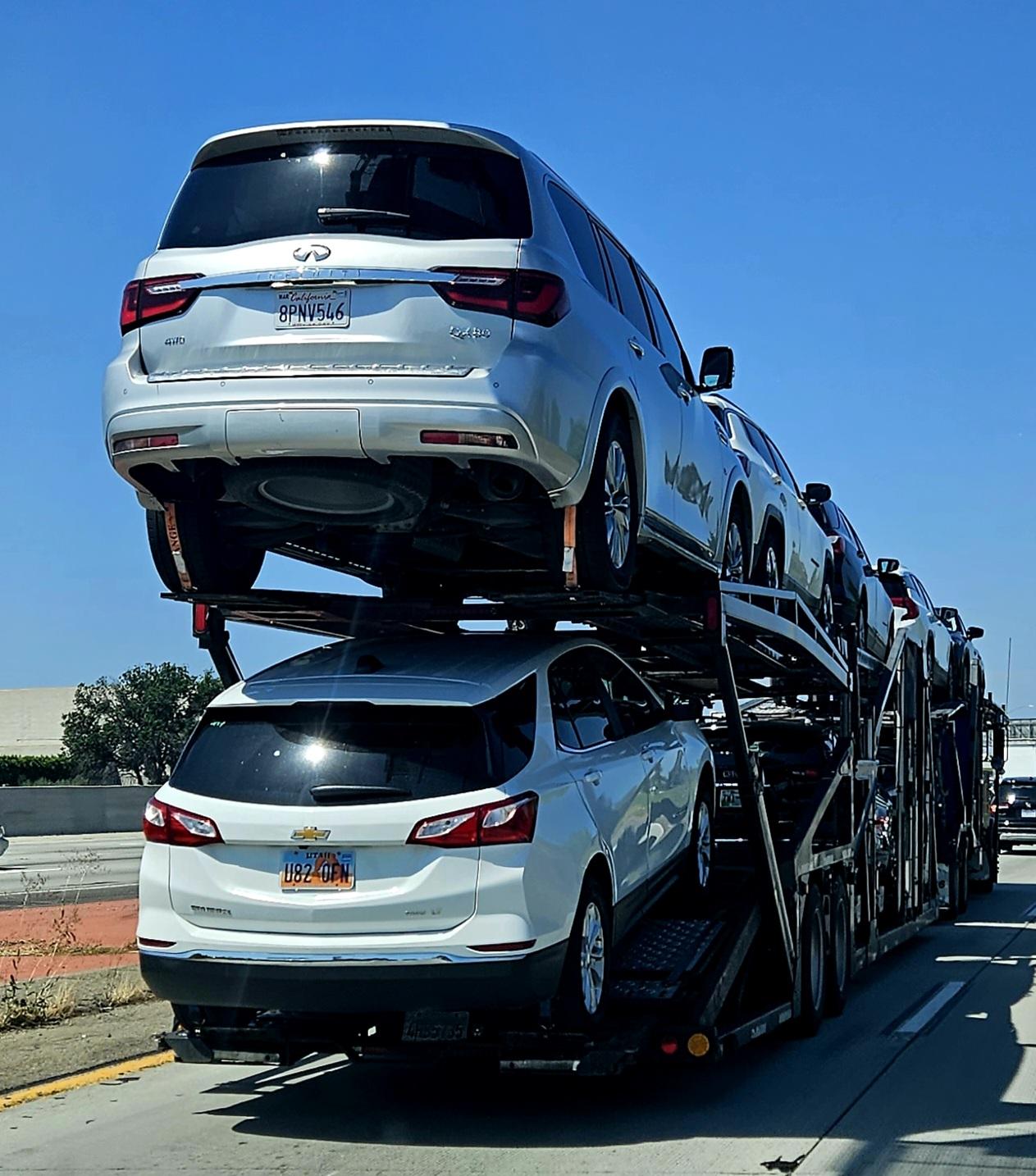
A New York-to-Miami auto transport order should identify the real origin, real Miami receiving property and a backup location. Dense streets, gated residences and managed buildings can affect both ends. The receiver plan should remain workable when the carrier's arrival estimate moves by hours or a day.
Choose a Miami handoff that still works if arrival timing changes
-
Planned address works
Use it after the carrier reviews access and the property or receiver confirms the loading area and hours.
-
Address does not work
Move to a preapproved legal meeting point with enough room for the transporter and enough time for a proper inspection.
-
Receiver cannot attend
Use a named backup person or reschedule according to the contract. Do not leave the car at an unapproved location simply to preserve an estimated time.

Turn this plan into comparable transport options
Use the actual vehicle, pickup and delivery details, timing and handling needs so every quote starts from the same scope.
Build a Miami receiving plan that survives travel changes
If the owner is traveling from New York to Miami separately, do not make the transport plan depend on a flight landing at exactly the right time. Name a local backup receiver, make sure that person knows the vehicle and booking details, and confirm what identification or authorization the carrier expects at handoff. For hotels, condominiums and secured communities, decide in advance whether a carrier can enter or whether a nearby accessible road will be the practical meeting point. This is especially important when the owner has luggage, a rental-car return or another appointment competing with the delivery window.
Treat the delivery inspection as its own task. The receiver should have the pickup photos and condition record before meeting the truck, check the vehicle in adequate light, and document a visible discrepancy before the driver leaves when possible. Keep transport-condition evidence separate from ordinary wear or preexisting defects. That simple handoff discipline is more useful than trying to reconstruct the vehicle's pickup condition days later.
Ask the receiving party to accept the car
Confirm the Miami address, entrance, hours and any booking reference. A dealer or storage yard should explicitly agree to receive and inspect. Ask who pays holding charges and when custody transfers.
If unloading happens away from the final property, identify the onward driver or tow provider and include the cost. An undriveable car needs a complete movement plan, not a promise that someone can collect it later.
Separate a road delivery from export work
CBP publishes dedicated documentation and presentation requirements for used-vehicle exports. CBP used-vehicle export guidance
If that is part of your task, confirm the responsible arranger, port procedure and destination-country advice separately. Do not infer an ocean booking or import eligibility from a domestic Miami quote. Retain condition records at each transfer.
Release from the actual New York location
State the municipality and physical pickup address, vehicle condition, modifications and chosen equipment. Confirm seller or facility release hours and verify the collecting carrier. Compare deposits, cancellation, waiting and storage on the same complete scope.
Keep pickup photographs and signed condition notes for the Miami recipient. Provide payment and discrepancy instructions and ask how a changed arrival affects facility acceptance. The booking should end at an agreed custody event, not merely somewhere in the Miami area.