
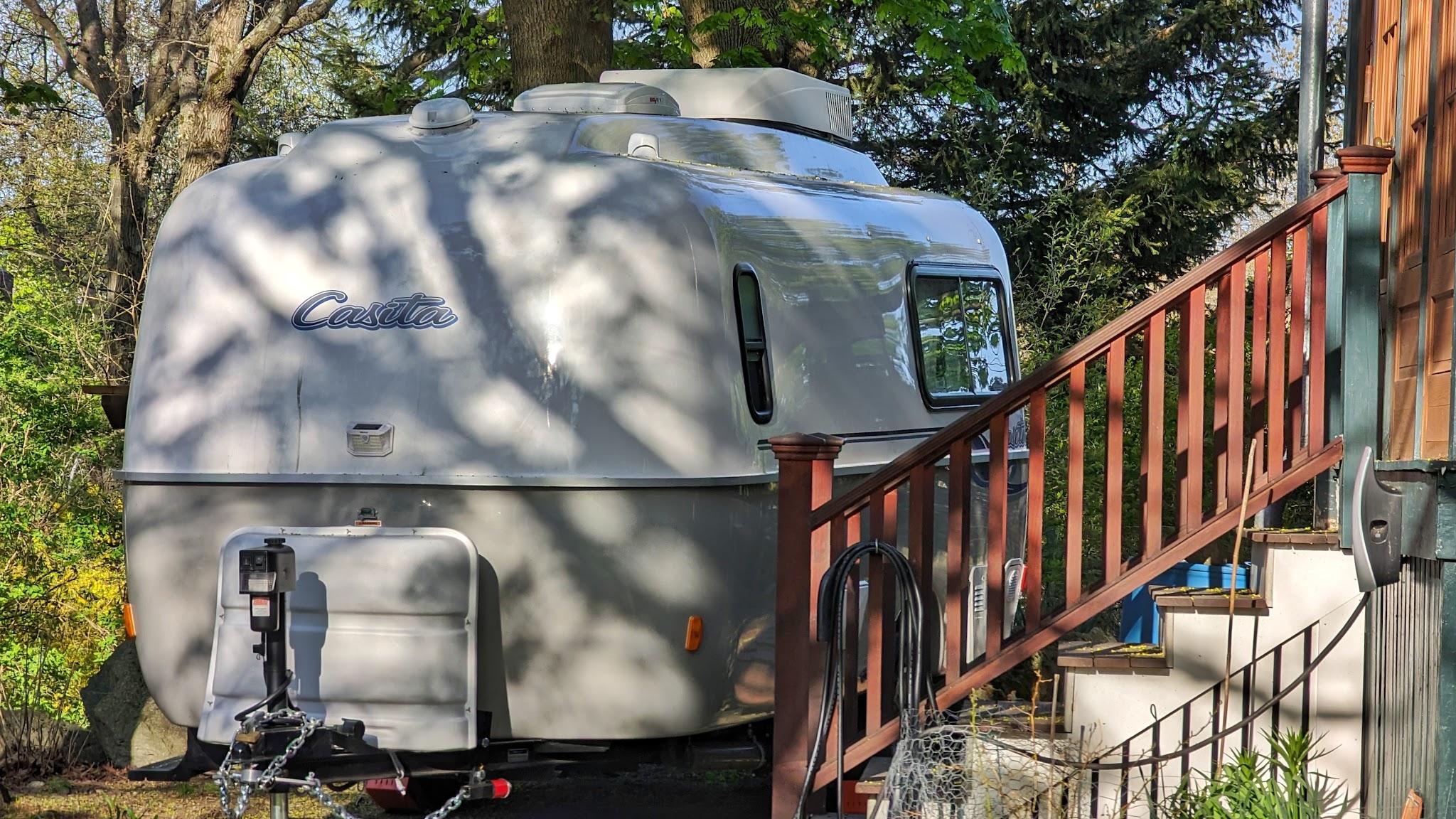
RV shipping to Alaska starts with the exact RV type, running condition, length, width, height and weight in transport configuration. Then compare road and any marine legs on the same Alaska endpoint and seasonal assumptions. A generic RV category is not enough to determine equipment, clearance or marine acceptance.
Use the RV's travel dimensions to determine Alaska route fit
-
Dimensions
Measure roof equipment, mirrors, racks, hitches and other projections in the configuration that will actually travel.
-
Mobility
State whether the RV is self-propelled, towable or nonrunning and what loading or towing interfaces are usable.
-
Route
Confirm the Alaska delivery point and any marine terminal or transfer rather than pricing only a broad state destination.

Turn this plan into comparable transport options
Use the actual vehicle, pickup and delivery details, timing and handling needs so every quote starts from the same scope.
Compare Alaska RV specialists only after the RV profile is complete
The RV shipping company guide can help frame provider-selection questions, but a usable Alaska quote still needs the actual RV dimensions, weight, mobility and endpoint. Send the same measurement sheet and photos to each candidate. Ask which equipment it plans to use, whether a marine leg is included and where custody changes. If one proposal assumes the owner drives the RV to a terminal while another includes pickup from home, those prices are not directly comparable.
For a motorhome with a mechanical problem, tell the provider whether it can steer, brake and roll even if it will not start. For a trailer, disclose tire condition, coupler or kingpin type and whether brakes or lights function. The transport company can then decide whether ordinary towing, carried transport or recovery assistance is required. An Alaska route does not make those equipment questions less important; remote connections make it more costly to discover them late.
Before the RV departs, decide which systems must be shut down or secured for the booked method and follow the provider's instructions for propane, batteries, appliances, tanks, awnings and loose interior items. Do not invent a universal preparation rule for every RV type. Photograph exterior projections and interior loose-item condition after preparation so the owner can show what was secured when the transporter accepted the unit.
If the RV will be collected in Alaska by someone other than the owner, give that person the origin condition photos and written instructions for the unit's basic operation. Large RVs can have unusual battery disconnects, air systems, leveling gear or slide controls. The receiver should not experiment with those systems simply to clear the delivery area; if the unit cannot move normally, use the planned recovery or service option instead.
Build the RV route brief
Marine acceptance depends on the actual RV and sailing
AMHS publishes vehicle policies and notes vessel/port restrictions. If the proposed route uses AMHS, verify the RV against the current sailing/terminal requirements rather than assuming an RV fits because a car would.