
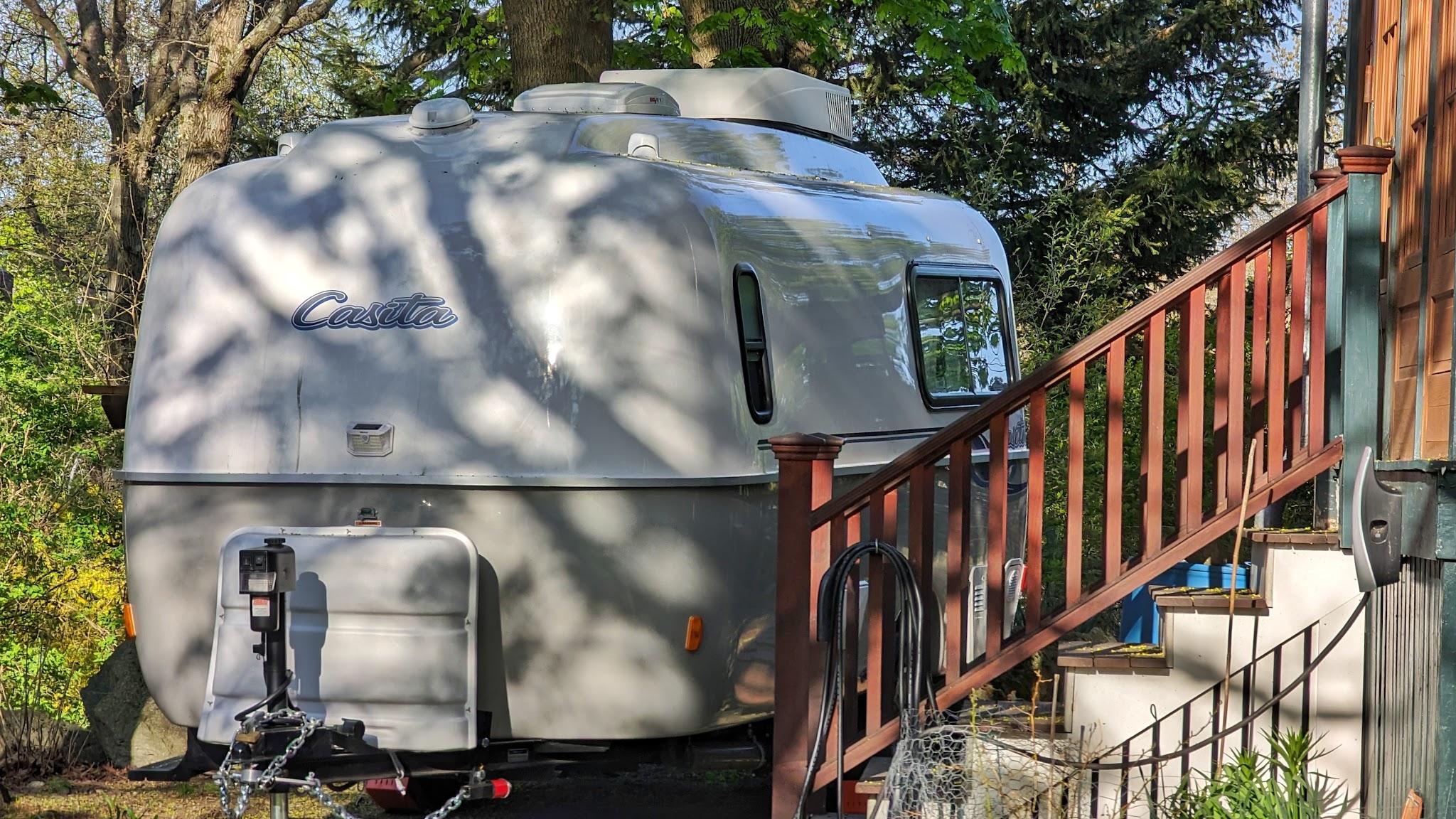
The best RV shipping company depends first on whether the RV will be carried, towed or driven. Give its dimensions, weight information and condition, then ask the operator to accept a specific method and delivery location. A company cannot be ranked as best for all motorhomes and towable RVs.
Separate a motorhome move from a towable RV job
For a motorhome, explain whether it is roadworthy and whether you are considering driven delivery or carriage. Driven service raises questions about mileage, fuel, driver authorization and breakdowns; carriage requires acceptance of the motorhome’s size, weight and loading arrangement. Neither should be silently substituted for the other after booking.

For a towable RV, identify the hitch type and running-gear condition. Tell the operator how long it has been stationary and disclose known tire, brake, bearing or coupling problems. A sales photograph does not establish readiness for a road journey. Ask a qualified person to settle condition questions before dispatch, and follow the manufacturer’s preparation instructions for the particular unit.
At the receiving property, define where the contract ends. Delivery to a carrier-approved access point may not include campsite positioning, leveling, connections or removal of protective materials. Obtain the site’s permission and receiving hours. Compare RV shipping quotes against this same endpoint, and allocate waiting or storage if the site cannot receive on the proposed day.
| Option | Clarify | Acceptance test |
|---|---|---|
| Motorhome driven | Roadworthy vehicle and authorized driver | Mileage, fuel and breakdown terms |
| Motorhome carried | Dimensions, weight and loading fit | Loading and unloading included |
| Towable RV | Hitch and running-gear acceptance | Tow-away versus carriage decided |
Turn this plan into comparable transport options
Use the actual vehicle, pickup and delivery details, timing and handling needs so every quote starts from the same scope.
Compare the handover, not just the road movement
For a driven motorhome, agree how the odometer, fuel level and known mechanical issues will be recorded at departure and arrival. Ask who may authorize a repair if the driver reports a problem. For a carried unit, request the condition-record process around loading and unloading instead; the responsibility questions differ with the method.
Keep loose contents and fitted equipment in separate lists. Ask which items are accepted and how they should be prepared, rather than assuming the living space can remain packed for travel. Give the receiver the same inventory. A useful RV proposal identifies these boundaries before a driver encounters them at collection.
Verify the company against the method it will actually use
Before choosing an RV provider, ask which legal business will perform or arrange the move and whether the written order names the same movement you discussed: driven delivery, tow-away service or carriage. Keep the accepted RV dimensions, running condition, pickup access and destination endpoint with that order. If the provider changes the method or the assigned operator, require a fresh acceptance of the unit rather than assuming the earlier price still describes the same job.