
Identify motorhome, fifth-wheel or travel trailer; provide make, model, dimensions and transport-weight information. State whether you want a driven delivery, towing or carriage, or ask the operator to recommend a method after reviewing the unit.
Tell the bidder what is moving
If towing is proposed, the equipment must be matched to the load. NHTSA discusses manufacturer towing and load-capacity information; do not substitute a vehicle’s appearance or power for a capacity check.
NHTSA reference
Separate transport from getting ready
Describe storage history and known tire, brake, mechanical or hitch problems. Ask who inspects uncertain condition and who pays for repairs or recovery before movement. Explain whether the RV is connected to utilities or positioned where ordinary collection equipment cannot reach it.
Use this quote worksheet
| Line | Enter from each written offer |
|---|---|
| Base movement | Method, two addresses and price validity |
| Preparation | Inspection, disconnecting or recovery exclusions |
| Special equipment | Loading, permits or support if actually needed |
| Delivery | Handoff point versus final pad placement |
| Contingencies | Waiting, failed access, storage and rescheduling terms |
| Payment | Deposit, balance and cancellation conditions |
Line: Base movement
Enter from each written offer: Method, two addresses and price validity
Line: Preparation
Enter from each written offer: Inspection, disconnecting or recovery exclusions
Line: Special equipment
Enter from each written offer: Loading, permits or support if actually needed
Line: Delivery
Enter from each written offer: Handoff point versus final pad placement
Line: Contingencies
Enter from each written offer: Waiting, failed access, storage and rescheduling terms
Line: Payment
Enter from each written offer: Deposit, balance and cancellation conditions
What an online calculation cannot settle
A calculator can only use the information it receives. If it cannot capture a disabled unit, unusual size or site constraints, ask for a reviewed proposal. Confirm whether the result is an estimate or an accepted offer and whether a transport operator has been assigned.
No live price calculator or invented nationwide rate is provided here. If a bidder uses mileage pricing, ask how it defines billable distance and which other charges remain outside that figure.
Compare with the same assumptions
Send identical facts to each provider and mark every unknown on the worksheet. Ask for written clarification rather than treating a blank line as included. Nominate a destination contact who can approve access and inspect the RV; an inexpensive offer can become unusable if it ends where the unit cannot be left.
Make each provider quote the same RV movement method
“RV shipping” can describe different jobs. A motorhome may be driven or carried; a travel trailer or fifth-wheel may be towed or, where feasible, carried on transport equipment. Require the bidder to name the proposed method and explain the condition it expects the RV to be in. Then compare only offers built around the same practical result. A driveaway proposal that consumes fuel and adds mileage is not directly comparable with a hauled proposal, and a tow price assumes the trailer can safely travel on its own running gear.
Turn this plan into comparable transport options
Use the actual vehicle, pickup and delivery details, timing and handling needs so every quote starts from the same scope.
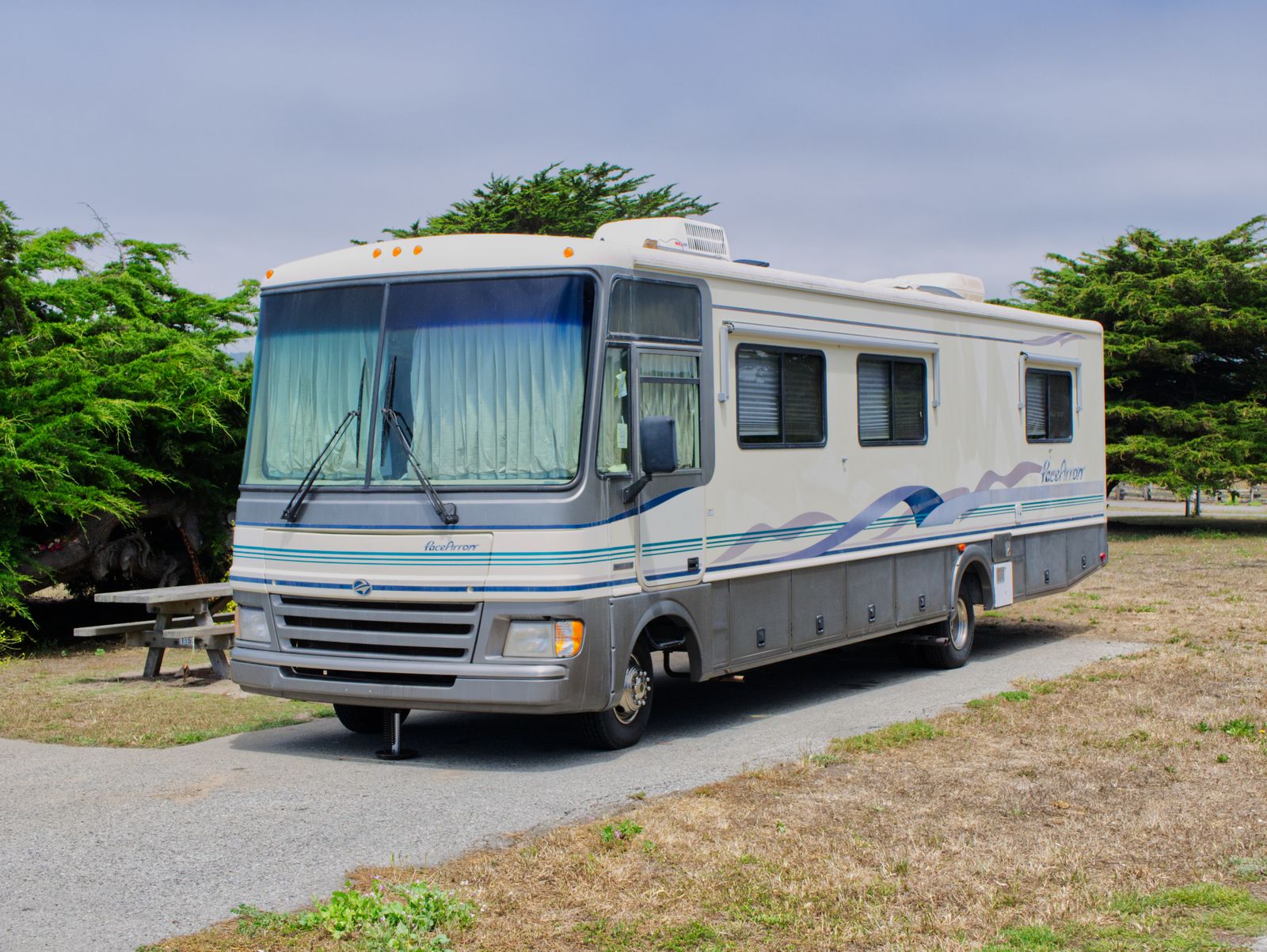
For a fifth-wheel, the fifth-wheel cost guide covers hitch, site and roadworthiness questions in more detail. Whatever the RV type, disclose slides, awnings, rooftop equipment, modifications and any known mechanical or tire issue before a firm price is accepted.
Give the estimator the site problem as well as the vehicle
Large RVs are often stored where normal commercial equipment cannot easily reach them. Describe gate width, overhead branches, grade, surface, turning room, campground rules, storage-lot hours and whether the unit can be moved to an accessible staging point. At the destination, distinguish safe delivery to an accessible point from precise positioning on a pad. If pad placement matters, ask whether it is included and what access the provider requires.
Site facts should be supported with photographs when possible. If a driver arrives and discovers soft ground, a locked facility or insufficient clearance, the outcome may be waiting, rescheduling or a different handoff. Put those contingencies into the quote comparison rather than treating them as unforeseeable extras.
Resolve dimensions and roadworthiness before a quote becomes firm
Use reliable manufacturer information, labels and actual measurements to describe height, length, width and weight as configured for transport. If towing or driveaway is proposed, ask what inspection or readiness the provider requires. A unit that has sat for years may need professional attention to tires, brakes, bearings, fluids or other systems before movement; the transporter should not be expected to discover or repair those issues at collection.
If the RV’s loaded dimensions require special routing or permits, ask whether those costs are included, allowances or excluded. Do not assume a per-mile rate captures route work, loading help or unusual dimensions.
Close the quote around handoff, payment and fallback
Name the pickup and receiving contacts, define the acceptable date window, and ask what happens if either site cannot accept the RV. Record deposit, balance, cancellation, waiting, storage and redelivery terms. If the bidder has not yet assigned the performing carrier, label that status on your worksheet so it is not mistaken for a fully accepted carriage plan.
For an ocean move, use a route-specific budget rather than extending a domestic mileage model. The RV-to-Hawaii cost guide shows why port handling and island handoffs need their own lines. The winning RV quote is the one that prices the actual unit, method and two workable sites with the major exclusions visible.