
Provide motorhome or trailer type, dimensions, weight, modifications and operating condition. Ask the carrier to confirm whether it accepts that configuration and how it must be presented. Do not assume a service advertised for passenger cars can take an RV.
Find an operator that accepts the actual RV
Clarify whether the unit moves under its own power, is towed or requires special loading equipment. Obtain current preparation instructions before arranging inland transport.
Name the island and the final handoff
Give the origin address and destination island, then decide between port collection and delivery to a property. Ask whether the proposal includes any connecting service or interisland leg. A price ending at one terminal is not the cost to place the RV at its intended site.
Use an itemized cost request
| Budget line | Information to request |
|---|---|
| Origin | Collection, preparation and terminal delivery |
| Main carriage | Accepted dimensions, method, quotation validity and exclusions |
| Arrival | Handling, release requirements and storage terms |
| Island delivery | Receiving transport, unloading or towing and final placement |
| Contingency | Costs if the RV misses a departure or the receiver is unavailable |
Budget line: Origin
Information to request: Collection, preparation and terminal delivery
Budget line: Main carriage
Information to request: Accepted dimensions, method, quotation validity and exclusions
Budget line: Arrival
Information to request: Handling, release requirements and storage terms
Budget line: Island delivery
Information to request: Receiving transport, unloading or towing and final placement
Budget line: Contingency
Information to request: Costs if the RV misses a departure or the receiver is unavailable
Resolve cleanliness and contents
Hawaii regulates incoming soil and agricultural material. Ask the operator about cleaning and inspection relevant to the RV and its contents, especially after outdoor storage. Do not assume personal items or plant material can remain inside simply because the vehicle is accepted.
Follow the carrier’s specific rules for fuel, batteries, tanks and other equipment. Obtain qualified help where preparation involves systems you are not trained to handle.
Hawaii agriculture authority reference
Compare confirmed totals
Mark unpriced items explicitly and ask who pays them. Keep sailing estimates, release dates and final placement separate when planning travel. If the origin is foreign, add the relevant US import review before committing.
This guide supplies a budget method rather than invented rates or a claim that a particular RV shipment is currently available.
Feasibility comes before the cost comparison
For an RV, the first useful question is whether a current carrier accepts the exact unit on the service you need. Motorhomes, fifth-wheels and travel trailers differ substantially in length, height, weight, propulsion and loading needs. Send the model, measured dimensions, weight information, photographs and operating condition to the ocean operator or forwarder before arranging a mainland pickup. A passenger-vehicle shipping product should not be assumed to accept an RV simply because both have wheels.
Turn this plan into comparable transport options
Use the actual vehicle, pickup and delivery details, timing and handling needs so every quote starts from the same scope.
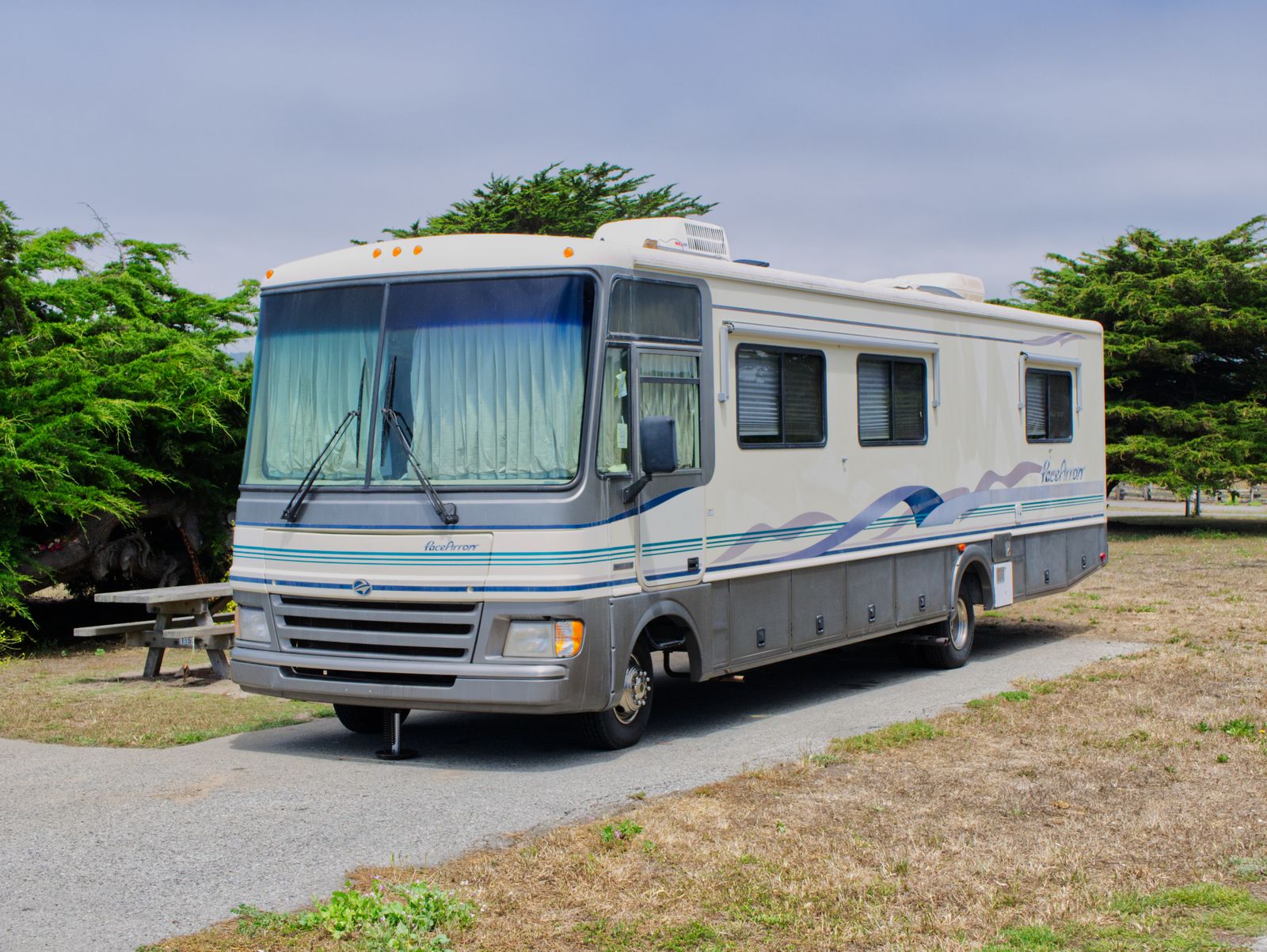
If the unit is a trailer, explain the hitch and running-gear condition and ask how the terminal expects it to arrive. If it is a motorhome, state whether it starts, steers and brakes and what preparation the operator requires. Any required towing, recovery, lifting or special positioning should be part of the written plan. A mainland hauler cannot solve an ocean-terminal acceptance problem after the RV has already arrived at the port.
Define the Hawaii endpoint more precisely than “the islands”
Name the destination island and the actual release point. If you need the RV at a property rather than at a terminal, determine who performs the onward move and whether that provider can legally and physically handle the unit. Interisland transport, if needed, is a separate service question. Do not assume a quote to one Hawaii terminal includes transfer to another island or final pad placement.
The related RV-to-Hawaii route guide focuses on the movement chain, while can you ship an RV to Hawaii addresses feasibility. Use those decisions before treating a dollar total as complete.
Ask for preparation rules from the booked operator
RV systems can include fuel, propane, house batteries, lithium batteries, water and personal contents. Requirements vary by carrier and transport mode, so obtain the current written instructions for the booked service rather than applying a generic checklist. Where a battery is damaged, defective or recalled, transportation rules can become materially stricter; do not conceal its condition or treat removal as an informal workaround.
Clean the exterior and undercarriage enough to meet the operator’s acceptance and any applicable Hawaii inspection requirements. Remove prohibited or unaccepted contents. If you are unsure whether an item may remain inside, ask before delivery to the terminal and record the answer with the booking.
Compare the total by handoff and by responsibility
A useful budget has separate lines for origin pickup, preparation, terminal delivery, ocean carriage, arrival handling, storage exposure and final island movement. Mark each line as confirmed, estimated or unresolved. Ask who pays if the RV misses a sailing, is rejected for dimensions or preparation, or cannot be released to the named receiver.
Schedule conservatively around the ocean handoff. Sailing and terminal dates can be different from final delivery dates. Before committing nonrefundable travel or lodging, identify which milestones are firm and which remain estimates. The correct answer to “how much” is therefore a current accepted quote for the exact RV and island plus every required connecting service—not an invented per-mile figure for a shipment that may not even fit the chosen service.