
Shipping an RV to Hawaii requires an exact origin, destination island, RV type, travel dimensions, weight and running/towing condition. Confirm the marine operator can accept that configuration and what preparation rules apply, then connect the origin road move and Hawaii release plan around that booked service.
Prove the RV fits the booked Hawaii service before arranging the origin leg
-
RV envelope
Measure length, width and height with roof equipment, mirrors, hitches and other projections in travel position.
-
Marine acceptance
Verify current rules for fuel, propane, batteries, contents, keys and whether the RV must move under its own power.
-
Hawaii release
Name the island, receiver and onward plan; do not assume the RV can immediately be driven or camped in after release.
Turn this plan into comparable transport options
Use the actual vehicle, pickup and delivery details, timing and handling needs so every quote starts from the same scope.
Connect the Hawaii ocean leg to an RV-specific local plan
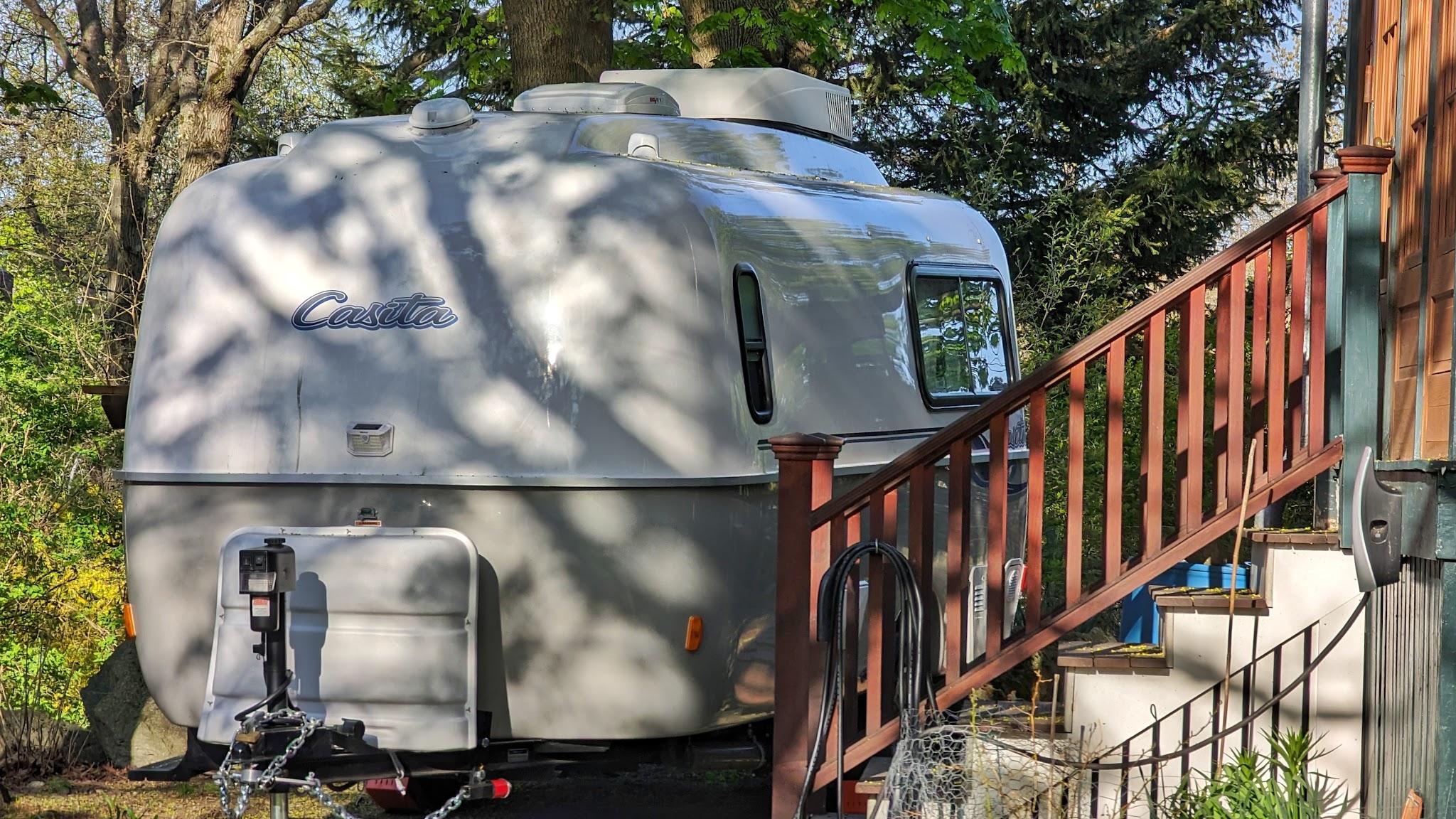
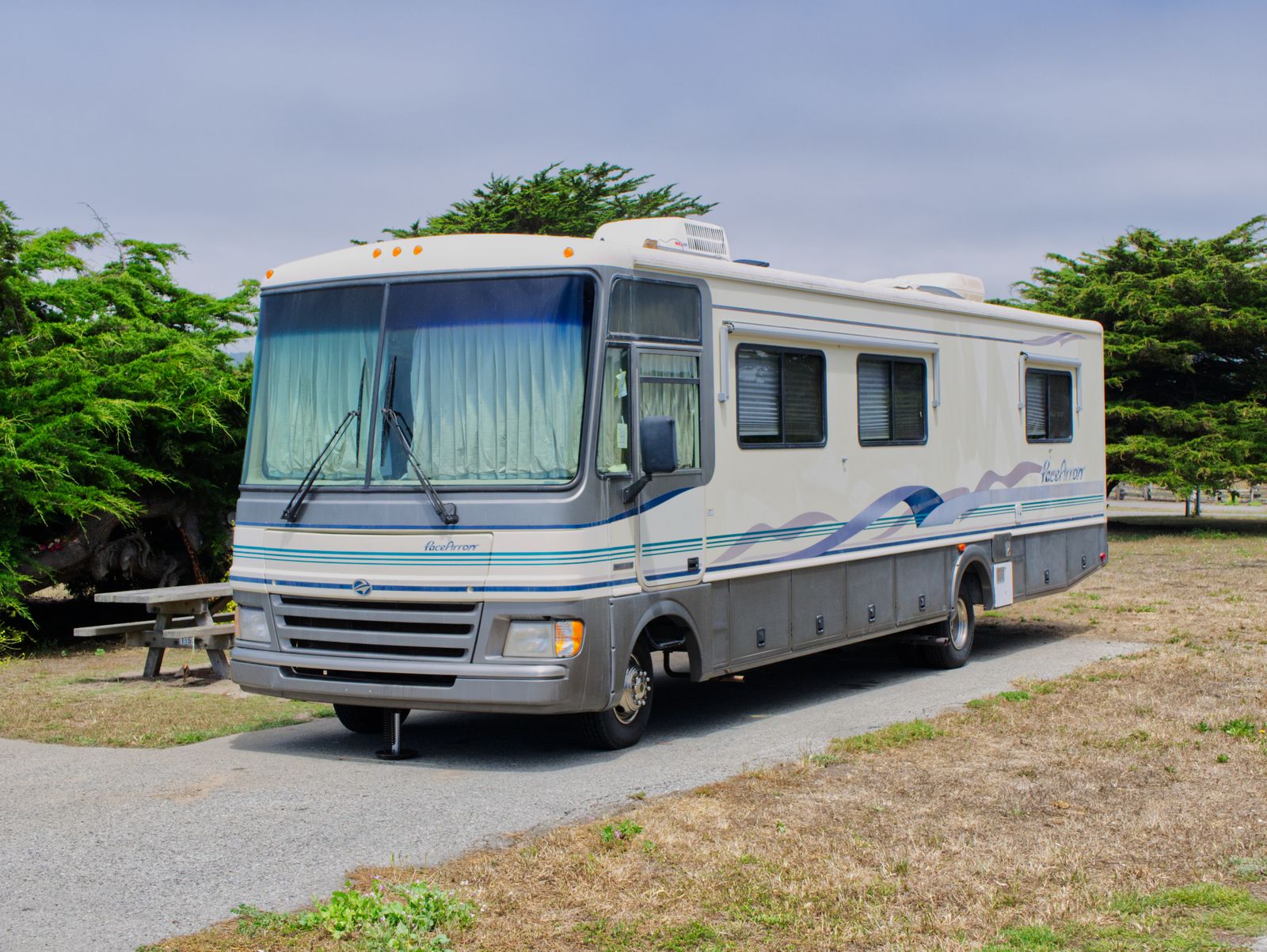
The RV shipping company guide can help compare providers for the road portions, but the booked ocean operator determines marine acceptance. Give the local carrier the exact terminal appointment and make sure its equipment can handle the RV without changing the dimensions supplied to the ocean service. If the RV is a towable, confirm whether it reaches the terminal on its own trailer or is carried; if it is a motorhome, state any running or braking limitation before the road carrier is dispatched.
At Hawaii release, do not assume a campground or residential destination can receive a large transport rig or the RV itself. Check height, width, turn radius, gate and parking constraints before the final movement. If the owner has not completed registration or if the RV needs mechanical service after shipment, arrange a suitable intermediate destination. Close the ocean condition record before that local movement begins so custody remains traceable.
For a travel trailer or fifth wheel, verify tire condition, wheel bearings, landing gear and the coupling equipment expected for the origin move. An ocean booking does not make an unsafe or immobile trailer ready for the road leg to the terminal. For a motorhome, disclose starting, steering and braking problems in the same way. The road and marine providers each need an accurate description of the unit they will actually handle.
If the RV's Hawaii destination is not on Oahu, verify whether a separate inter-island move is available for that RV size and whether the vehicle must be transferred between facilities. Do not assume the first ocean booking includes that connection. Treat any second island movement as another acceptance and custody step, with its own dimensions, release instructions and condition check.
RV acceptance is a booking-specific question
Use the state harbor list to identify the terminal question
Hawaii DOT operates commercial harbors on several islands. That supports asking which harbor the booking uses; it does not establish that any particular shipping company will accept this RV.
Sources
- FMCSA automobile transporter consumer advisoryBroker/carrier distinction and interstate registration checks.
- FMCSA cargo securement rulesFederal cargo securement framework, including vehicle and heavy-equipment provisions.
- Hawaii DOT Harbors Division - commercial harbor systemOfficial statewide commercial-harbor context; carrier-specific cargo acceptance must still be verified.