
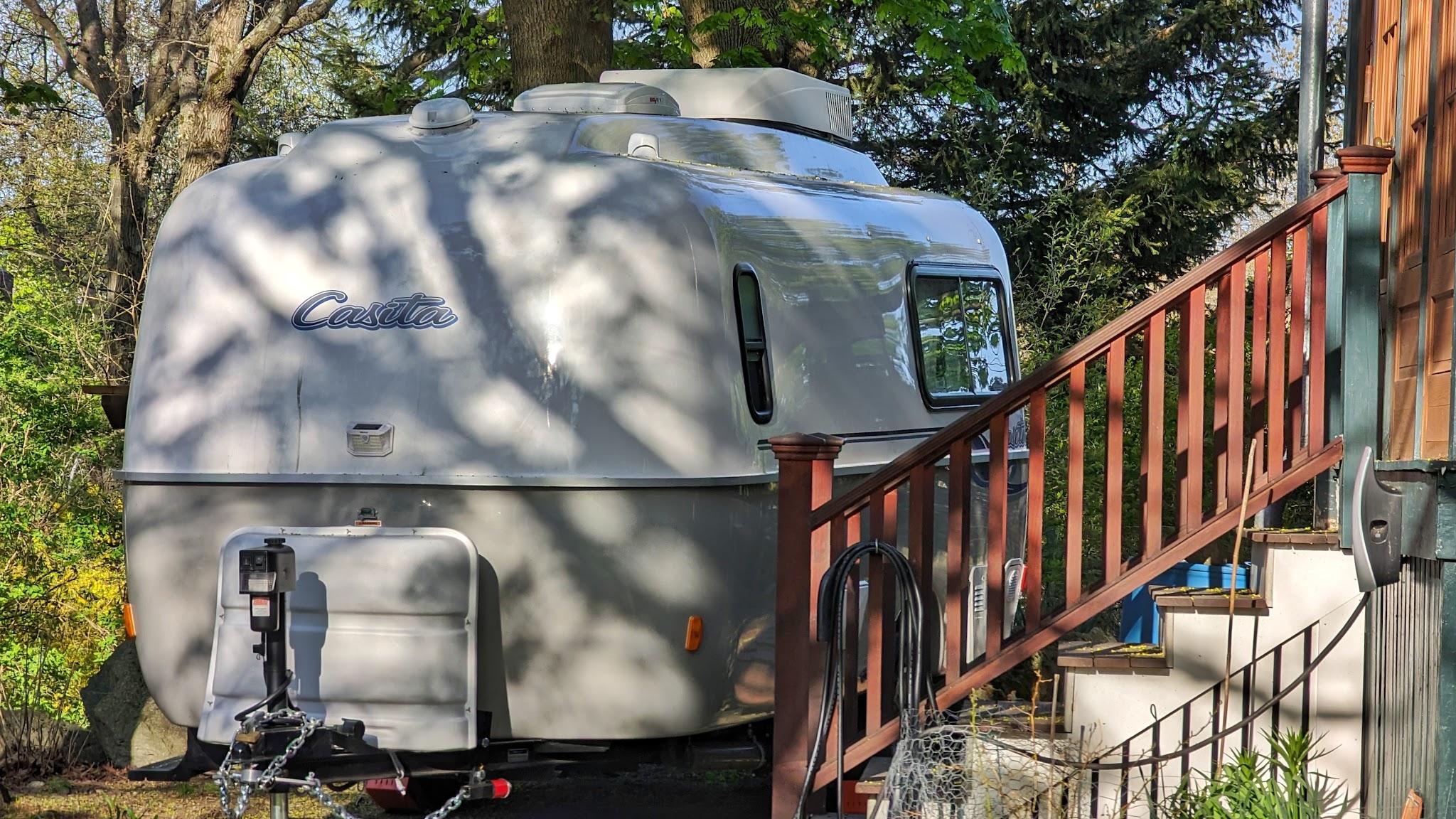
Treat California RV Shipping as an equipment-and-handoff problem first, with any extra site work kept separate from line-haul transport. extralegal permit planning is conditional on the measured load.
California RV shipping: extralegal permit planning is conditional on the measured load
Caltrans transportation permits address extralegal vehicles and loads, so exact loaded dimensions are the trigger—not the fact that the object is an RV. Separately, the provider should explain loading/securement and accept the actual pickup and delivery properties.
Resolve California RV Shipping loading responsibility before dispatch
For California RV Shipping, dimensions are operational facts, not paperwork. Verify which measurements include rooftop equipment, ladders, awnings, hitch components or other protrusions, and tell the mover when a number is estimated. The selected carrier can then decide what equipment and routing questions must be resolved before accepting the job. Use RV provider comparison to test equipment, responsibility and handoff against this California RV Shipping rig.
California RV shipping should identify two kinds of control at each handoff: the person authorized to release or receive the unit and the person who controls the property where the mover must work. Record keys or hitch access, unit condition and the exact point where custody changes. If the RV is towable, compare the plan with travel-trailer hauling companies and keep any dealer, storage-yard or site work separately assigned.
Turn this plan into comparable transport options
Use the actual vehicle, pickup and delivery details, timing and handling needs so every quote starts from the same scope.
California RV Shipping travel profile
Type, dimensions, attachments and mobility
Mover prices the rig that will actually travelSite work
Hitching, loading, staging and property access
Separate responsibilities are namedDelivery setup
Receiver, parking and final positioning
Road transport has a defined endpointMatch the RV condition to the move
Match the carrier’s equipment to the actual object rather than the category name; dimensions, operability and loading access can change what is workable.
The federal securement framework supports asking for the actual loading and restraint approach rather than assuming every trailer or carrier handles this object the same way.
Check property access for the proposed equipment
Separate the line-haul route from the two property handoffs; each handoff needs a location, an authorized contact and a workable carrier approach.
Separate road-readiness from California permit routing
Permit questions begin with the loaded configuration, but a legal route does not make a stored RV ready to tow or carry. Before dispatch, identify who verifies tires, brakes, lights, hitch or running gear when those items are material to the chosen method. If a defect forces recovery equipment, a different trailer or a new staging location, require the revised method and cost in writing. At delivery, state whether the mover stops at an accessible handoff or also positions the RV inside the property.