
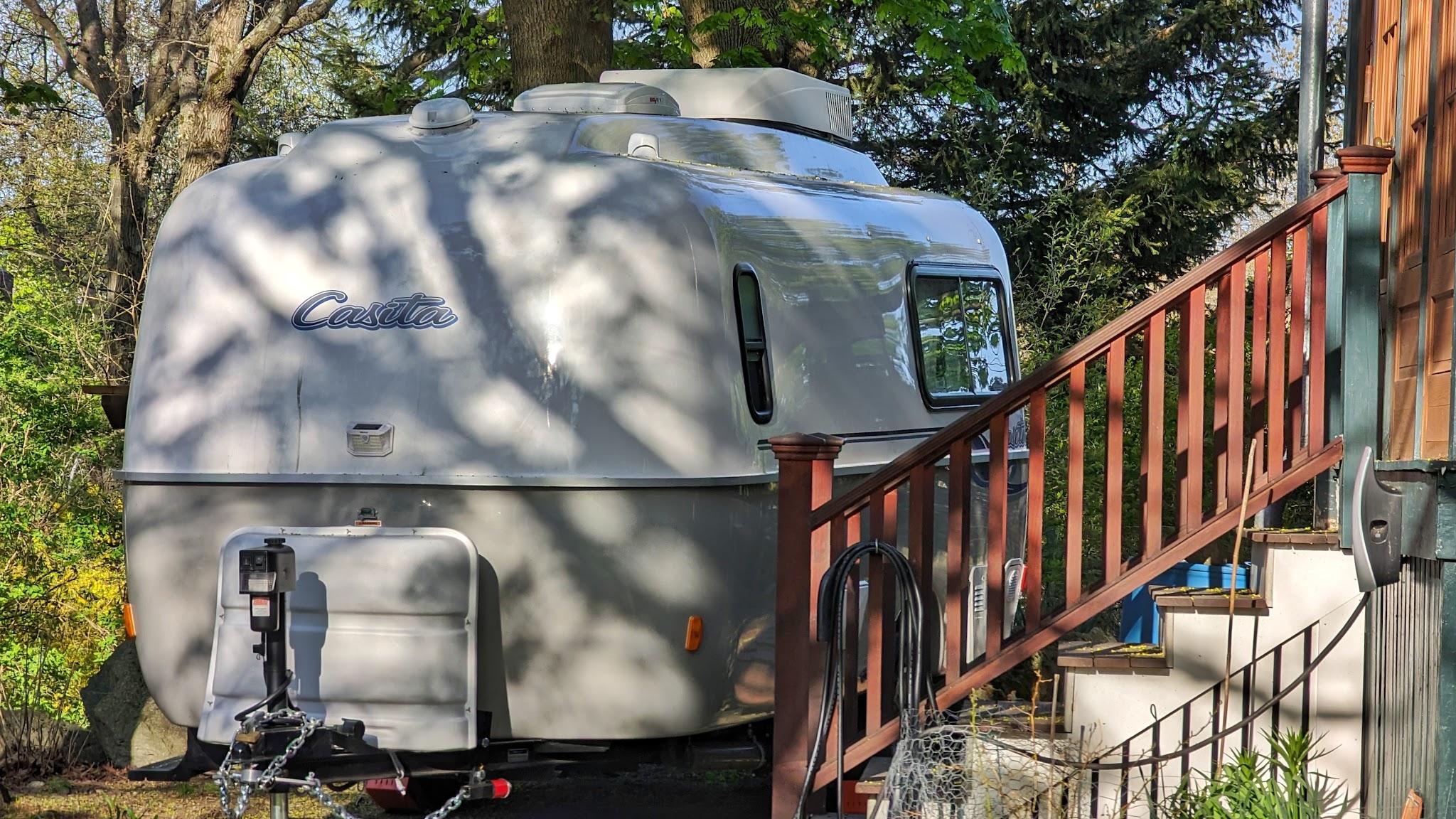
Choosing RV movers in Texas means matching the transport method to the actual unit condition. A roadworthy motorhome, a towable trailer and an RV that must be carried create different equipment and handoff requirements, so compare method-specific offers.
Ask for a method-specific offer
| Unit or condition | Question for the mover |
|---|---|
| Roadworthy motorhome | Driven delivery or carriage, and who handles operating costs? |
| Towable RV | What hitch, running-gear and weight information is required? |
| Disabled or inaccessible unit | What recovery or loading work precedes the journey? |
Unit or condition: Roadworthy motorhome
Question for the mover: Driven delivery or carriage, and who handles operating costs?
Unit or condition: Towable RV
Question for the mover: What hitch, running-gear and weight information is required?
Unit or condition: Disabled or inaccessible unit
Question for the mover: What recovery or loading work precedes the journey?
Build the Texas handoff around the actual rig
For Texas, record the travel configuration before asking a mover to price the job: motorhome or trailer type, overall dimensions, attachments, tire/rolling condition and whether the unit can be driven, towed or must be carried. If hitching, winching, blocking or a separate tractor is needed, make that part of the quoted scope rather than an assumption left for pickup day. Use RV provider comparison to test equipment, responsibility and handoff against this Texas rig.

Texas RV mover selection should account for the property as well as the highway movement. Confirm that the proposed tow vehicle or transport trailer has usable space and surface conditions at both ends, and identify who can authorize entry or a substitute handoff. For a towable unit, compare the quoted method with travel-trailer hauling companies and keep site access or hitching work separately described.
Turn this plan into comparable transport options
Use the actual vehicle, pickup and delivery details, timing and handling needs so every quote starts from the same scope.
| Decision | Clarify | Acceptance test |
|---|---|---|
| Texas travel profile | Type, dimensions, attachments and mobility | Mover prices the rig that will actually travel |
| Site work | Hitching, loading, staging and property access | Separate responsibilities are named |
| Delivery setup | Receiver, parking and final positioning | Road transport has a defined endpoint |
Identify who undertakes the work
Get the legal business name and ask whether it operates the movement or arranges another carrier. Request the assigned operator’s details and applicable coverage for the accepted method. A statewide service page is not evidence of a nearby fleet or a confirmed slot.
Use Texas limits with the actual configuration
TxDMV publishes size and weight limits for vehicles and loads on Texas roads and bridges. Have the mover assess the complete configuration, including towing or carrying equipment, rather than treating the RV’s model length as the whole question.
Ask who handles permit and route work if it is required. Do not classify an ordinary RV as manufactured housing merely to fit a different permit process.
Texas DMV reference
Resolve preparation and the receiving site
Arrange qualified condition checks where readiness is uncertain, and identify who disconnects utilities and prepares the unit according to its manufacturer. Confirm gate access, turning space and whether delivery includes placement on the final pad.
Have a property contact available to approve arrival. Utility connection and campsite setup are separate work unless the agreement expressly includes them.
Compare the full obligation
Review total charges, deposit and balance, cancellation and waiting terms. Ask what changes if condition or measurements differ at collection. Keep photographs and a delivery condition record, and identify the business handling claims or complaints.