
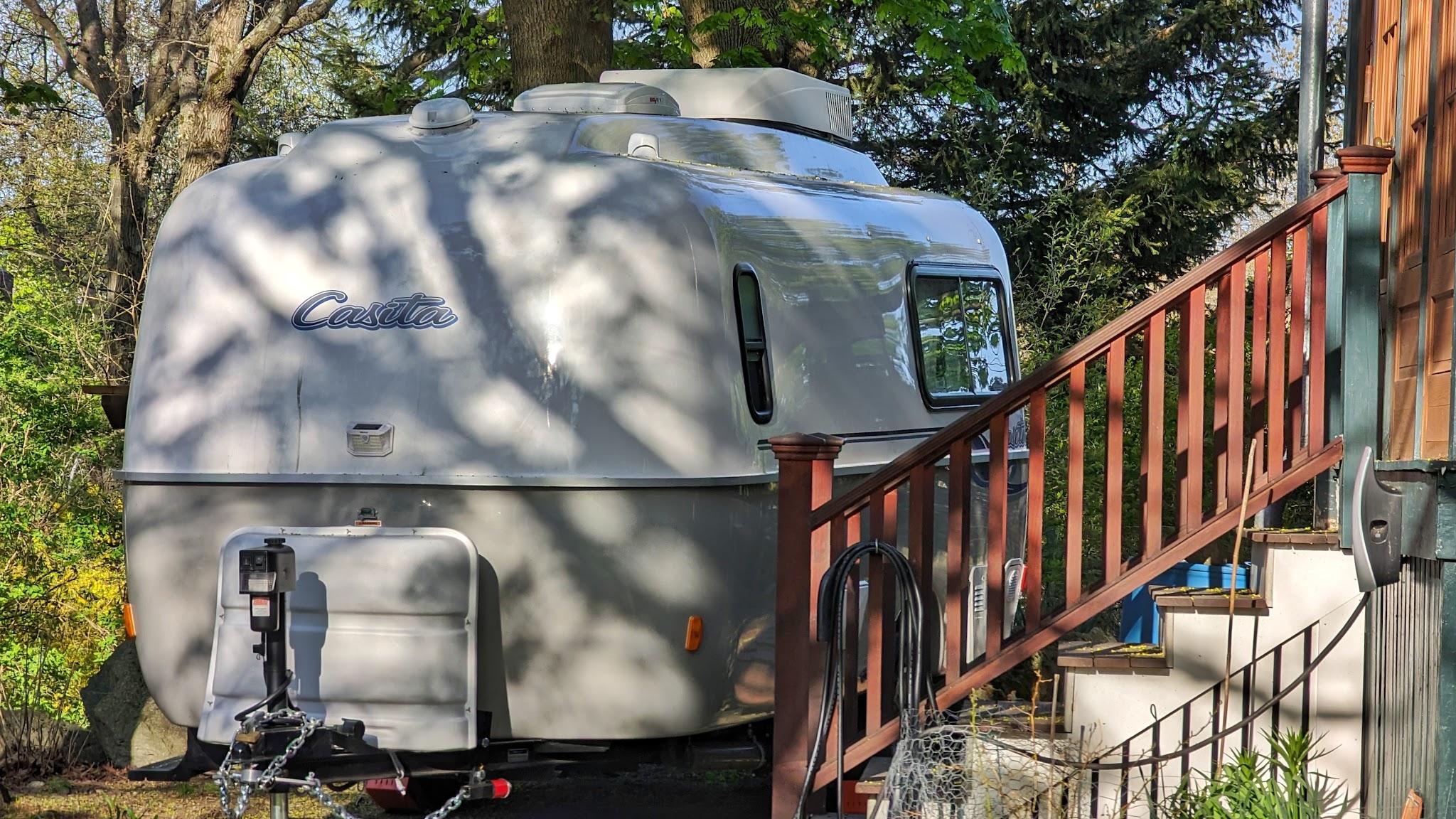
For RV transport in Michigan, quote the RV or trailer in the configuration that will actually travel, including dimensions, condition and loading or hitching responsibility. Start with the movement method.
Start with the movement method
| Your RV | Ask the transporter |
|---|---|
| Motorhome | Will it be driven or carried, and what condition must it be in? |
| Fifth-wheel | What hitch, weight and clearance information is needed? |
| Travel trailer | Who checks the coupler, running gear, brakes and lighting before towing? |
Your RV: Motorhome
Ask the transporter: Will it be driven or carried, and what condition must it be in?
Your RV: Fifth-wheel
Ask the transporter: What hitch, weight and clearance information is needed?
Your RV: Travel trailer
Ask the transporter: Who checks the coupler, running gear, brakes and lighting before towing?
Supply the model and actual measurements, including additions. An advertised model length does not settle the dimensions of the complete road configuration.
Match the Michigan rig to the movement method
For Michigan, record the travel configuration before asking a mover to price the job: motorhome or trailer type, overall dimensions, attachments, tire/rolling condition and whether the unit can be driven, towed or must be carried. If hitching, winching, blocking or a separate tractor is needed, make that part of the quoted scope rather than an assumption left for pickup day. Use RV provider comparison to test equipment, responsibility and handoff against this Michigan rig.

Michigan RV transport should match the rig to locations that can actually receive the proposed equipment. Ask who controls access at pickup and delivery, whether the mover has accepted the available space and surface, and who chooses a different meeting point if needed. When the RV is towable, use travel-trailer hauling companies to compare scope while leaving property and hitching responsibilities explicit.
Michigan travel profile
Type, dimensions, attachments and mobility
Mover prices the rig that will actually travelSite work
Hitching, loading, staging and property access
Separate responsibilities are namedDelivery setup
Receiver, parking and final positioning
Road transport has a defined endpointTurn this plan into comparable transport options
Use the actual vehicle, pickup and delivery details, timing and handling needs so every quote starts from the same scope.
A stored RV needs a release plan
Tell the operator how long the unit has been standing and whether it can be moved from its current position. Arrange qualified checks where condition is uncertain rather than promising roadworthiness from photographs. Identify flat tires, leaks, seized components, missing keys and any obstacle to recovering the unit from storage.
Agree who disconnects utilities, secures loose contents and follows the manufacturer’s travel-preparation instructions. If repair or recovery is needed before transport, obtain that scope separately so it is not mistaken for routine collection.
Do not use last season’s road assumptions
MDOT publishes seasonal weight restrictions, and county or city restrictions may follow different dates. For a movement affected by loaded weight or a restricted approach road, ask the operator to check the current route before setting the pickup window.
This does not mean every RV requires a special permit. The carrier should assess the unit and its transport configuration against the roads actually used.
Michigan DOT reference
Confirm who can receive and position it
A campground reservation or storage booking is not the same as acceptance of the transport vehicle. Ask the receiving site about gate hours, turning space and whether placement on a pad is included or needs a separate arrangement. Nominate a person authorized to inspect the unit and accept delivery.
Compare proposals on collection readiness, method, final positioning, timing flexibility and additional waiting or recovery charges. Photograph the RV before departure and retain its condition record for the arrival inspection.