

The practical answer for RV transport in Utah: match the delivery method to the rig is to match the rig’s actual travel profile with a hauler that can use both properties. Resolve which kind of move are you buying before relying on the result.
Which kind of move are you buying?
| Method | Information the provider needs |
|---|---|
| Towaway | Trailer type, coupler or fifth-wheel details, loaded weight and roadworthy condition |
| Haul on a transporter | Overall dimensions, weight, clearance and loading/unloading arrangements |
| Driveaway motorhome | Mechanical readiness, authorized driver arrangements and the agreed treatment of mileage and fuel |
Method: Towaway
Information the provider needs: Trailer type, coupler or fifth-wheel details, loaded weight and roadworthy condition
Method: Haul on a transporter
Information the provider needs: Overall dimensions, weight, clearance and loading/unloading arrangements
Method: Driveaway motorhome
Information the provider needs: Mechanical readiness, authorized driver arrangements and the agreed treatment of mileage and fuel
Ask who decides whether the vehicle is fit for the chosen method. A trailer that has sat in storage may need attention before towing; hauling it does not automatically remove the need to roll, steer or support it during loading.
Compare Utah movers on one travel profile
A useful Utah comparison separates the movement method from site services. Ask who connects the trailer, checks the breakaway/brake setup, supplies loading equipment, removes temporary items and handles any storage or repositioning. Providers can describe different service packages, so compare the complete list of responsibilities rather than a rate that covers only the highway leg. Use RV provider comparison to test equipment, responsibility and handoff against this Utah rig.
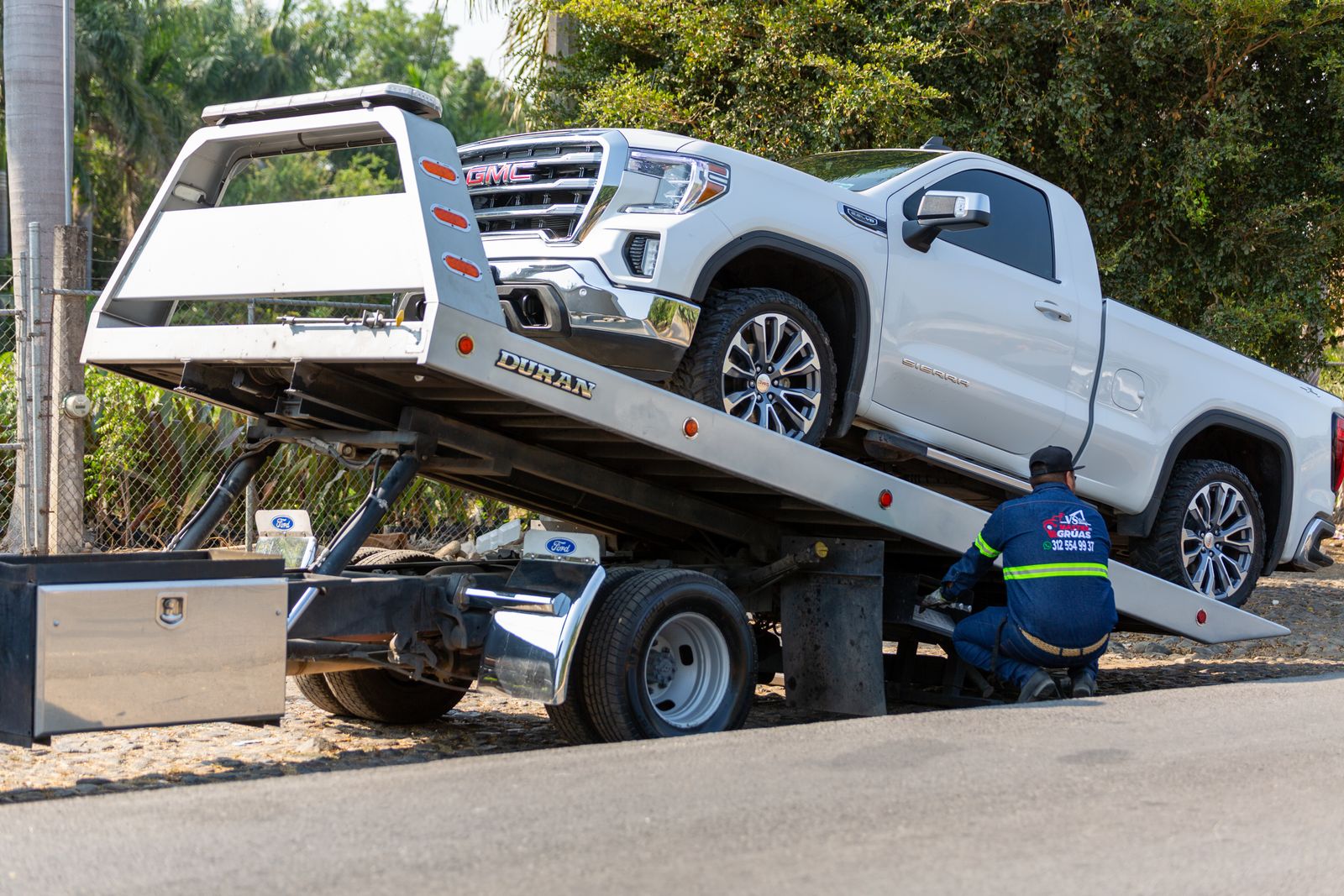
Utah RV transport is not complete at the highway exit: the quote should say who receives the unit, whether the property can accommodate it and who handles final placement. Separate repair or mobility work from transport if the RV cannot move as proposed. For a towable, review the offer against travel-trailer hauling companies so hitching, access and site responsibilities remain visible.
Utah travel profile
Type, dimensions, attachments and mobility
Mover prices the rig that will actually travelSite work
Hitching, loading, staging and property access
Separate responsibilities are namedDelivery setup
Receiver, parking and final positioning
Road transport has a defined endpointTurn this plan into comparable transport options
Use the actual vehicle, pickup and delivery details, timing and handling needs so every quote starts from the same scope.
Give the mover a candid condition description
List tire and running-gear concerns, brake issues, leaks, loose fittings and any modifications. Send photographs of the hitch, wheels, roofline and areas with low clearance. Tell the provider if slides or awnings cannot be secured in travel position.
Get its instructions for tanks, propane, batteries and personal contents. Do not assume the RV is accepted as a packed household shipment. Record exactly what remains aboard and which preparation work you or a qualified service shop will complete before collection.
Utah access must fit the loaded combination
UDOT publishes motor-carrier size and weight provisions and temporary construction restrictions. For a hauled or unusually large RV, ask the operator to check the loaded combination and proposed Utah route against the applicable requirements. A route usable by the RV under its own power may not suit it on a trailer. Utah DOT
Provide the final campground, storage yard or residential access details. Confirm gate hours, turning space and the permitted unloading area with the destination. A highway route review does not reserve a campsite or authorize entry to a private road.
Define when the delivery job is finished
- Does the price stop at the entrance or include positioning in an agreed space?
- Who can receive the keys or trailer when you are absent?
- Are fuel, tolls, permits, waiting and storage itemized or included?
- What happens if a defect is discovered before departure?
- How are condition differences recorded at delivery?
Separate road delivery from setup, utility connection and mechanical commissioning unless the contract expressly includes them. Keep arrival flexibility or a preapproved storage alternative if the receiving site cannot accept the rig at the expected time.