
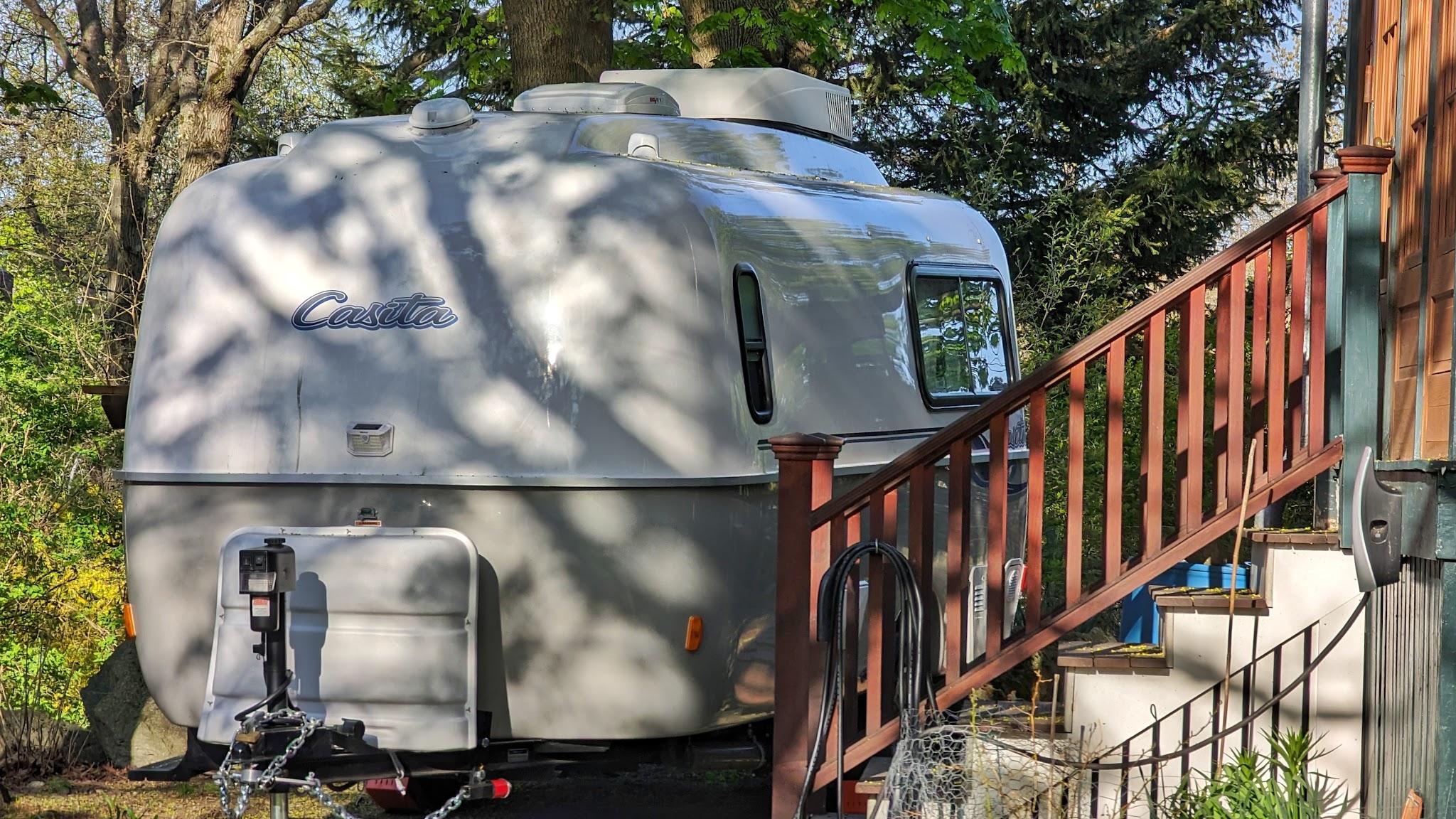
Treat Trailer Hauling Service Near Me as an equipment-and-handoff problem first, with any extra site work kept separate from line-haul transport. Define the trailer and rolling condition before choosing a hauler.
Resolve Trailer Hauling Service Near Me loading responsibility before dispatch
For Trailer Hauling Service Near Me, dimensions are operational facts, not paperwork. Verify which measurements include rooftop equipment, ladders, awnings, hitch components or other protrusions, and tell the mover when a number is estimated. The selected carrier can then decide what equipment and routing questions must be resolved before accepting the job. If the unit is towable, compare the proposed scope with travel-trailer hauling companies and keep hitching/site work explicit.
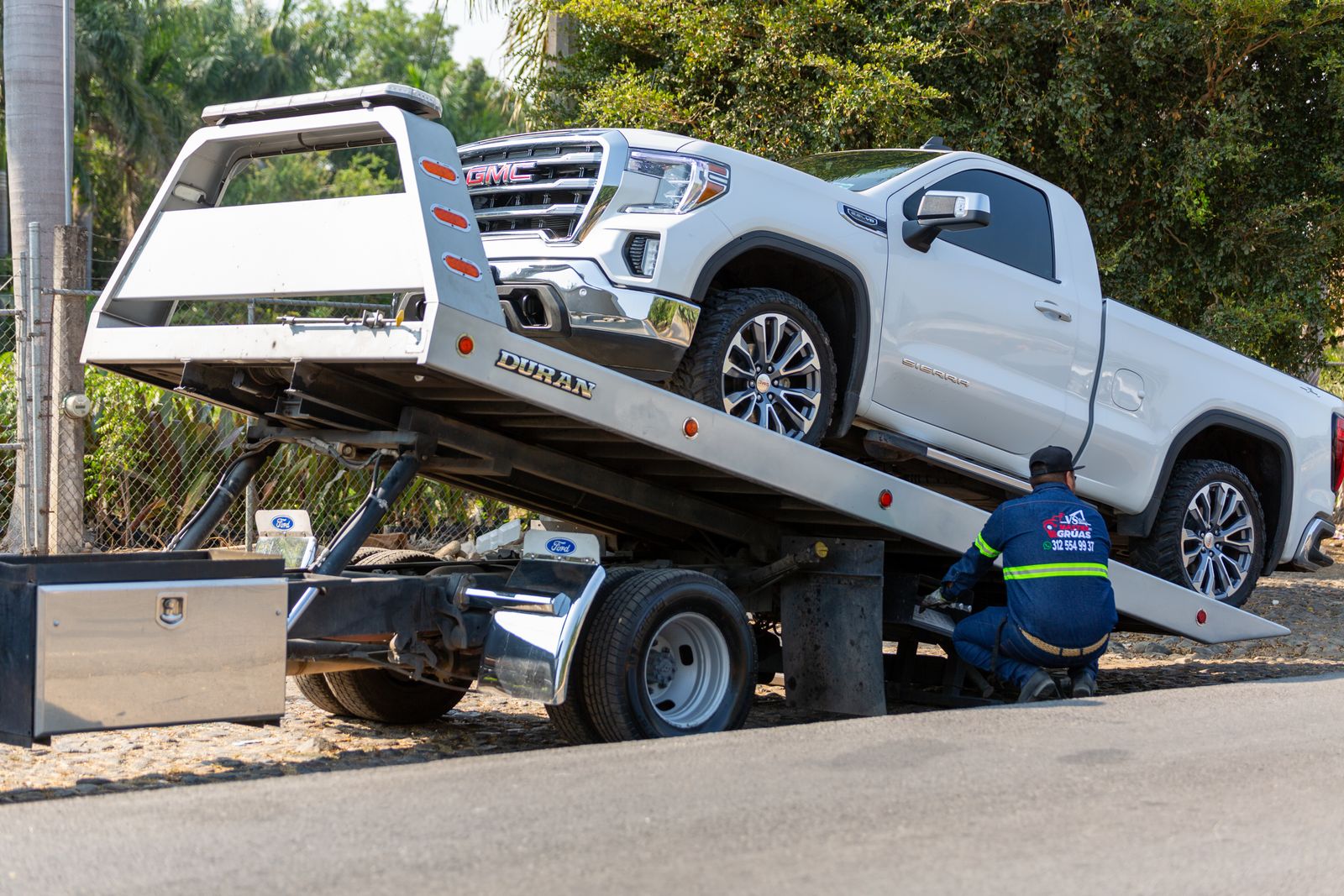
At both endpoints, identify the person controlling the property and the person controlling the RV or trailer. Those may be different people at a dealer, storage facility or campground. A clear handoff record should state who releases the keys or hitch access, what condition is documented, and where responsibility changes at delivery. Use RV provider comparison to test equipment, responsibility and handoff against this Trailer Hauling Service Near Me rig.
Turn this plan into comparable transport options
Use the actual vehicle, pickup and delivery details, timing and handling needs so every quote starts from the same scope.
Trailer Hauling Service Near Me travel profile
Type, dimensions, attachments and mobility
Mover prices the rig that will actually travelSite work
Hitching, loading, staging and property access
Separate responsibilities are namedDelivery setup
Receiver, parking and final positioning
Road transport has a defined endpointDescribe the trailer as transported
Choose between towing the trailer and carrying the trailer
The quote should state whether the trailer will roll on its own running gear or be carried on other equipment. That distinction controls preparation, loading space and the provider capability being compared.
Describe the trailer as it will actually travel
Record trailer type, overall travel dimensions, approximate weight information, axle and tire condition, hitch or kingpin details, brakes and whether it rolls freely. Note rooftop equipment, ladders, awnings or cargo that changes the transport profile. The hauler should accept those facts before choosing tow-away or carried transport, rather than discovering a different configuration at pickup.
Also name the release contact, property-access contact and receiver. If the trailer cannot leave its storage position without extra work, identify who supplies the tractor, winch, lift or local repositioning and whether that work is included in the quote.