
West Coast yacht transport is not one service. Define the exact origin and destination facilities, yacht dimensions and weight, cradle or trailer status, lifting capability at both ends, whether the yacht moves by road or aboard another vessel, and who handles marina, yard, permit and launch responsibilities. The workable plan begins with two real facilities, not a regional label.
Replace the regional label with two facilities
Specify the departure and arrival boatyards, marinas or ports, including the country. State whether you seek an overland haul, carriage on another vessel or a yacht-delivery passage. Until those details are resolved, a regional yacht-transport enquiry cannot support a reliable price or schedule.
Ask each specialist for the same boundary
| Proposal | What needs clarification |
|---|---|
| Yard-to-yard road movement | Loaded dimensions, lifts and route acceptance |
| Port-to-port carriage | Local delivery, loading and destination release |
| Delivery passage | Yacht condition, crew responsibilities and contingency |
Proposal: Yard-to-yard road movement
What needs clarification: Loaded dimensions, lifts and route acceptance
Proposal: Port-to-port carriage
What needs clarification: Local delivery, loading and destination release
Proposal: Delivery passage
What needs clarification: Yacht condition, crew responsibilities and contingency
Avoid a gap between the yard and transporter
Have qualified parties approve hull support, lifting arrangements and removal of masts or fittings. Record who stores each removed item and completes reassembly. Ask the insurer to address each handling phase rather than assuming a transit policy includes every yard operation.
Transport and permission to use the yacht differ
California DMV publishes vessel registration requirements and exceptions. If California is the destination, check the rules relevant to your vessel and intended operation; do not treat the transport receipt as registration. For another West Coast jurisdiction, use that jurisdiction’s authority instead.
Confirm a receiving berth or yard appointment before fixing the final arrival plan. No particular port, border crossing or coastal route is assumed here.
California DMV reference
Start with the yacht’s transport-ready specification
Provide length overall, beam, draft, height from the intended support point, weight and the location of masts, radar arches, hardtops, towers, stabilizers, tenders or other equipment that changes the transport envelope. State whether the yacht already has a road trailer or cradle and whether that equipment has been accepted for the proposed movement. If items must be removed for clearance, identify who removes, labels, stores and reinstalls them.
Photos should show the hull, keel or running gear, superstructure, lifting points where documented by the vessel or yard, and the access area around the boat. Do not ask a road hauler to infer dimensions from a model name or sales listing.
Choose between road movement and waterborne carriage before comparing prices
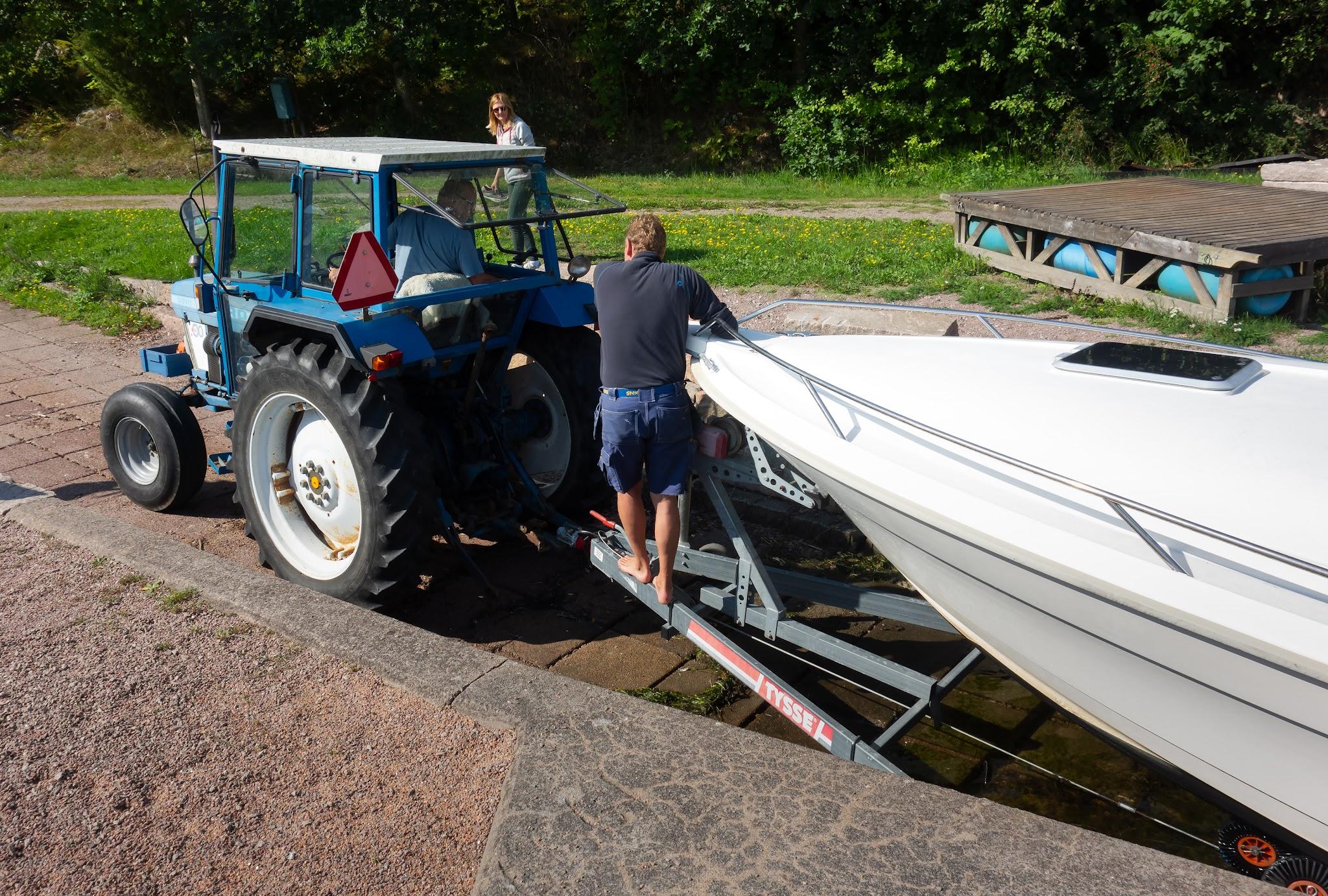
A road move requires transport equipment, route feasibility, loading and unloading facilities and any permit or escort work triggered by the actual loaded dimensions. Waterborne carriage aboard another vessel creates terminal, lifting, cradle, ocean or coastal schedule, discharge and onward-delivery questions. A yacht moving under its own power is a different service again, involving crew, vessel condition and operational passage planning rather than cargo carriage.
The yacht transport methods guide lays out those distinct movement paths. Use it to classify the job before asking several providers to quote what may otherwise be different services.
Turn this plan into comparable transport options
Use the actual vehicle, pickup and delivery details, timing and handling needs so every quote starts from the same scope.
Confirm what each marina or yard can actually do
Ask the origin facility whether it can provide the lift, travel-lift slot, staging area, mast work or other preparation required by the chosen method. Ask the destination the same questions independently. A yard that can launch the yacht may not be able to receive the transport equipment you selected, and a commercial terminal may not perform marina-style preparation.
Record appointment requirements, insurance or contractor-access rules, operating hours and any limit that affects the hauler’s arrival. If a third-party crane or rigger is needed, decide who schedules that contractor and what happens if transport and lifting appointments do not align.
For road transport, price the route as a load-specific project
Do not assume a West Coast highway route is feasible because two yards are connected by major roads. The loaded yacht and trailer determine the actual height, width, weight and turning needs. Ask the hauler who performs route review, obtains permits where required and coordinates any escorts or utility issues. The yacht transport by road cost guide helps expose those line items without inventing a per-mile rate.
Keep custody and condition records through every lift
Photograph hull sides, rails, windows, propellers, rudders, antennas and removable gear before preparation begins. Inventory items removed for transport and name the person who receives them. At each transfer—from marina to hauler, hauler to terminal, or destination yard to owner—record who accepted the yacht and whether any condition exception was noted.
Registration or permission to operate the yacht at destination is separate from moving it there. Resolve state registration, local marina requirements and any import issue that applies to the specific movement, but do not treat those administrative steps as proof that the transport itself is booked correctly.
Coordinate yard appointments with the actual transport sequence
For an overland yacht move, ask the origin yard when the boat can be lifted, staged and made available to the transporter, then ask the receiving yard when it can accept the loaded combination and perform the unload or launch. Keep crane or travel-lift bookings conditional on the road plan when possible. A missed yard window can create waiting, storage or rescheduling costs even when the line-haul portion is unchanged.
If fittings must be removed to meet the route plan, identify who removes, protects, carries and reinstalls them. Record the transport-ready dimensions after that work rather than assuming the yacht's published specifications describe the loaded road configuration.