
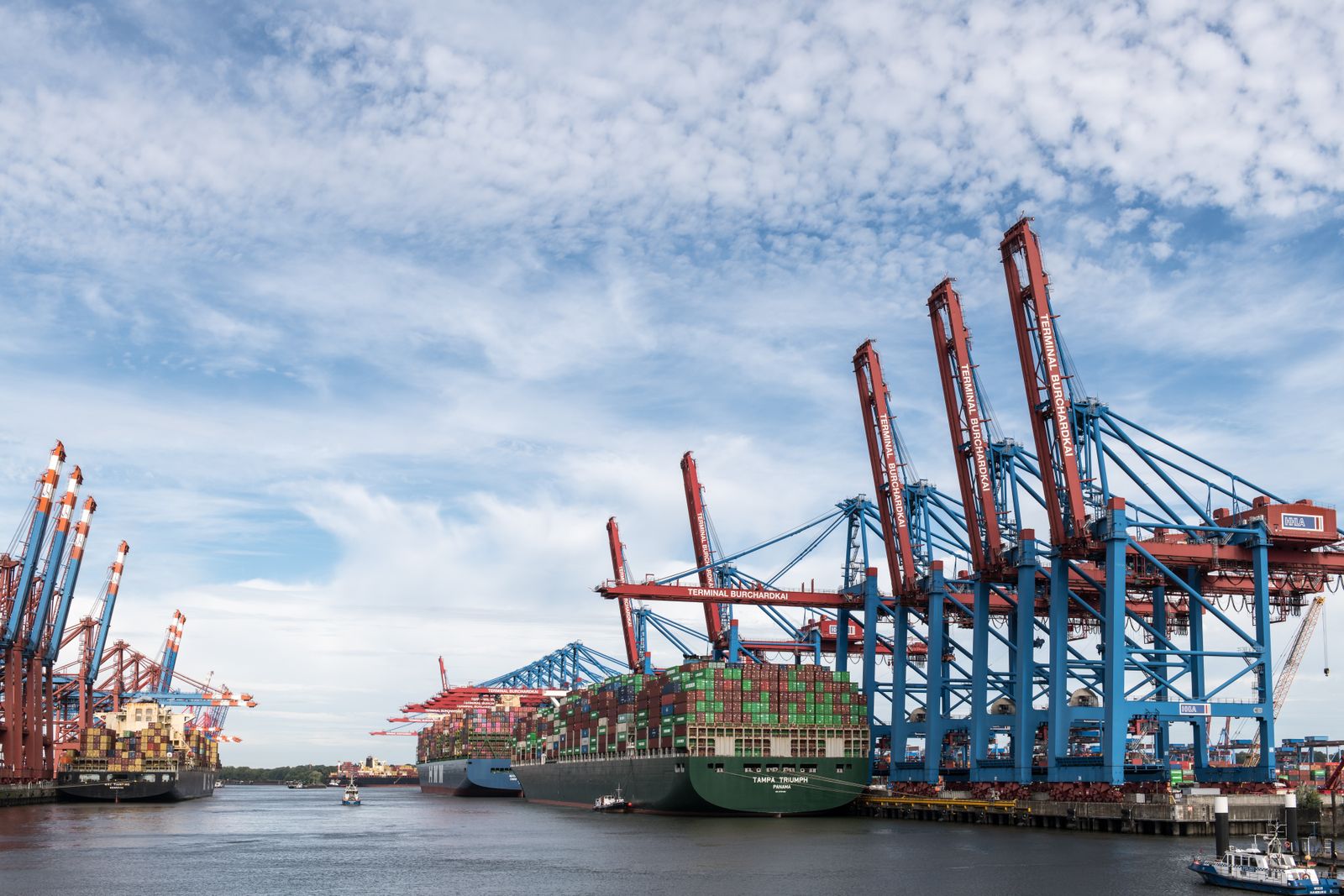
A boat shipping cost estimate to Hawaii must name the island or destination facility, the boat’s transport-ready dimensions and weight, trailer or cradle status, origin delivery method, ocean carrier acceptance, terminal handling, destination release and onward movement. A port-to-port freight number is not a complete door-to-marina budget unless those additional responsibilities are included.
Identify what the quoted journey starts and ends with
Is the boat already at an accepted departure terminal, or must it be collected from a marina or home? Will it arrive on the island where you intend to use it, or is another transfer needed? Ask the operator to name the facilities and identify every segment included in the price.
A port delivery is not a reservation for a berth, a launch ramp or a receiving yard. Arrange that final step while comparing transport options, particularly if the boat will need lifting equipment after arrival.
Get the sea carrier to accept the actual boat
- Provide transport length, beam, height and reliable weight.
- Describe the trailer or cradle and whether it travels with the boat.
- List motors, fuel systems, batteries and loose equipment.
- Ask for cleaning, preparation and prohibited-contents instructions.
- Confirm who supplies and checks the supports.
Do not assume a boat will fit a service merely because a passenger car fits it. The accepted configuration and handling method should be written into the quotation.
Use these lines to expose missing costs
| Budget line | What to ask |
|---|---|
| Origin movement | Collection, haul-out, preparation and delivery to the departure facility |
| Ocean service | Freight basis, surcharges and handling assumptions |
| Protection | Cargo coverage and exclusions during lifts or storage |
| Hawaii receipt | Terminal charges, collection window and onward transport |
| Delay allowance | Storage, missed appointments and rescheduling exposure |
Budget line: Origin movement
What to ask: Collection, haul-out, preparation and delivery to the departure facility
Budget line: Ocean service
What to ask: Freight basis, surcharges and handling assumptions
Budget line: Protection
What to ask: Cargo coverage and exclusions during lifts or storage
Budget line: Hawaii receipt
What to ask: Terminal charges, collection window and onward transport
Budget line: Delay allowance
What to ask: Storage, missed appointments and rescheduling exposure
Hold dimensions, origin and destination island constant across proposals. Ask how a measurement change affects the price and who approves additional work.
Receiving the cargo is not the same as using the vessel
Hawaii’s Division of Boating and Ocean Recreation publishes vessel registration, titling and facility-use information. Check the requirements relevant to your boat and intended activity separately from the freight booking. A paid shipping invoice does not confer a berth or permission to operate. Hawaii DLNR DOBOR
Name the person who will receive arrival notices and inspect the boat. Photograph condition and supports before shipment, then compare them at release. If collection is delayed, know when storage charges begin and which operator must be contacted.
Compare an accepted sailing with a complete estimate
Ask whether a rate assumes direct arrival at the chosen island or a transfer through another facility. Have the seller name the operator responsible for each segment and explain what happens if an onward connection is missed. Do not infer a particular sailing or island connection from a general Hawaii service advertisement.
Turn this plan into comparable transport options
Use the actual vehicle, pickup and delivery details, timing and handling needs so every quote starts from the same scope.
A useful comparison sheet has a firm-price column, an allowance column and an excluded-work column. Add all three only after excluded work has been independently priced. If one quote includes a cradle and another requires you to supply it, the ocean-freight figures alone are not comparable. Resolve who retains or disposes of the cradle at destination as well.
Name the Hawaii endpoint before asking for a complete estimate
“To Hawaii” is not a final handoff. Identify the island, commercial terminal or other carrier-approved destination and the facility where the boat is ultimately supposed to go. Confirm whether the ocean service you are pricing actually serves the required destination for the boat’s size and shipping method. If an inter-island or local road leg is needed after discharge, price and schedule that leg separately.
Do not use a quote for one island or terminal as though it automatically applies to another. The Hawaii boating reference already on this page can help with destination-side boating administration, but it does not tell you which ocean carrier will accept a specific boat or what that carrier will charge.
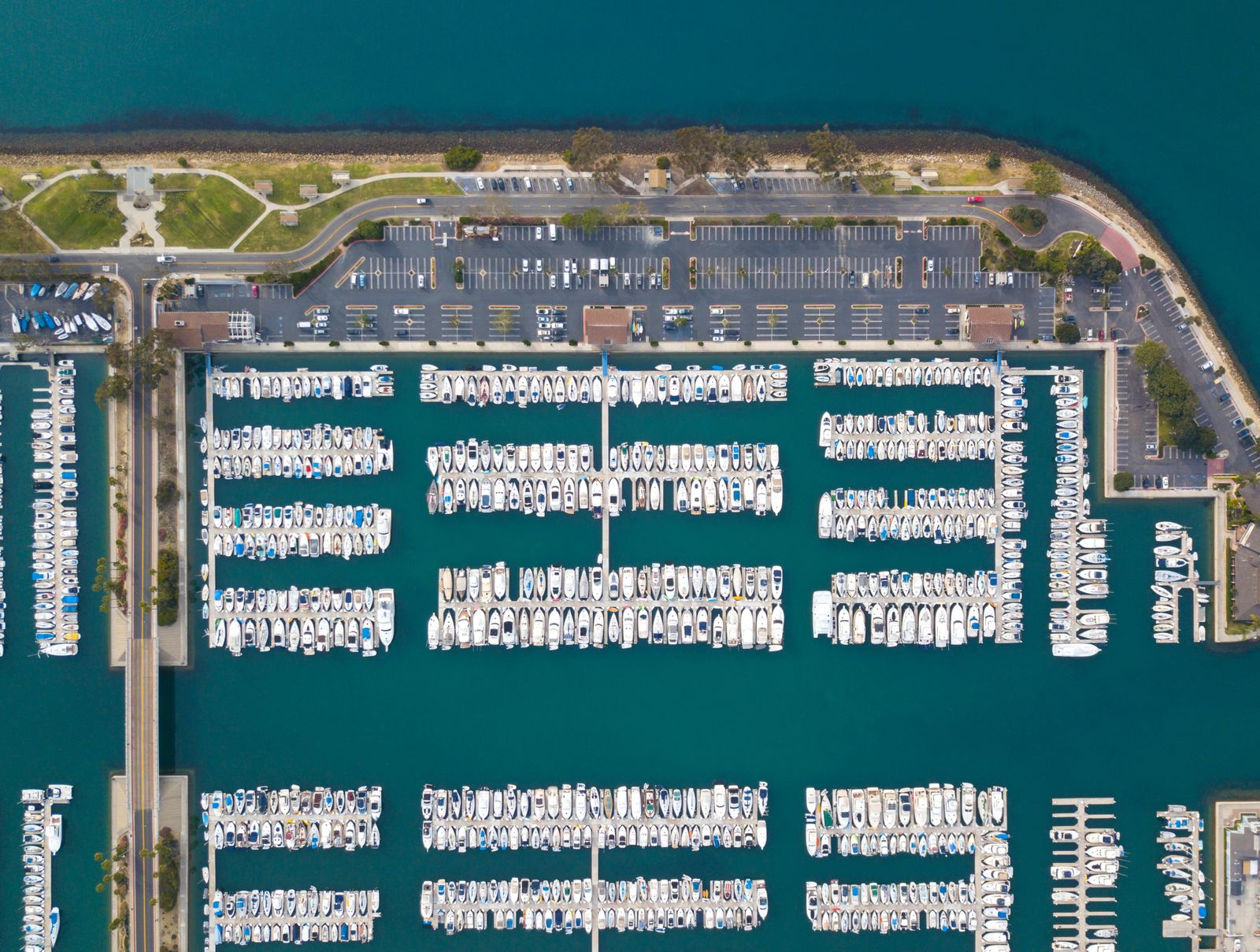
Give the carrier a transport-ready boat specification
Provide length, beam, transport height, weight, hull type, engines and any tower, arch, mast, antenna or equipment that affects the shipping envelope. State whether the boat sits on its own trailer, needs a commercial trailer or cradle, or requires a lift at origin or destination. A quote based only on model name can fail when options or installed equipment change the dimensions.
If a trailer is included, ask whether the ocean carrier accepts that trailer and what condition or documentation it requires. If the boat is shipped without one, identify who supplies the cradle or handling equipment and who is responsible for loading it at each handoff.
Build the budget as a chain of responsibility
List inland haul or owner delivery, origin terminal handling, ocean freight, documentation, destination terminal charges, storage exposure, local haul, lifting or launch services and any applicable taxes or fees. Ask each provider which lines are included and which are paid directly to another party. A single all-in figure is only useful when its service boundary is written clearly.
The boat-to-Hawaii route guide is useful for organizing the transport chain. If the boat will travel over the road to or from the port, the boat hauling cost guide can help separate road work from ocean freight rather than blending the two into an unexplained total.
Plan for schedule risk without inventing a transit promise
Ask what event constitutes carrier acceptance, when the boat must reach the terminal for a booked sailing, what happens if it misses the cutoff, and when storage can begin. Ocean schedules can change, so connect downstream yard, travel and launch appointments to confirmed release rather than to an optimistic arrival assumption.
At destination, name the person or company that receives the release notice and the party authorized to collect the boat. If a yard or marina appointment is needed, confirm that the local transporter and facility can coordinate the handoff before the boat departs the mainland.