
Provide the tractor’s make, model, wheelbase, height, length and reliable weight. List sleeper configuration, fairings, auxiliary equipment and anything protruding beyond the standard dimensions. If a trailer is included, describe it separately with its contents and roadworthiness.
Specify the unit rather than saying “semi”
Report whether the truck starts, moves, steers and brakes. A disabled tractor may require recovery or loading assistance that a normal haul quote does not include. Ask the operator to accept that condition and identify who provides the additional work at each end.
Compare feasible methods before comparing money
| Method | Resolve with the provider |
|---|---|
| Haul as cargo | Loading equipment, full loaded dimensions and unloading plan |
| Driveaway | Vehicle readiness, driver arrangement, mileage, fuel and operating responsibility |
| Specialized combination movement | Exact configuration and provider acceptance, without assuming availability |
Method: Haul as cargo
Resolve with the provider: Loading equipment, full loaded dimensions and unloading plan
Method: Driveaway
Resolve with the provider: Vehicle readiness, driver arrangement, mileage, fuel and operating responsibility
Method: Specialized combination movement
Resolve with the provider: Exact configuration and provider acceptance, without assuming availability
Do not infer that a roadworthy truck must be driven or that hauling automatically avoids all preparation. Request separate written proposals for the methods an operator has actually confirmed it can provide.
Price the conditions behind the quote
FHWA states that oversize and overweight permits are handled through state processes. For a hauled truck, ask the carrier to assess the combined load rather than the tractor’s standalone height. Have permit, escort or route-survey allowances explained where applicable. FHWA
- Collection and final delivery locations.
- Loading, recovery or mechanical assistance.
- Preparation and reinstatement of removed equipment.
- Route-related charges and waiting terms.
- Fuel and operating expenses for a driveaway proposal.
Compare total committed charges plus clearly labelled allowances. An illustrative $4,000 transport figure and $750 loading charge total $4,750 before any excluded work; they are not a rate estimate for your truck.
Define who receives a commercial vehicle
Confirm the receiving yard’s access, staff and unloading capability. Keep keys, inventory and condition photographs with the shipment record. For driveaway, agree odometer and fuel recording; for hauled service, document loading and unloading condition.
Ask for applicable coverage and claims terms for the chosen method. If a workshop or sale deadline matters, clarify the contractual date and a delay plan before release. Choose the proposal whose configuration and responsibilities match the truck you are moving.
Separate tractor-only, tractor-and-trailer, and loaded-trailer jobs
A tractor moved by itself is a different transport problem from a tractor attached to an empty trailer, and both are different from a combination carrying freight. State exactly what is included and whether a trailer contains cargo. If the trailer is part of the move, provide its dimensions, weight and roadworthiness separately. Commercial cargo inside it can create responsibilities that are outside a simple vehicle-transport quote, so do not let the word “semi” hide the real load.
Turn this plan into comparable transport options
Use the actual vehicle, pickup and delivery details, timing and handling needs so every quote starts from the same scope.
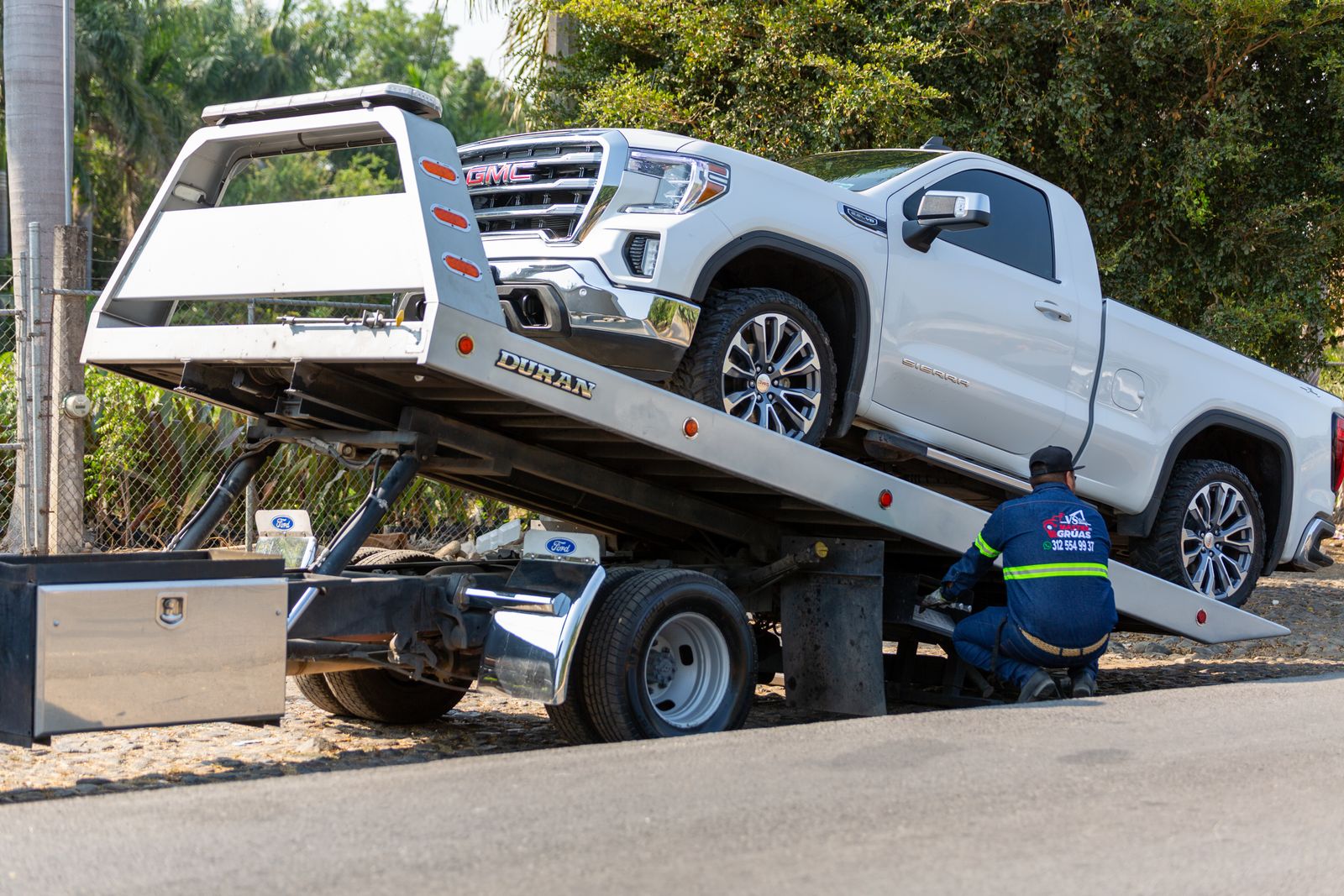
For a haul-as-cargo proposal, require the transporter to assess the full loaded profile, including the trailer used to carry the tractor. For a driveaway proposal, record who supplies the driver, which operating costs are included, who is responsible for permits or temporary registration if applicable, and how the vehicle’s mileage and fuel are documented.
Treat a disabled tractor as a loading project
“Non-running” is not specific enough. Tell the provider whether the tractor can roll freely, steer, build air, release its brakes and be moved from its parking position. A vehicle that will not start but rolls can require a different plan from one with locked brakes or damaged steering. Ask who supplies recovery, winching, lifting or mechanical assistance and whether the collection and delivery sites can accommodate that equipment.
Do not instruct the driver to improvise a repair or loading method. If technical work is needed to make the truck safe to move, arrange it with a qualified service provider and tell the transporter what condition it can rely on at the appointment.
Compare the complete commercial impact, not only freight
For a roadworthy tractor, driveaway can appear cheaper than carriage until fuel, tolls, driver travel, additional mileage and wear are accounted for. Haul-as-cargo can cost more up front but avoid some operating exposure. Put those consequences beside the quoted price rather than assuming one method is always economical. The truck shipping quote guide provides a worksheet for comparing the same scope across providers.
If specialized loading makes the job resemble machinery transport, review the heavy-equipment cost factors as well, particularly site access and route allowances. The final choice should be based on a method that the provider has accepted for the exact tractor, not on a generic per-mile figure.
Control the sale, shop or fleet handoff
Commercial vehicles are often released by a dealer, auction, fleet yard or repair shop rather than the owner. Confirm release authority, operating hours, keys, title or gate-pass requirements and the person authorized to approve a schedule change. At the destination, verify unloading capability and whether the receiving yard can accept a large transport rig.
Keep a dated condition record, equipment inventory and odometer reading where relevant. If the truck carries removable tools or installed accessories, identify what remains with the vehicle. Those records reduce ambiguity when custody passes through several commercial parties and make the quoted service easier to audit after delivery.