
Identify whether the load is a pickup, box truck, service truck, tractor or another configuration. Include body equipment, wheelbase, height, length, weight evidence and any attachments. Report whether it starts, rolls, steers and brakes.
Send the details that change equipment choice
Provide site photographs and explain loading access at both ends. Ask the bidder to state the method it accepts: carry the truck, drive it, or use another specifically described arrangement. Do not compare a driveaway total with a haul figure until fuel, mileage, preparation and handling are accounted for.
Calculate the complete quoted amount
| Field | Your entry |
|---|---|
| Transport charge | Written price for the specified method and endpoints |
| Loading and unloading | Assistance or recovery not included above |
| Route costs | Confirmed permits, escorts or survey charges if needed |
| Preparation and reinstatement | Work required for the accepted configuration |
| Other confirmed costs | Storage, terminal handling or driveaway expenses |
Field: Transport charge
Your entry: Written price for the specified method and endpoints
Field: Loading and unloading
Your entry: Assistance or recovery not included above
Field: Route costs
Your entry: Confirmed permits, escorts or survey charges if needed
Field: Preparation and reinstatement
Your entry: Work required for the accepted configuration
Field: Other confirmed costs
Your entry: Storage, terminal handling or driveaway expenses
Add those five fields for the committed total. Record unknowns in a separate allowance column rather than entering zero. Ask the operator to explain which figures are fixed and which can change.
A worked example, not a tariff
Suppose a hypothetical proposal lists $1,800 transport, $250 loading help and $150 confirmed route costs, with no other quoted work. The known amount is $2,200. If unloading is excluded and not yet priced, $2,200 is not the completed-move cost. A second $2,400 offer including unloading may be better or worse only after that missing item is resolved.
Do not multiply an advertised per-mile number by a passenger-map distance and call it a firm quote. Equipment, route acceptance and site work still need confirmation. Compare two offers using identical truck and handling assumptions.
Validate the proposal before accepting it
FHWA explains that oversize and overweight permits are a state process. Ask the carrier to assess its loaded configuration and route, then explain any permit allowance rather than assuming the truck’s own dimensions settle the question. FHWA
Obtain cancellation, waiting, payment and change-approval terms. Ask for coverage and the claims contact for the chosen method. Record condition, keys and equipment before release; for a driveaway service, agree how mileage and fuel are documented. The useful result is a traceable total with visible exclusions, not an unexplained calculator output.
Turn this plan into comparable transport options
Use the actual vehicle, pickup and delivery details, timing and handling needs so every quote starts from the same scope.
Make the truck configuration decide the method
A pickup, box truck, utility body, dump truck and road tractor can require very different equipment even when their route is the same. Record height to the highest fixed point, overall length, width, wheelbase and a reliable weight, plus toolboxes, booms, racks, tanks or other fitted equipment. Ask the provider to state the transport method it has priced after reviewing those facts rather than returning a generic truck rate.
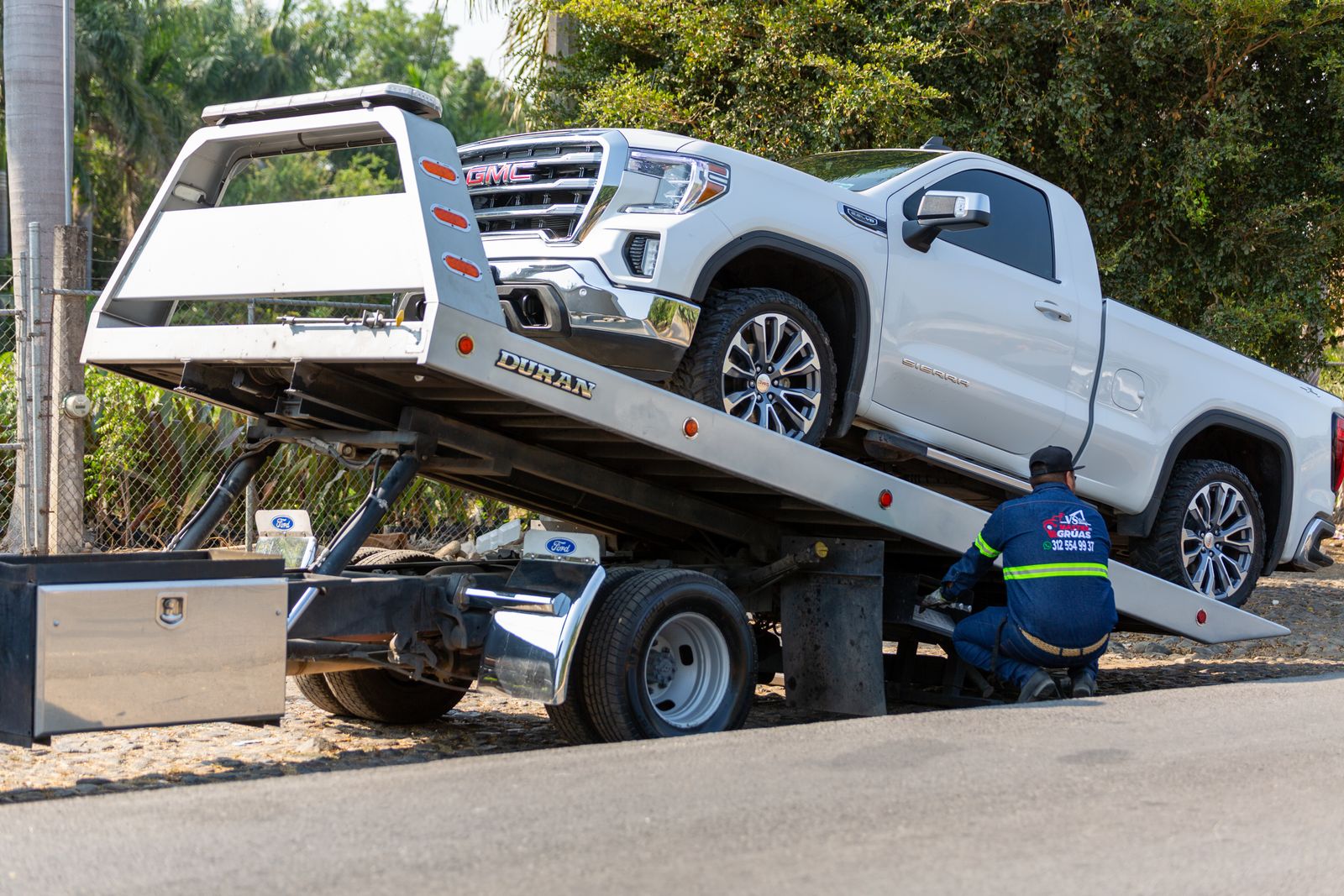
If the truck is a road tractor, the semi-truck shipping cost guide covers driveaway versus haul decisions in greater detail. If it carries unusually heavy fixed equipment, compare the route and loading questions in the heavy-equipment cost guide instead of assuming ordinary vehicle-carrier equipment will work.
Describe operability in transport terms
“Runs” does not tell a transporter enough. State whether the truck starts reliably, builds required air or hydraulic pressure, rolls, steers and brakes, and whether it can move under its own power from the parked position to the loading area. A damaged truck with locked brakes or steering problems may need recovery equipment at one or both ends. Ask who supplies that work and whether the quoted price includes it.
For a driveaway proposal, confirm roadworthiness and who accepts responsibility for driver arrangements, fuel, tolls, mileage and operating restrictions. For hauled service, confirm loading method, loaded dimensions and unloading access. Put the two methods on different worksheet rows rather than comparing only their headline totals.
Audit the quote against the two sites
Commercial trucks are frequently picked up from auctions, fleet yards, dealers or repair facilities with release rules and limited hours. Confirm keys, gate passes, appointments and the person authorized to release the vehicle. At delivery, verify that the site can receive the transport equipment and has whatever unloading capability the accepted method requires.
Ask how waiting, failed access, storage and redelivery are charged. A lower transport price can lose its advantage if the bidder assumed a wide open lot and the truck is actually inside a restricted yard. Send identical site information to every provider so the resulting quotes describe the same operation.
Turn the accepted quote into a custody record
Before release, photograph the truck, record mileage where relevant, inventory removable equipment and note existing damage. Keep the accepted configuration and any permit or route assumptions with that record. Identify who can authorize an added charge if the actual truck differs from the submitted specifications.
At delivery, reconcile the same inventory and condition record before closing the move. A useful truck shipping quote is not simply a low number; it is a traceable scope that identifies the exact commercial vehicle, the accepted method, the sites, the responsibility for exceptional handling and the terms that can still change the total.